Quick Facts
- Top Pick for Immunity: Red peppers represent the best choice for immune support due to containing the highest Vitamin A levels.
- Top Pick for Vitamin C: Surprisingly, yellow peppers take the lead, offering up to 184mg of vitamin C per 100 grams.
- Ripening Truth: All colors generally come from the same plant; green is the immature fruit, while red is the fully ripe version.
- Vitamin C Benchmark: A single red bell pepper provides approximately three times more Vitamin C than the average orange.
- Caloric Stability: These vegetables are low-energy-density foods, with a medium pepper typically ranging between 30 and 50 calories.
- Antioxidant Variety: Each color provides a unique phytonutrient profile, ranging from eye-protecting lutein in green peppers to heart-healthy lycopene in red ones.
While all bell peppers are healthy, red bell peppers are technically the most nutrient-dense because they are fully ripened. However, yellow bell peppers often boast higher Vitamin C levels. Understanding bell peppers nutrition requires looking at the ripening process of the Capsicum annuum plant.
The Ripening Journey: From Green to Red
When you walk through the produce aisle, you might think the different colors of peppers represent different species. In reality, most of what we see—the vibrant greens, sun-soaked yellows, and deep reds—are simply different stages of maturity of the same fruit. This journey, known as the ripening process, is the primary factor that dictates the flavor profile and the nutritional value of what ends up on your plate.
Most bell peppers begin their life as green. At this stage, they are technically immature. Because they have not yet fully developed their natural sugars, green bell peppers nutrition facts often highlight a more bitter, grassy taste. If left on the vine for an additional 30 to 45 days, the pepper undergoes a chemical transformation. The chlorophyll breaks down, and new pigments emerge. This is when we see the shift to yellow and orange, and eventually to a brilliant red.
As the pepper matures, the sweetness intensity increases significantly. The plant pumps more carbohydrates into the fruit, which convert into natural sugars. This is why a red pepper tastes like a treat when roasted, while a green pepper retains a savory, slightly acidic bite. Beyond taste, this extra time on the vine allows the vegetable to accumulate a higher concentration of protective compounds, making the older peppers more "expensive" to the plant’s energy resources, but far more beneficial to the human body.
Red vs. Yellow: The Nutritional Showdown
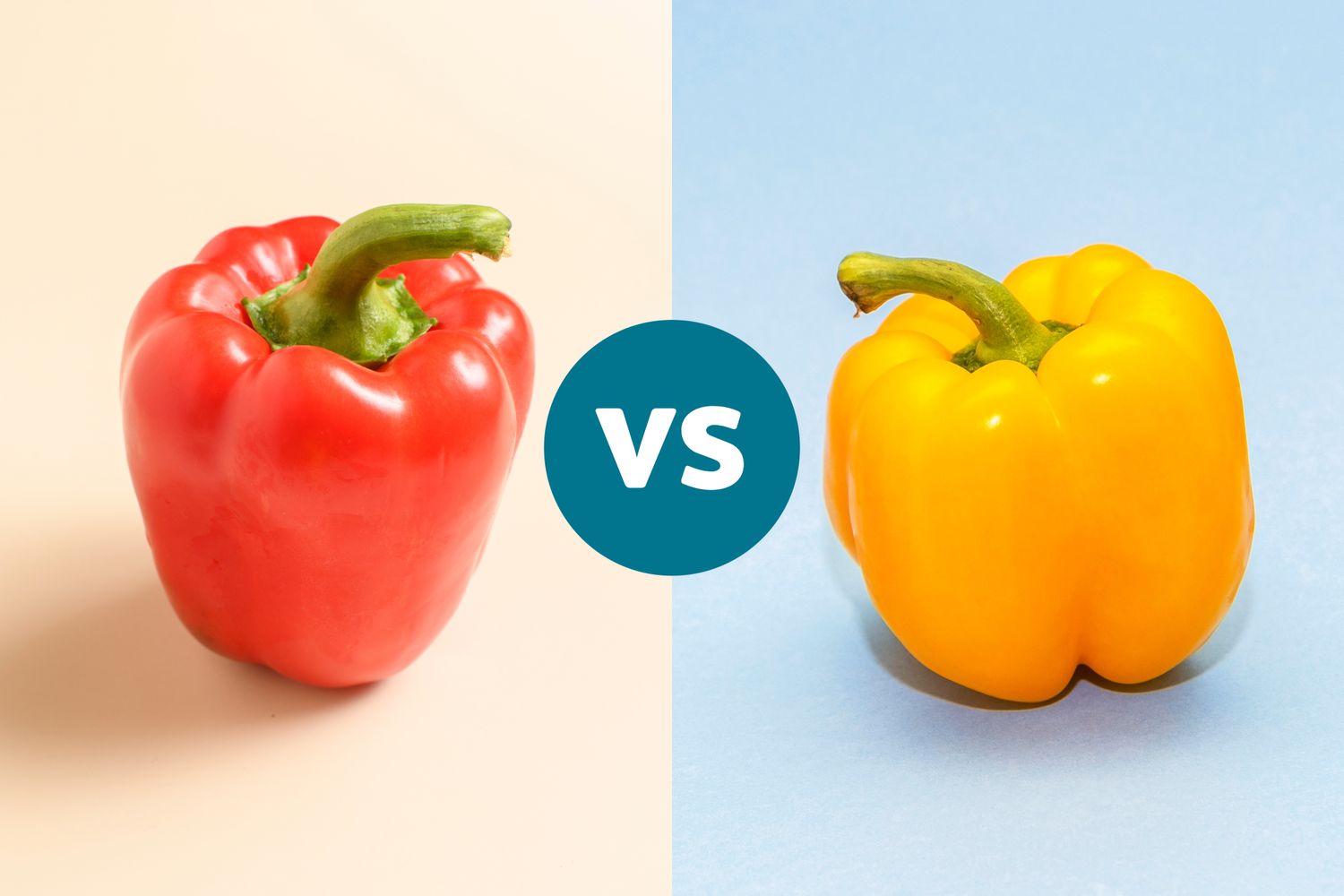
When comparing red vs. yellow, the choice often comes down to which specific health goal you are prioritizing. While both are superior to their green counterparts in terms of nutrient density, they each have a "specialty." To understand the difference between red yellow and green bell peppers nutrition, we have to look at the specific vitamins and minerals that peak at different ripening stages.
If your goal is to boost your Vitamin C intake, yellow bell peppers are the unexpected champion. According to data, yellow bell peppers contain approximately 184 milligrams of vitamin C per 100 grams, which is significantly higher than the 128 milligrams typically found in red bell peppers. Both of these figures dwarf the amount found in citrus fruits, making peppers an essential iron absorption aid. When you consume high-Vitamin C foods alongside plant-based iron sources (like spinach or beans), your body can absorb that iron much more efficiently.
On the other hand, red bell peppers nutrition facts show a clear victory in the category of Vitamin A and provitamin compounds. Red bell peppers are far richer in beta-carotene than yellow varieties, containing up to 11 times more of this provitamin A compound than green peppers. Yellow peppers, while healthy, contain negligible amounts of beta-carotene by comparison.
Nutritional Comparison Table
| Nutrient (per 100g) | Red Bell Pepper | Yellow Bell Pepper |
|---|---|---|
| Calories | ~37 kcal | ~50 kcal |
| Vitamin C | 128 mg | 184 mg |
| Vitamin A (Beta-carotene) | High (11x green) | Negligible |
| Primary Antioxidant | Lycopene & Capsanthin | Violaxanthin |
| Sweetness Level | Highest | Moderate-High |
The antioxidant profile of these vegetables is also color-coded. Red peppers get their hue from lycopene and capsanthin, which are associated with cardiovascular health and systemic inflammation reduction. Yellow peppers contain violaxanthin, a common carotenoid pigment that supports cellular health. Meanwhile, orange bell peppers nutrition facts sit comfortably in the middle, offering a balanced mix of both worlds.
Why Choice of Color Impacts Your Wallet
You may have noticed that green peppers are almost always the cheapest option at the grocery store, while red and yellow varieties can sometimes cost twice as much. This price discrepancy isn't arbitrary; it is rooted in the economics of farming and the extended ripening process.
Because red and yellow peppers must stay on the vine significantly longer than green ones, they require more resources to produce. Farmers must provide these plants with extra water, nutrients, and protection from pests for several additional weeks. During this time, the risk of crop loss increases; a sudden hailstorm, a pest outbreak, or rot can destroy a crop that was just days away from being a premium red harvest.
Market price factors also include the labor-intensive nature of harvesting. While green peppers can sometimes be harvested in bulk with less concern for delicate handling, fully ripe red and yellow peppers are softer and more prone to bruising during transport. Most high-quality colored peppers are hand-harvested to ensure they reach the consumer in peak condition. When you pay more for a red pepper, you are essentially paying for the extra time, water, and care it took to reach that level of nutrient density.
Culinary Truths: Which Should You Cook With?
As a nutrition editor, I am often asked if cooking these vegetables destroys their health benefits. The answer is a bit of a "yes and no." Vitamin C is heat-sensitive, meaning that boiling or over-exposure to high heat can degrade the yellow bell pepper nutrition you were hoping to gain. However, other compounds, like the beta-carotene found in red varieties, actually become more bioavailable to your body after being lightly cooked with a source of healthy fat.
Best Uses for Red Peppers
Due to their high sugar content and sweetness intensity, red peppers are the superstars of the grill. Roasting a red pepper caramelizes those natural sugars, creating a smoky, rich flavor that works perfectly in sauces, hummuses, or as a standalone side dish. Their lycopene content is stable during roasting, making them an excellent choice for cooked preparations.
Best Uses for Yellow Peppers
Yellow peppers have a crisp, fruity flavor that is slightly more delicate than red. They are excellent for stir-frying or sautéing where the cooking time is short, preserving that massive Vitamin C boost. Their bright color also stays vibrant during quick heat exposure, making them a favorite for adding visual appeal to salads and grain bowls. Raw yellow peppers provide a satisfying crunch that makes them one of the best choices for dipping into guacamole or yogurt-based dressings.
FAQ
Which color bell pepper is the healthiest?
Red bell peppers are generally considered the healthiest because they are the most mature and contain the highest overall concentrations of vitamins and antioxidants. They are specifically high in Vitamin A and beta-carotene. However, if your specific dietary goal is to maximize Vitamin C intake, the yellow bell pepper is technically superior in that single category.
What are the health benefits of bell peppers?
Bell peppers nutrition benefits include improved eye health due to high carotenoid levels, enhanced immune function from record-breaking Vitamin C, and better skin health through the support of collagen production. They also act as a significant iron absorption aid, helping your body utilize iron from plant-based sources more effectively.
Are bell peppers okay to eat every day?
Yes, bell peppers are excellent for daily consumption. They are low in calories and high in water content, making them a hydrating and nutrient-dense addition to almost any diet. Because they are part of the nightshade family, a very small percentage of the population may experience sensitivity, but for most people, they are a foundational vegetable for health.
Is eating a whole bell pepper a day good for you?
Eating a whole bell pepper daily is a fantastic way to meet and exceed your daily requirements for Vitamin C and Vitamin A. Since a single pepper can provide over 200% of your daily Vitamin C needs, it is one of the most efficient ways to support your immune system and skin health without adding significant calories to your day.
What is the no. 1 healthiest vegetable?
While nutritionists argue there is no single "magic" vegetable, bell peppers frequently rank in the top tier because of their density of Vitamin C and antioxidants. Other top contenders include leafy greens like kale and spinach for their Vitamin K, and cruciferous vegetables like broccoli for their cancer-fighting compounds. The best approach is always to eat a rainbow of colors to ensure you get a full spectrum of phytonutrients.
In the end, the truth about bell peppers nutrition is that you cannot go wrong with any color. While the ripening process gives the red and yellow varieties a slight edge in vitamin counts and sweetness intensity, the best pepper is the one you enjoy eating most. Try to include a variety of colors in your weekly meal plan to take advantage of the unique antioxidant profile each one offers.