Imagine your morning bowl of oatmeal as a blank metabolic canvas. On its own, a bowl of plain oats is a respectable source of complex carbohydrates and beta-glucan fiber. However, without the right biological "anchors," those carbohydrates can be digested too quickly, leading to a mid-morning energy crash that leaves you reaching for a second cup of coffee or a sugary snack. To transform a simple bowl into a high-performance fuel source, we must look toward the "Satiety Trifecta": the strategic combination of protein, healthy fats, and supplemental fiber.
The best oatmeal toppings for sustained energy are those that slow down glycemic response and keep you feeling full for hours. These include high-protein add-ins like almond butter and Greek yogurt, fiber-dense choices like chia seeds and raspberries, and brain-healthy fats from walnuts. By curating your bowl with these nutrient-dense ingredients, you aren't just eating breakfast; you’re engineering your energy levels for the day ahead.
1. The Protein Powerhouses: Building Muscle & Satiety
Protein is the most satiating macronutrient, yet it is often the missing piece in a traditional oatmeal breakfast. When we add protein to oats, we stimulate the release of satiety hormones like CCK and GLP-1, which signal to our brain that we are full. Furthermore, protein provides the amino acids necessary for muscle repair and metabolic health.
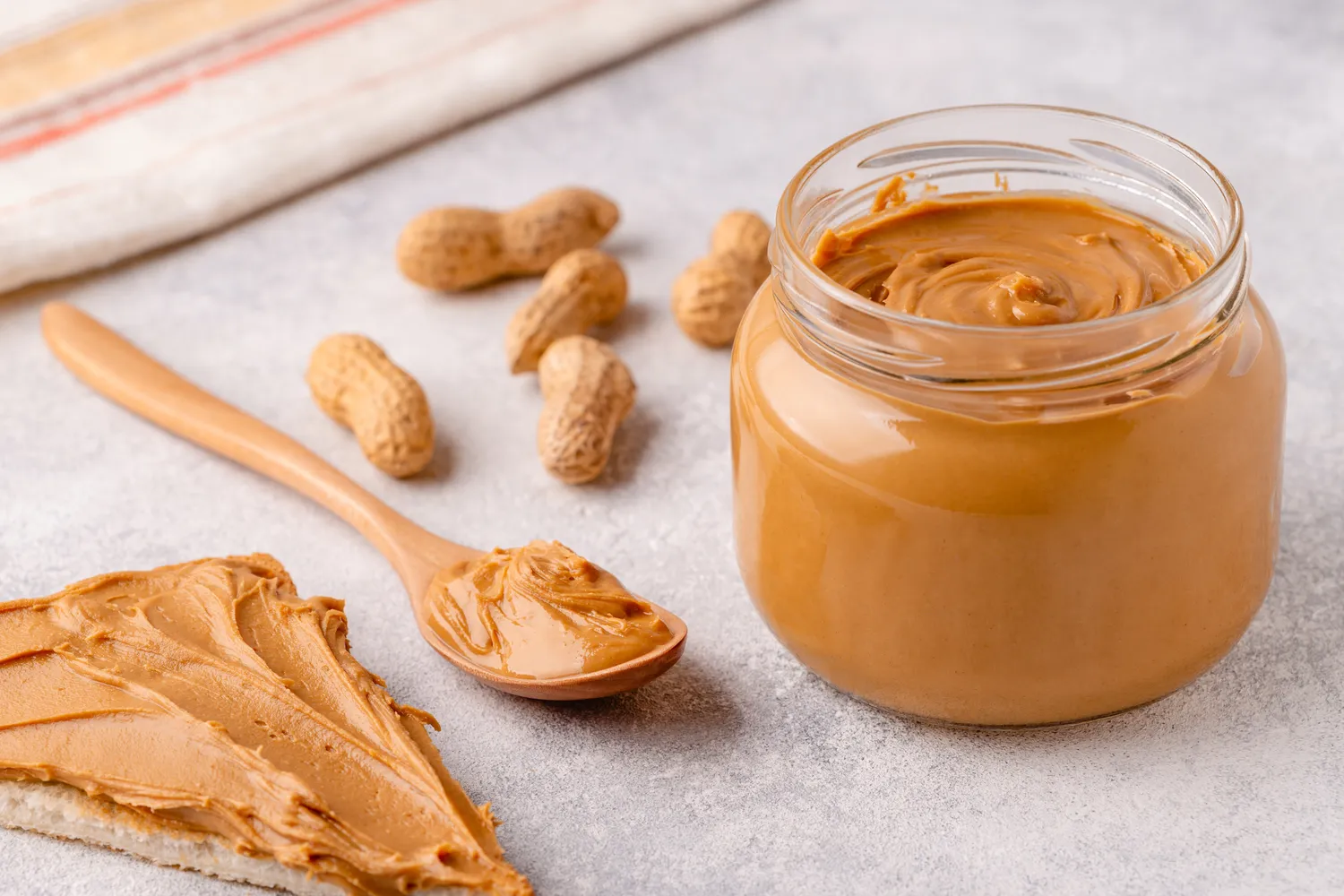
Natural Nut Butters (Peanut, Almond, Cashew) Nut butters are perhaps the most popular way to "upgrade" a bowl of oats, and for good reason. They provide a rich, creamy texture and a dose of monounsaturated fats. From a nutritional standpoint, the numbers are compelling. Adding just one tablespoon of natural peanut butter to your oatmeal provides approximately 3.84 grams of protein, essential healthy fats, and a suite of antioxidants like Vitamin E.
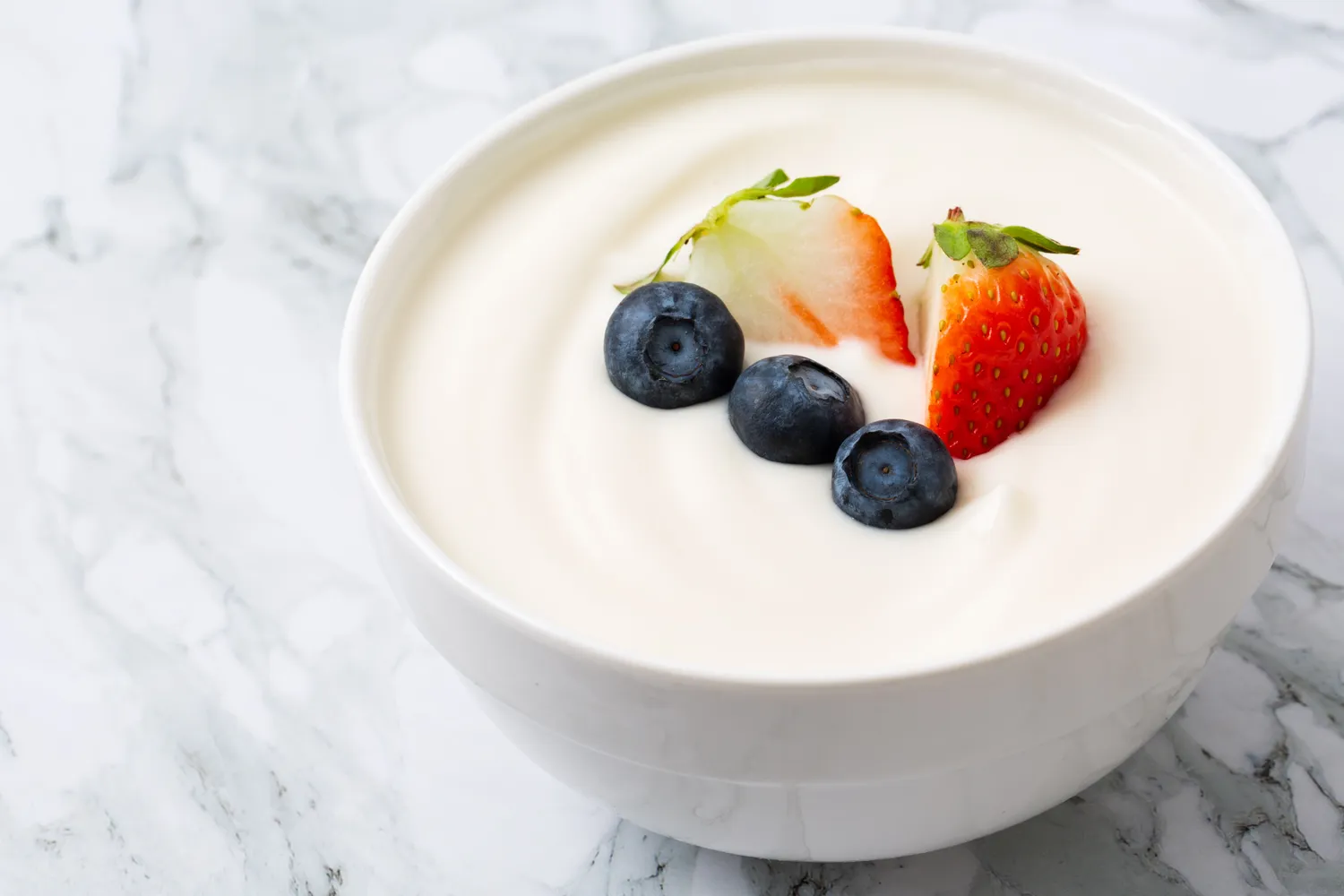
Greek Yogurt If you find your oatmeal too dry or "starchy," Greek yogurt is the ultimate corrective topping. It introduces a pleasant tang and a significant boost of probiotics, which support gut health. By stirring in just two tablespoons of plain, non-fat Greek yogurt, you add a substantial 10g of protein per 100g serving. This addition changes the viscosity of the oats, making them feel more like a decadent pudding while keeping your blood sugar stable.
Protein Powder For those with high activity levels, stirring in a scoop of high-quality whey or plant-based protein powder can easily push your breakfast to 20g or 30g of protein. The "pro-tip" here is timing: wait until the oats are finished cooking and have cooled slightly before whisking in the powder to avoid a grainy or clumpy texture.
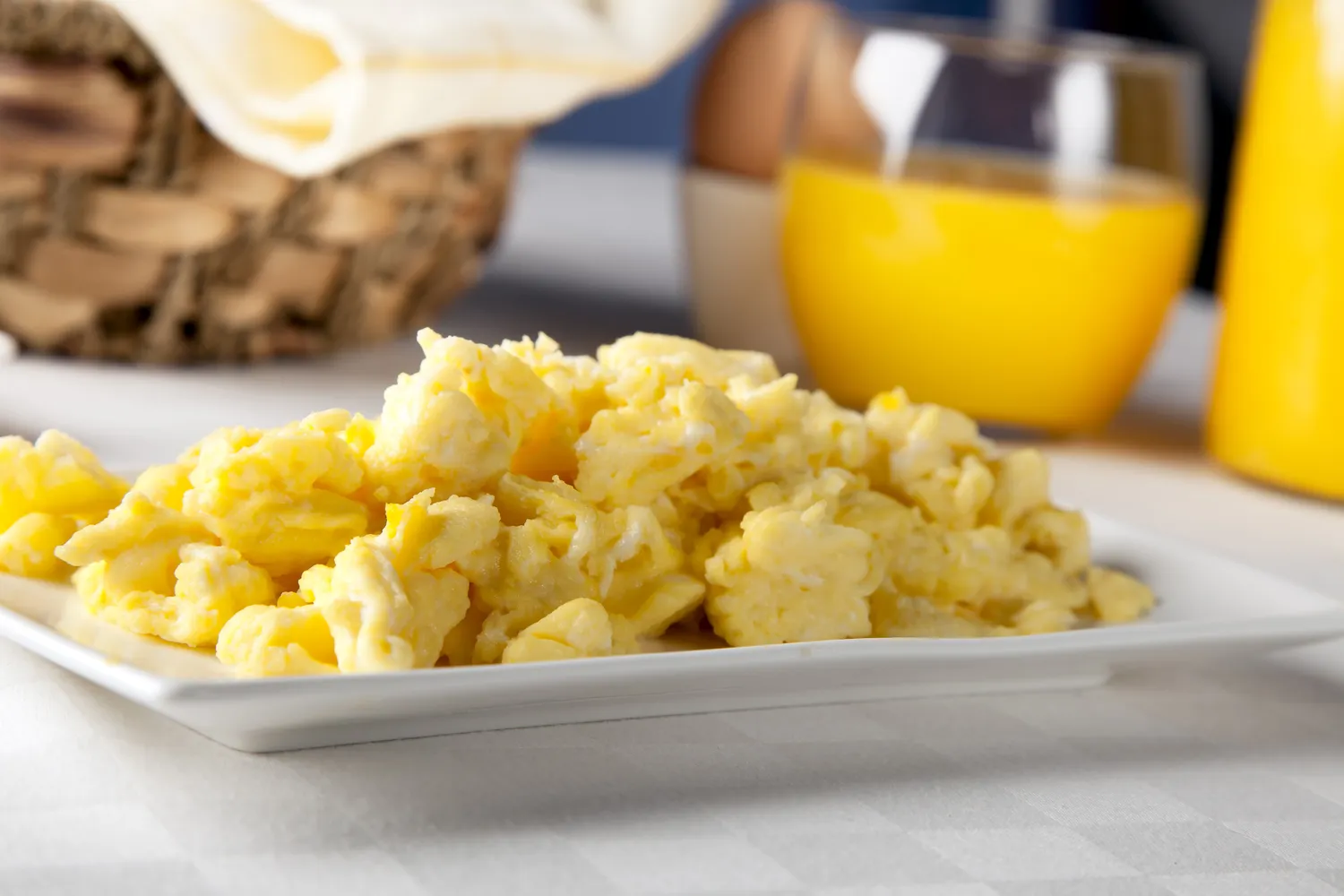
The Savory Twist: Eggs While most people view oatmeal through a sweet lens, savory oats are a nutritional goldmine. Whisking egg whites into the oats during the last two minutes of cooking creates a fluffy, "soufflé-like" texture without changing the flavor. Alternatively, topping your bowl with a soft-poached egg provides a complete amino acid profile and choline, a nutrient essential for brain function.
Emily’s Insight: When choosing nut butters, always look at the ingredient label. The only ingredients should be the nut itself and perhaps a pinch of salt. Avoid brands that add palm oil or cane sugar, as these negate the anti-inflammatory benefits of the fats.
2. High-Fiber Fruit Add-ins: The Slow-Release Energy Sources
Fiber is the "secret weapon" of long-lasting energy. It acts as a physical barrier in the digestive tract, slowing the breakdown of carbohydrates into glucose. This results in a steady, slow release of energy rather than a sharp spike and fall.
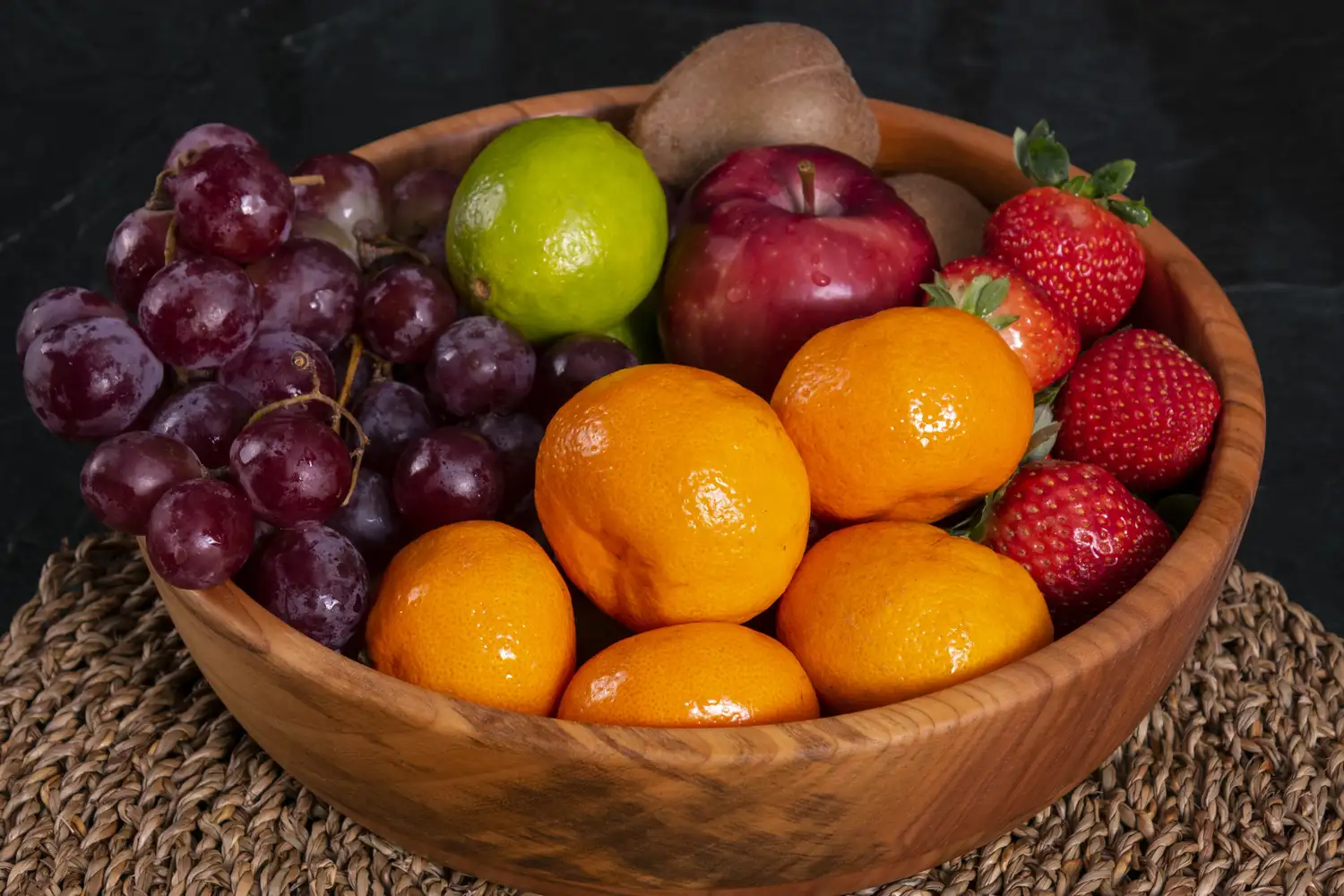
Berries (Blueberries & Raspberries) Berries are low in sugar but exceptionally high in fiber and polyphenols. Raspberries are a standout in this category, offering about 6.5g of fiber per 100g. These antioxidants help combat oxidative stress, making them an excellent choice for an "anti-aging" breakfast.
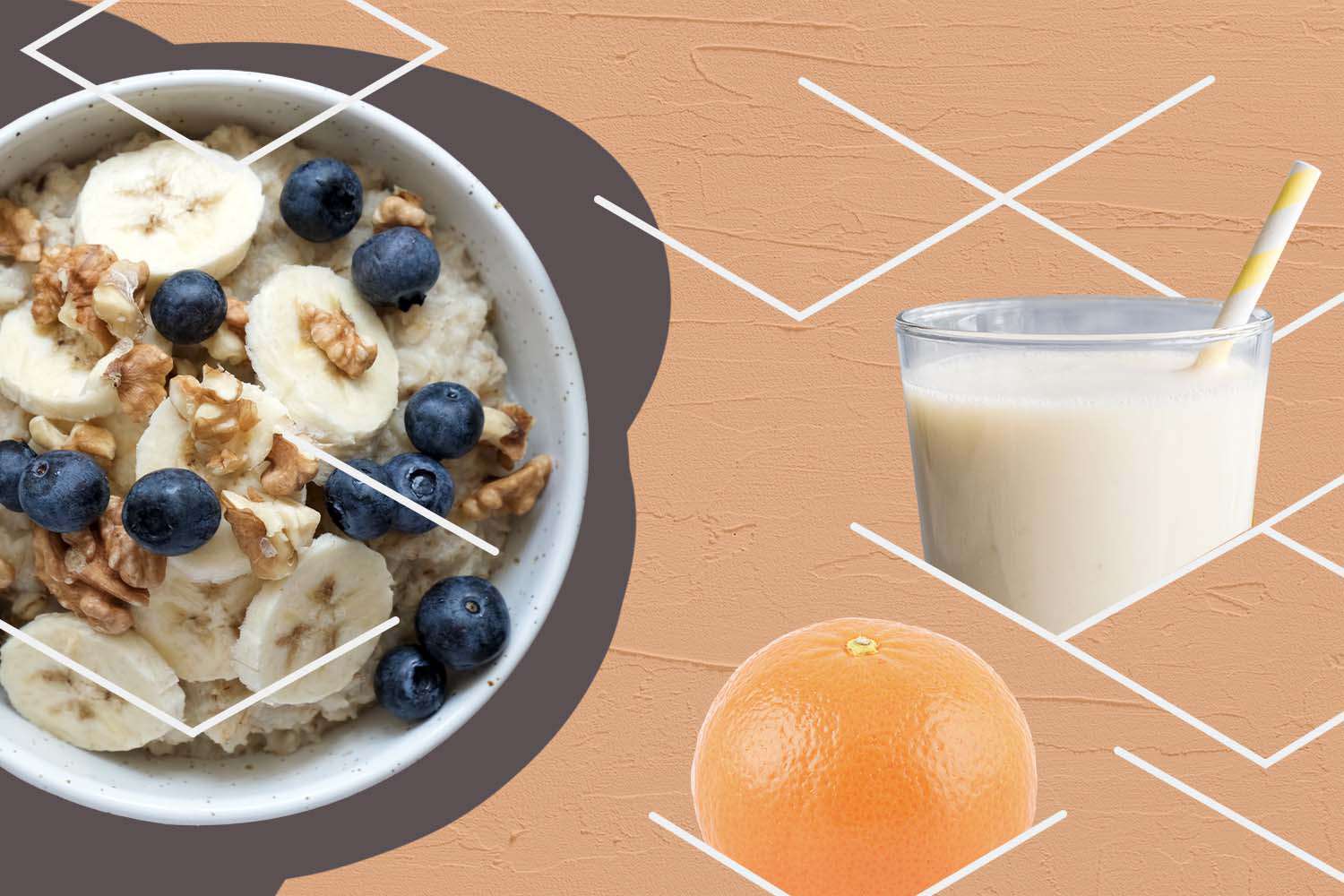
Banana Slices The humble banana is an oatmeal staple, but its nutritional value is often underestimated. One medium banana (approximately 115g) provides 5.31 grams of dietary fiber. When paired with whole-grain oats, this single fruit represents roughly 20% of the daily recommended fiber intake. Bananas are also rich in potassium, which is vital for heart health and muscle contraction.
Diced Apples & Pears To maximize the benefits of apples and pears, keep the skin on. The skin contains pectin, a type of soluble fiber that has been shown to lower cholesterol levels and improve digestive regularity. The crunch of a fresh apple also provides a satisfying sensory contrast to the softness of the oats.
3. Superfood Seeds & Healthy Fats: The Longevity Boosters
Healthy fats are essential for absorbing fat-soluble vitamins (A, D, E, and K) and for maintaining the health of our cell membranes. Adding seeds to your oatmeal is an effortless way to sneak in Omega-3 fatty acids and minerals.
- Chia Seeds: These tiny seeds are nutritional giants. Because they are highly hydrophilic, chia seeds swell in the stomach by absorbing up to 10 times their weight in liquid. This creates a feeling of prolonged fullness. Just one tablespoon provides 5g of fiber.
- Ground Flaxseeds: Flaxseeds are one of the richest plant-based sources of Alpha-linolenic acid (ALA), an Omega-3 fatty acid. Always use ground flaxseeds, as the whole seeds often pass through the digestive system undigested.
- Hemp Hearts: If you want a nutty flavor with a protein punch, hemp hearts are the answer. They are a "complete" plant protein, meaning they contain all nine essential amino acids.
4. Texture & Flavor Enhancers: The Finishing Touches
A truly great breakfast satisfies both your biology and your palate. Texture is a key component of satiety; the more we have to chew our food, the more our brain registers that we are eating, which can prevent overeating later in the day.
Raw or Toasted Nuts (Walnuts & Pecans) Walnuts are uniquely rich in Omega-3s and have been linked in numerous studies to improved cognitive function. Adding a handful of toasted walnuts adds a sophisticated "earthy" crunch that grounds the sweetness of the fruit.
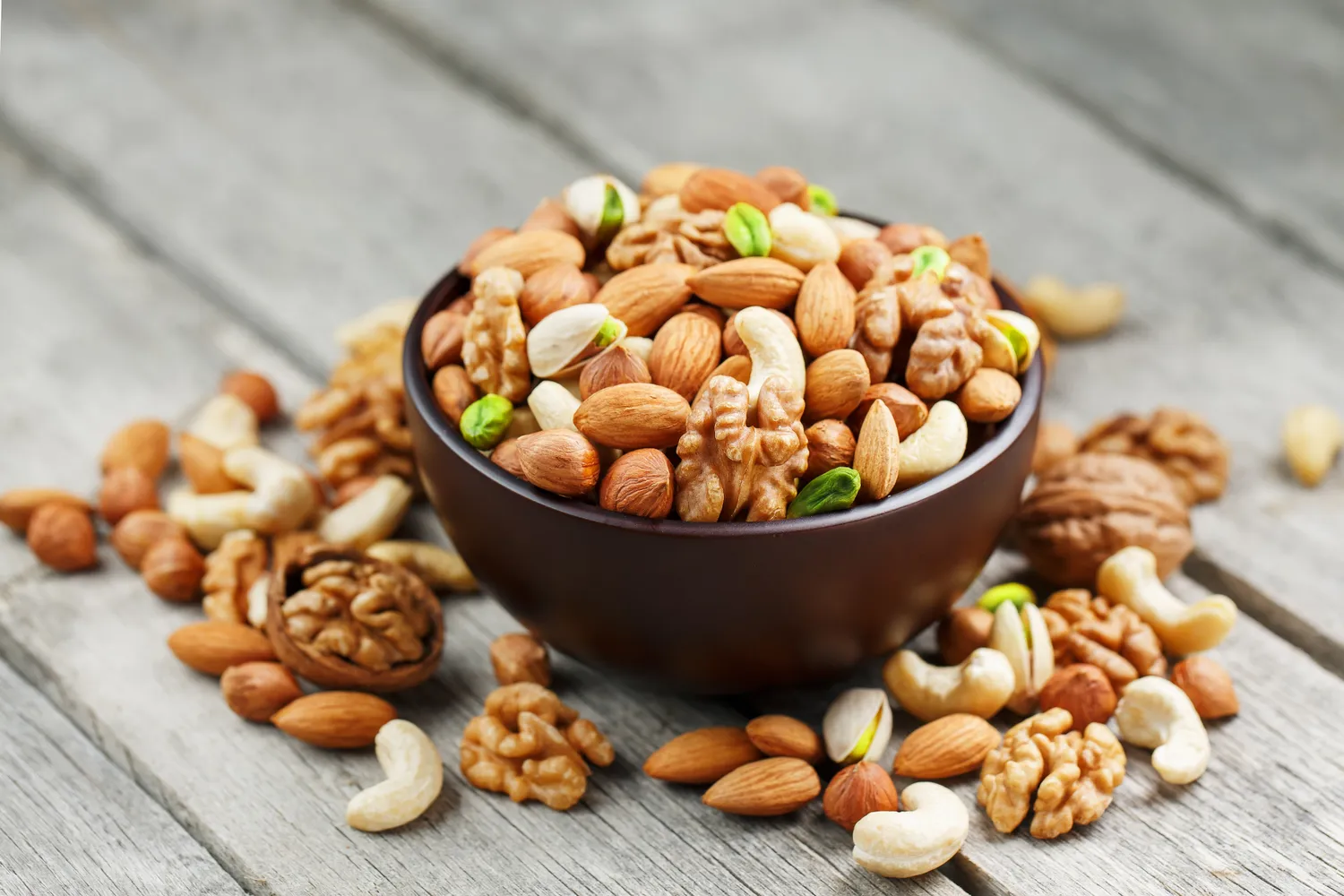
Cacao Nibs For the chocolate lover, cacao nibs provide the deep, rich flavor of dark chocolate without the added sugar. They are packed with magnesium and flavonoids, providing a subtle mood boost alongside your morning meal.
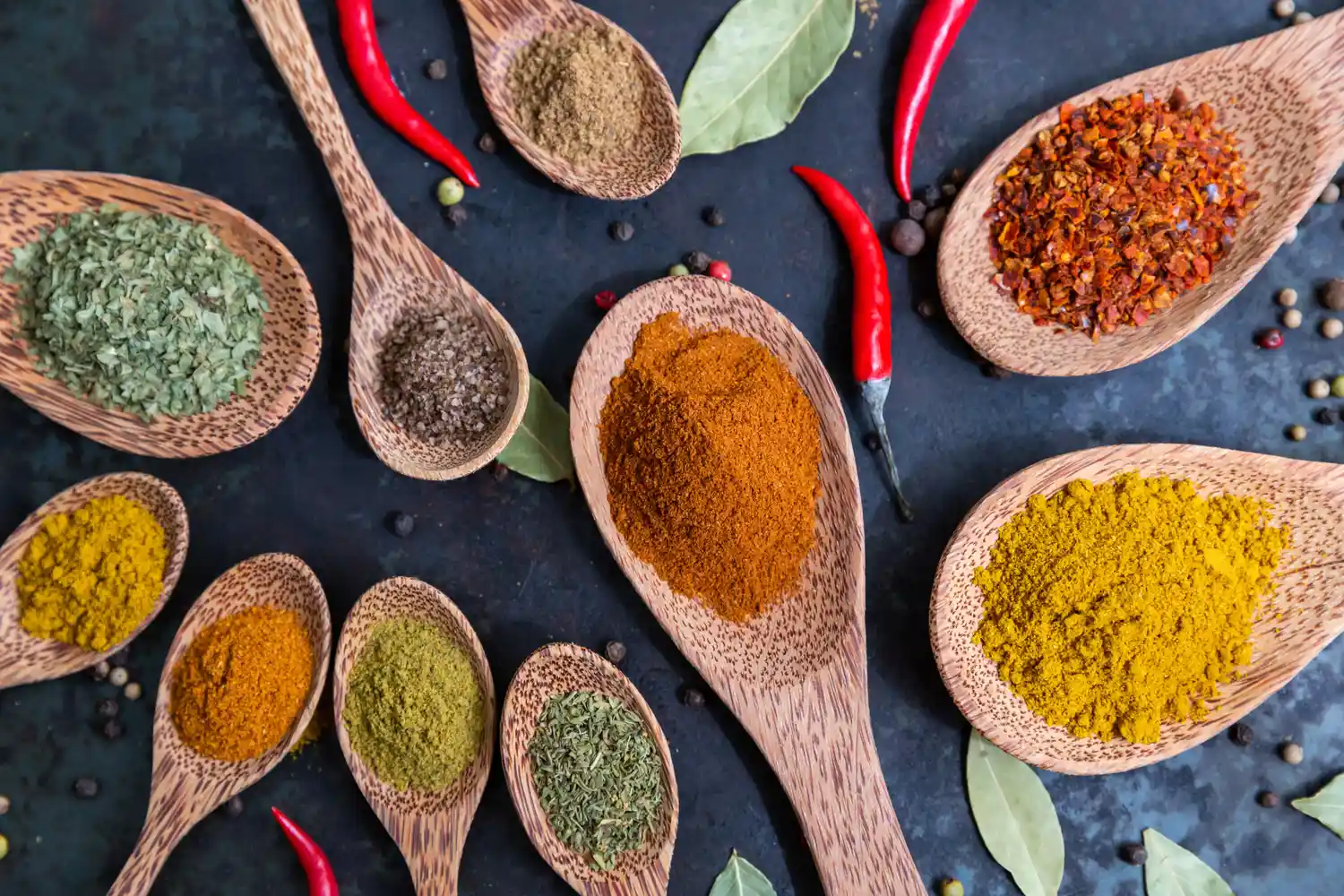
Warming Spices Spices are the "free" nutrients of the oatmeal world—adding flavor and health benefits with zero calories. Cinnamon, in particular, is an editor favorite because it has been shown to help regulate blood sugar levels by improving insulin sensitivity.
Nutritional Comparison: The "Big Three" Toppings
To help you build your ideal bowl, here is a breakdown of how these top-tier ingredients contribute to your daily goals:
| Topping (1 tbsp) | Protein (g) | Fiber (g) | Healthy Fats (g) | Best For: |
|---|---|---|---|---|
| Peanut Butter | 3.84g | 1.0g | 8.0g | Sustained Fullness |
| Chia Seeds | 2.0g | 5.0g | 4.0g | Hydration & Digestion |
| Walnuts | 2.2g | 1.0g | 9.0g | Brain Health |
| Hemp Hearts | 3.0g | 0.4g | 4.5g | Plant-Based Protein |
| Greek Yogurt | 2.0g* | 0g | 0.1g | Creamy Texture |
*Note: Greek yogurt values vary by brand; based on 2 tbsp serving.
5. Winning Combinations for Meal Prep
If you find yourself staring at a cabinet full of jars every morning, use these three tried-and-tested combinations to streamline your routine. Each is designed to balance the "Satiety Trifecta."
The 'Pro-Energy' Bowl
- Base: Steel-cut oats.
- Toppings: 1 tbsp Almond butter + 1/2 sliced Banana + 1 tsp Chia seeds.
- Why it works: The almond butter and chia seeds slow down the digestion of the banana’s natural sugars, providing a 4-hour energy window.
The 'Berry-High' Protein Bowl
- Base: Rolled oats.
- Toppings: 2 tbsp Greek yogurt + 1/2 cup Raspberries + 1 tbsp Hemp hearts.
- Why it works: This is a fiber powerhouse. The combination of raspberries and hemp hearts provides nearly 10g of fiber before you even count the oats.
The 'Savory Starter'
- Base: Oats cooked in vegetable broth.
- Toppings: 1 Poached egg + Sautéed spinach + 1 tbsp Toasted pumpkin seeds.
- Why it works: For those who prefer a non-sweet start, this bowl provides complete amino acids and a significant dose of iron and magnesium.
Summary: Designing Your Morning Blueprint
The key to a high-energy day isn't just about eating breakfast; it’s about managing your blood sugar through smart topping choices. By adding one item from the protein category, one from the fiber category, and one healthy fat, you transform oatmeal from a simple grain into a comprehensive meal. Start experimenting with textures—the crunch of a walnut against the creaminess of Greek yogurt—and you'll find that healthy eating is as much about culinary enjoyment as it is about nutritional science.
FAQ
What is the best type of oats for energy: Steel-cut or Rolled? From a glycemic perspective, steel-cut oats are the winner. They are the least processed, meaning they take longer for your body to break down, leading to a flatter blood sugar curve. However, rolled oats are also an excellent choice if you ensure you’re adding protein and fats to slow their digestion. Avoid "instant" packets, which often contain added sugars and have a higher glycemic index.
Can I prepare these toppings in advance? Absolutely. In fact, many toppings benefit from "overnight" preparation. You can mix chia seeds and flaxseeds directly into your dry oats in a mason jar. Nuts can be pre-toasted in large batches and stored in an airtight container for up to two weeks to maintain their crunch.
How can I avoid 'sugar crashes' after eating oatmeal? The crash occurs when you eat too many "naked" carbohydrates. To prevent this, never eat your oats plain. Always include a source of fat (like nuts or seeds) and a source of protein (like Greek yogurt or nut butter). This "buffering" effect is the most effective way to ensure your energy remains stable until lunch.