Finding out you’re pregnant is a whirlwind of emotions—joy, excitement, and, quite often, a sudden, overwhelming sense of responsibility. Suddenly, every bite you take feels like it carries more weight. But let’s be honest: the first trimester is rarely the "glowy" experience the movies promise. For many of us, it’s a season of bone-deep fatigue, a heightened sense of smell that makes the fridge feel like a minefield, and the persistent, uninvited guest known as morning sickness.
If you’re currently surviving on saltines and ginger ale, please know that you are doing a great job. One of the biggest myths we need to debunk right away is the idea of "eating for two." In reality, your calorie needs don't actually increase in the first trimester. Instead, the focus shifts entirely to nutrient density. Your body is performing the miraculous task of building a life from scratch—forming a neural tube, a tiny beating heart, and an intricate circulatory system. While your appetite might be small, the nutritional requirements are significant. This guide is designed to help you navigate those requirements with empathy, providing science-backed recipes that are gentle on your stomach but powerful for your baby’s development.
Core Nutrients Your Baby Needs Now
During these first 12 weeks, the focus isn't on the quantity of food, but the specific micronutrients that act as building blocks for fetal development. While a high-quality prenatal vitamin is a non-negotiable insurance policy, getting these nutrients from whole food sources ensures better absorption and provides the fiber and protein your body needs to maintain its own energy levels.
The following table breaks down the four "heavy hitters" of first-trimester nutrition:
| Nutrient | Why It Matters Now | Recommended Daily Intake | Best Food Sources |
|---|---|---|---|
| Folate (B9) | Prevents neural tube defects and supports DNA synthesis. | 400–800 mcg | Spinach, kale, lentils, fortified cereals, asparagus. |
| Iron | Supports a 50% increase in blood volume and oxygen delivery to the fetus. | 27 mg | Lean beef, lentils, spinach, fortified grains, tofu. |
| Choline | Vital for fetal brain development and spinal cord structure. | 450 mg | Eggs (specifically the yolk), salmon, chicken breast, broccoli. |
| Vitamin D | Works with calcium to build baby's bones and supports immune health. | 600 IU | Fortified dairy/plant milks, fatty fish, egg yolks. |
Studies show that while the body produces a small amount of choline, pregnant women require a daily dietary intake of 450mg to support the rapid brain development occurring in the early stages. Interestingly, choline is often absent or under-dosed in many standard prenatal vitamins, making it even more important to include choline-rich foods like eggs and salmon in your weekly rotation.

Managing Morning Sickness: The 'Gentle' Food Strategy
If the thought of a kale salad makes you wince, you aren’t failing—you’re experiencing a biological safeguard. Many experts believe pregnancy aversions are the body’s way of protecting the fetus from potentially harmful bacteria or strong flavors. When nausea strikes, the goal isn't culinary perfection; it's stability.
The most effective strategy I recommend to my readers is eating small, frequent meals every 1–2 hours. An empty stomach is often a nauseous stomach because stomach acid has nothing to work on, and blood sugar dips can trigger waves of dizziness.
I suggest the "BRAT-plus" strategy. You’ve likely heard of Bananas, Rice, Applesauce, and Toast, but we want to add "G" for Ginger and "P" for Protein. Ginger contains gingerols, which have been scientifically proven to soothe the digestive tract. Protein, even in small amounts, helps stabilize blood sugar longer than carbohydrates alone. Keep a box of simple crackers by your bedside; eating two or three before you even sit up in the morning can neutralize stomach acid and make the transition to breakfast much smoother.
Sophie’s Pro-Tip: If your prenatal vitamin makes you feel sick, try taking it at night with a small snack right before bed. This allows you to sleep through the peak "vitamin queasiness" that many women experience on an empty morning stomach.
7 Nutrient-Dense Recipes for a Strong Start
These recipes are designed to be "safe." They focus on mild flavors, easy digestion, and a high concentration of the core nutrients mentioned above.
1. The 'Brain-Boost' Scrambled Eggs
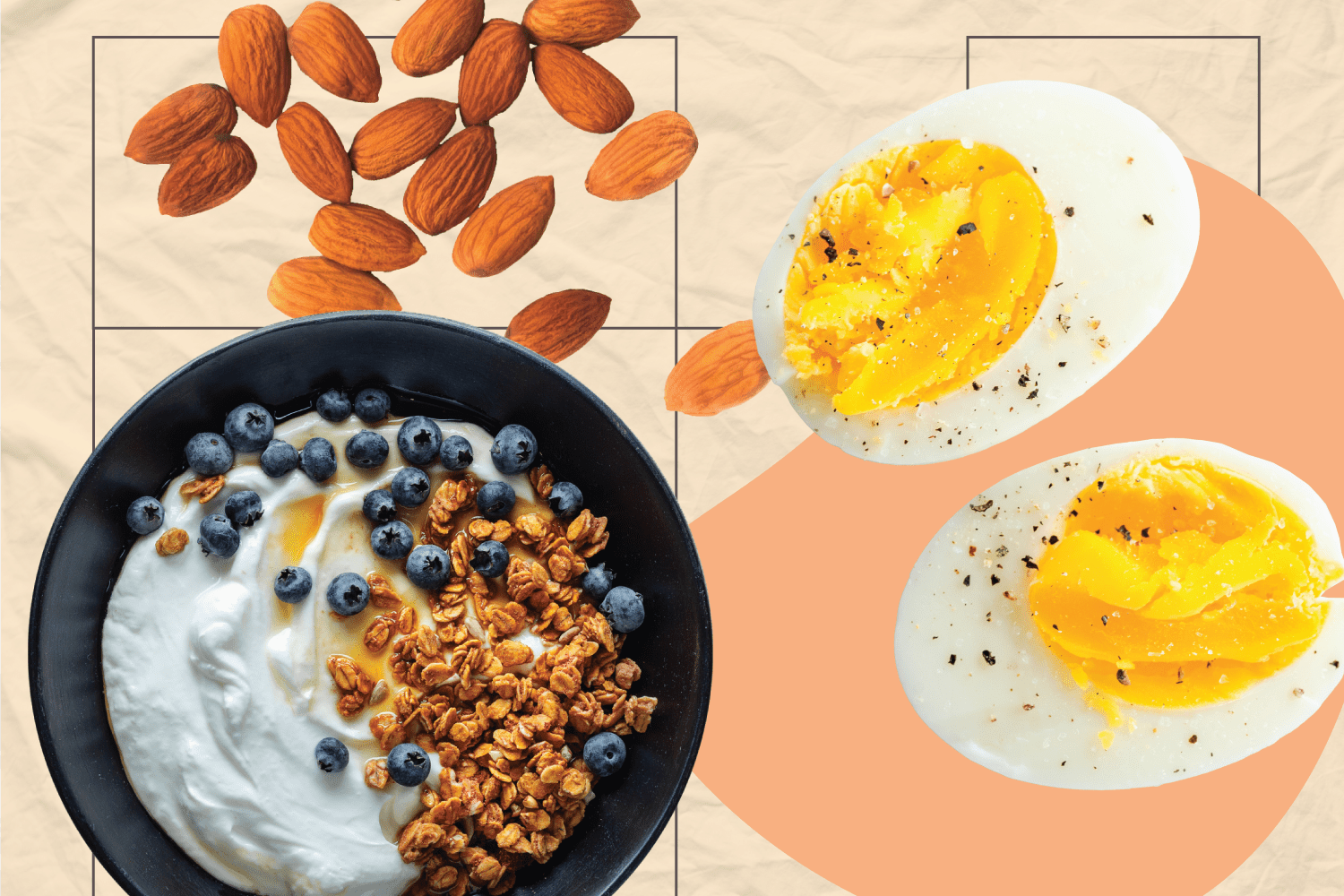
This is the ultimate first-trimester breakfast. Eggs are the single best source of choline, providing about 150mg per large egg. By wilting a handful of spinach into the eggs, you add a punch of folate without the bitterness of a raw salad.
- Key Ingredients: 2 large eggs, a handful of baby spinach, a sprinkle of mild cheddar cheese, and a slice of whole-grain toast.
- Why it works: The protein and healthy fats in the eggs keep you full, while the complex carbs in the toast provide steady energy.
2. Ginger-Lemon Hydration Smoothie
When solids feel impossible, liquids are your best friend. This smoothie is specifically formulated to fight nausea while providing the calcium you and your baby need.
- Key Ingredients: 1 cup Greek yogurt, 1 frozen banana, 1/2 inch fresh ginger (grated), a squeeze of lemon, and a splash of coconut water.
- Why it works: Greek yogurt is high in protein and calcium. The ginger and lemon act as natural anti-emetics to settle the stomach.
3. Iron-Rich Quinoa and Black Bean Bowl
Iron deficiency is common in pregnancy, leading to that "hit by a truck" exhaustion. This plant-based bowl is easy to meal prep and gentle on the palate.
- Key Ingredients: Cooked quinoa, canned black beans (rinsed), and diced red peppers.
- Why it works: Quinoa is a complete protein, and black beans are loaded with iron. The Vitamin C in the red peppers is crucial because it significantly increases the absorption of non-heme (plant-based) iron.
4. Baked Salmon with Sweet Potato Fries
Salmon is a powerhouse for DHA and Omega-3 fatty acids, which are essential for baby’s eye and brain development. Pairing it with sweet potatoes provides a soothing, starchy base that is usually well-tolerated.
- Key Ingredients: Salmon fillet (low-mercury), sweet potatoes, and olive oil.
- Why it works: Sweet potatoes are rich in Vitamin B6, which many OB-GYNs recommend as a first-line defense against pregnancy-induced nausea.
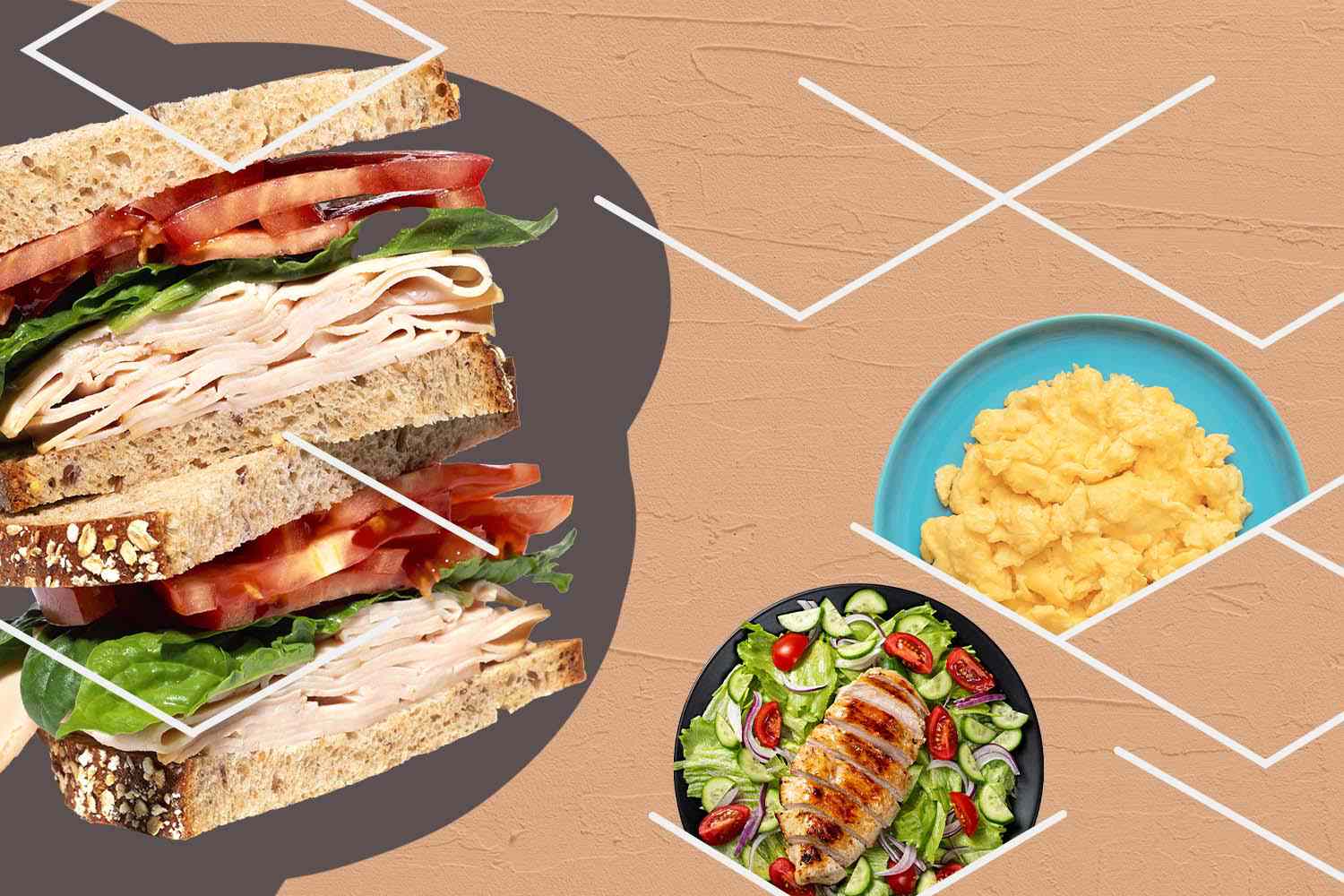
5. Creamy Avocado & Turkey Whole Grain Wrap
Sometimes you just need a sandwich. This wrap is high in healthy fats and folate. Note: Always ensure your deli turkey is heated until steaming to eliminate the risk of Listeria.
- Key Ingredients: Whole-wheat tortilla, heated turkey breast, half an avocado, and a thin layer of cream cheese or hummus.
- Why it works: Avocado provides healthy monounsaturated fats that support the growth of the placenta. The whole-wheat wrap adds much-needed fiber to help with the "sluggish" digestion that often accompanies early pregnancy.
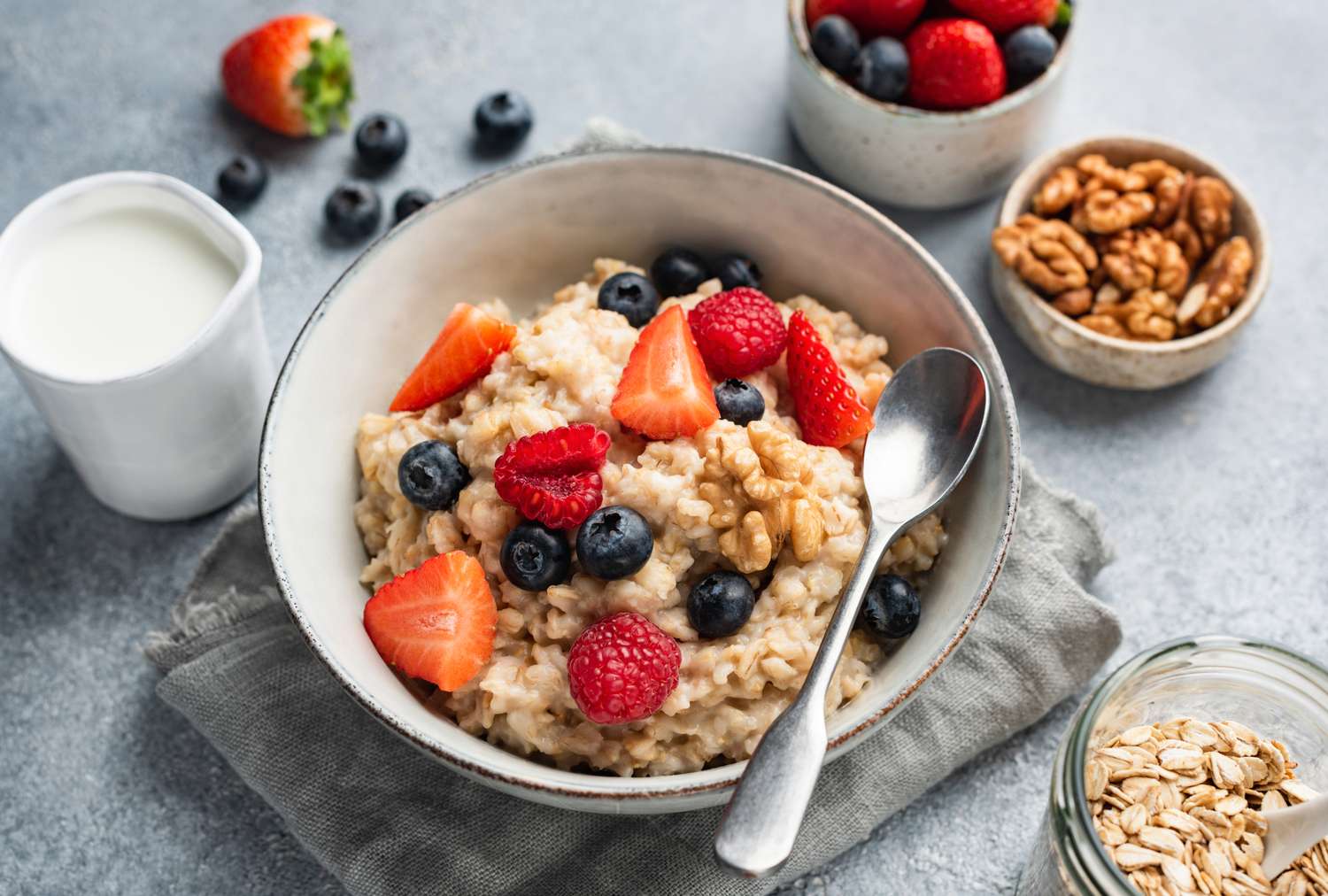
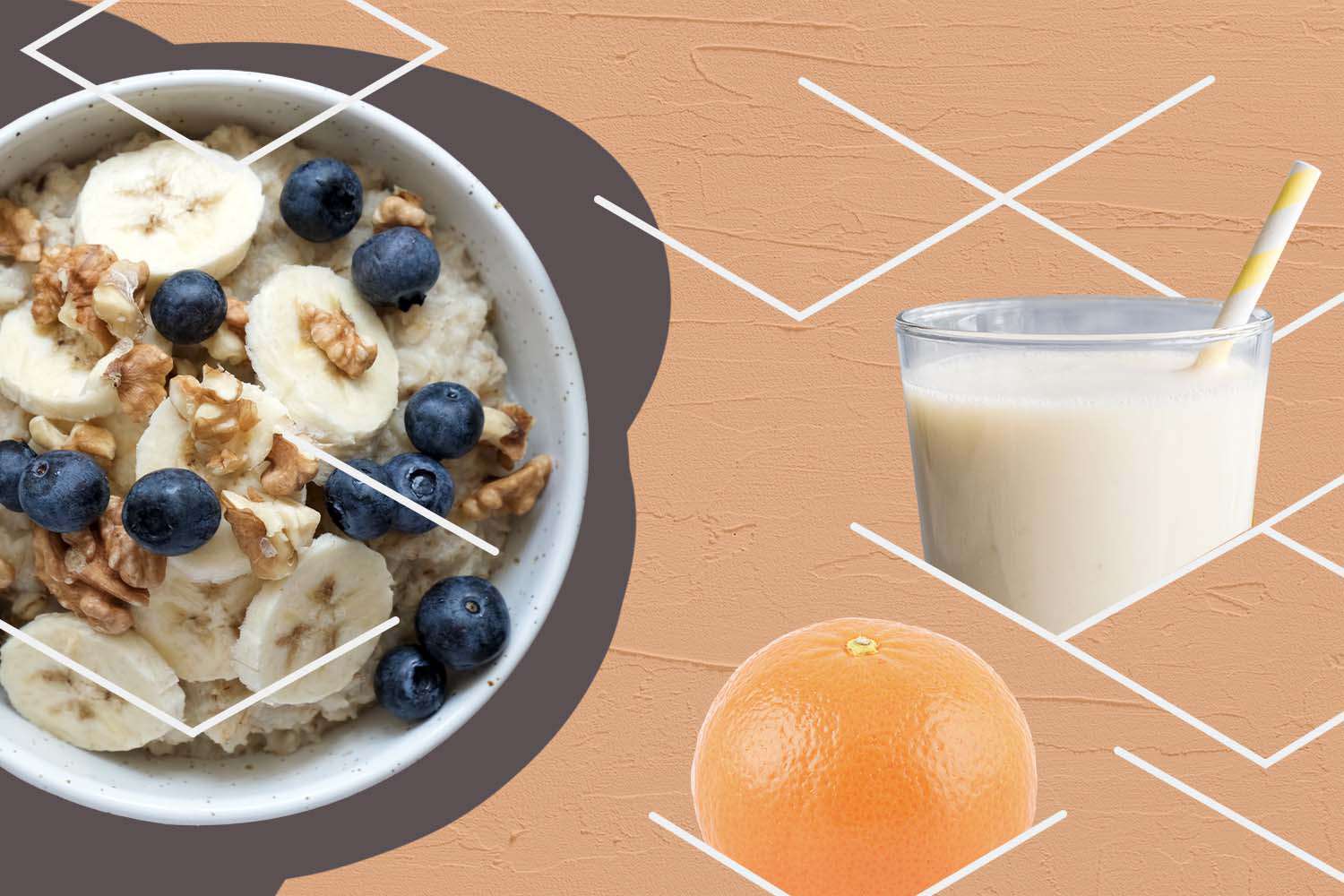
6. Folate-Packed Berry & Nut Oatmeal
Oats are incredibly grounding and easy on a sensitive stomach. They are also a great vehicle for extra nutrients.
- Key Ingredients: Steel-cut oats, walnuts, and a mix of fortified berries (blueberries or strawberries).
- Why it works: Walnuts are another great source of plant-based Omega-3s. Berries provide antioxidants and additional folate.
7. Gentle Lentil & Vegetable Soup
If the smell of cooking meat is a trigger for you, lentil soup is the perfect alternative. It’s a "one-pot" wonder that covers almost all your nutritional bases.
- Key Ingredients: Brown lentils, carrots, celery, and a mild vegetable broth.
- Why it works: Lentils are one of the most folate-dense foods on the planet. This soup is easy to digest and stays well in the fridge, making it a perfect "low-effort" lunch for days when fatigue hits hard.
Pro-Tips for Early Pregnancy Meal Prep
Beyond the recipes, there are a few "hidden" nutritional rules that can make a massive difference in your health and your baby's development.
The 'Milk Shake' Rule: If you prefer plant-based milks like rice or oat milk, you must shake the carton vigorously before every pour. Peer-reviewed studies indicate that calcium and other minerals added to these milks often settle at the bottom of the container. Unshaken samples can contain up to 97% less calcium than well-mixed samples. To protect your bone density and baby's skeletal growth, give it a good shake!
Fish Safety and Mercury While DHA is vital, mercury is a neurotoxin to avoid. Stick to "best choice" seafood like salmon, skipjack tuna (avoid albacore/white tuna when possible), shrimp, and sardines. Avoid high-mercury fish like King Mackerel, Tilefish, and Shark.
Prioritize Hydration Your blood volume is expanding rapidly, and dehydration can actually make morning sickness worse. If plain water tastes "metallic" (a common early pregnancy symptom called dysgeusia), try adding cucumber slices, mint, or a splash of cranberry juice to make it more palatable.
FAQ
Q: I can't look at a vegetable right now. Is my baby going to be okay? A: Yes. The first trimester is often about survival. If you are taking your prenatal vitamin and staying hydrated, your baby will take what they need from your body's reserves. Focus on "stealth health"—blending spinach into a fruit smoothie or adding finely grated carrots to a pasta sauce. This phase is temporary!
Q: How much caffeine can I really have? A: The general consensus from ACOG (American College of Obstetricians and Gynecologists) is to stay under 200mg of caffeine per day, which is roughly one 12-ounce cup of coffee. Be mindful that tea, chocolate, and some sodas also contain caffeine.
Q: Is it safe to eat sushi or unpasteurized cheese? A: It is generally recommended to avoid raw fish and unpasteurized "soft" cheeses (like brie or feta) due to the risk of Listeria and Salmonella. However, many "sushi" rolls use cooked ingredients (like California rolls or shrimp tempura rolls), which are perfectly safe!
Start Your Healthy Pregnancy Journey
Taking care of yourself during the first trimester is about balance—balancing the needs of your growing baby with the very real physical limitations your body is experiencing. Use these recipes as a foundation, but listen to your intuition. If your body is screaming for a plain baked potato, eat the potato!
For more personalized advice on navigating your pregnancy journey with confidence, check out our comprehensive guide to prenatal wellness.