In the world of professional bodybuilding, there’s an old adage that "abs are made in the kitchen," but for those looking to pack on serious size, the kitchen is where your entire physique is forged. You can follow the most grueling high-intensity interval training or heavy lifting programs in the world, but without a precise, consistent fueling strategy, your muscles simply won’t have the substrate they need to repair and grow. This is where most athletes stumble. They focus on the 60 minutes they spend under the iron while neglecting the other 23 hours of the day.
Success in lean muscle hypertrophy is predicated on consistency, and consistency is the byproduct of preparation. By adopting a 7-day bodybuilding meal prep plan, you eliminate "decision fatigue"—that dangerous moment after a workout when you’re ravenous and reach for the most convenient (and often least nutritious) option. Instead, you treat your nutrition with the same discipline as your deadlift. This guide will walk you through the science of building a high protein meal plan for bodybuilders, ensuring every calorie serves a purpose.
The Muscle-Building Math: Calories and Macros
Before you pick up a chef’s knife, you need to pick up a calculator. Building lean muscle without excessive fat gain—often called "lean bulking"—requires a nuanced approach to energy balance. To optimize muscle growth, the scientific consensus suggests you maintain a calorie surplus of approximately 10% to 20% above your maintenance level. For the average active male trainee, this often lands in the 3,000 calorie bodybuilding meal prep range.
The most critical macronutrient for the bodybuilder is, unsurprisingly, protein. According to a comprehensive review in the Sports journal, a 180-pound athlete requires between 130 and 180 grams of protein daily to effectively support tissue repair and muscle hypertrophy. To translate this to your specific body weight, aim for a daily protein intake of 1.6 to 2.2 grams per kilogram of body weight. This should be distributed across five to six feeding windows to maintain muscle protein synthesis (MPS) throughout the day.
While protein builds the house, carbohydrates and fats provide the energy for the workers. An ideal bodybuilding macro ratio typically consists of:
| Macronutrient | Percentage of Total Calories | Role in Hypertrophy |
|---|---|---|
| Carbohydrates | 55% – 60% | Replenishes glycogen; fuels high-intensity training. |
| Protein | 25% – 30% | Provides amino acids for muscle repair and growth. |
| Fats | 15% – 30% | Supports hormone production (like testosterone) and joint health. |
The Pro's Grocery List: Essential Bodybuilding Staples
A lean muscle meal planning guide is only as good as the quality of its ingredients. When you’re eating at a surplus, the source of those calories determines whether you’re building quality tissue or merely adding inflammation. Use this checklist for your weekly shop:
- High-Quality Proteins:
- Boneless, skinless chicken breast (the gold standard for lean protein).
- Wild-caught salmon and white fish (for Omega-3s and quick digestion).
- Lean ground beef (93/7 or leaner) for zinc and iron.
- Liquid egg whites and whole organic eggs.
- Low-fat Greek yogurt and cottage cheese (rich in slow-digesting casein protein).
- Complex Carbohydrates:
- Old-fashioned rolled oats (low glycemic index).
- Brown rice, quinoa, and farro.
- Sweet potatoes and red potatoes (excellent post-workout fuel).
- Ezekiel bread or whole-grain wraps.
- Healthy Fats:
- Hass avocados.
- Raw almonds, walnuts, and chia seeds.
- Extra virgin olive oil and cold-pressed coconut oil.
- Micro-nutrients (The "Recovery" Foods):
- Cruciferous vegetables (broccoli, cauliflower, Brussels sprouts) to manage estrogen metabolism.
- Leafy greens (spinach, kale) for nitrates and magnesium.
- Berries (blueberries, raspberries) for antioxidants to fight training-induced oxidative stress.
The 7-Day 3,000 Calorie Meal Plan
This muscle building diet menu is designed for a consistent caloric range of 2,800 to 3,000 calories. It utilizes three main meals and three high-protein snacks. By eating every 3–4 hours, you keep your body in an anabolic (growth) state rather than a catabolic (breakdown) state.
Day 1
- Breakfast: Greek yogurt parfait with 1 cup Greek yogurt, ½ cup oats, and blueberries.
- Lunch: Grilled chicken breast (6oz) with 1 cup brown rice and steamed broccoli.
- Dinner: Baked salmon steak (6oz) with a medium sweet potato and asparagus.
- Snacks: Whey protein shake with a banana; 2 hard-boiled eggs; cottage cheese with almonds.
Day 2
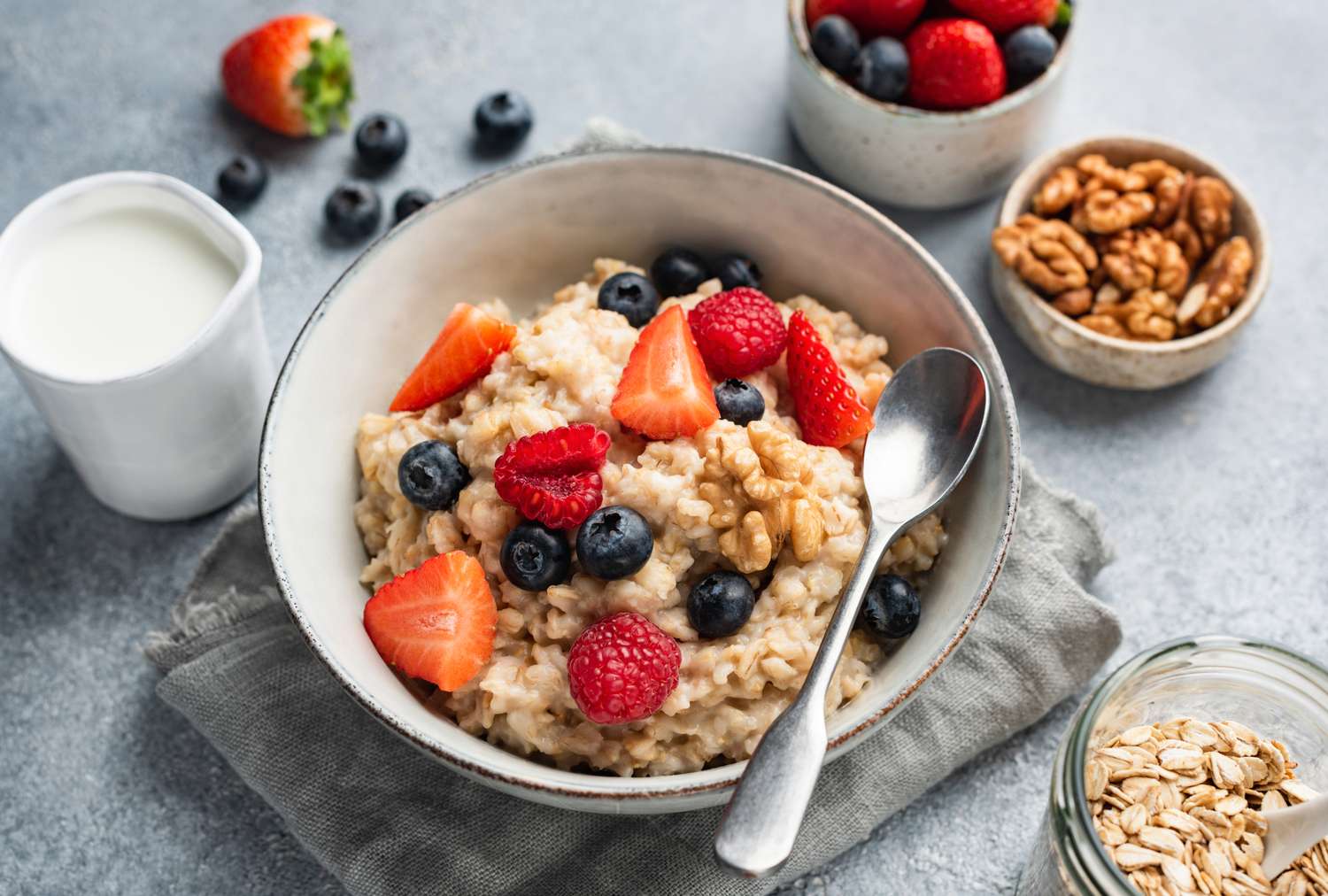
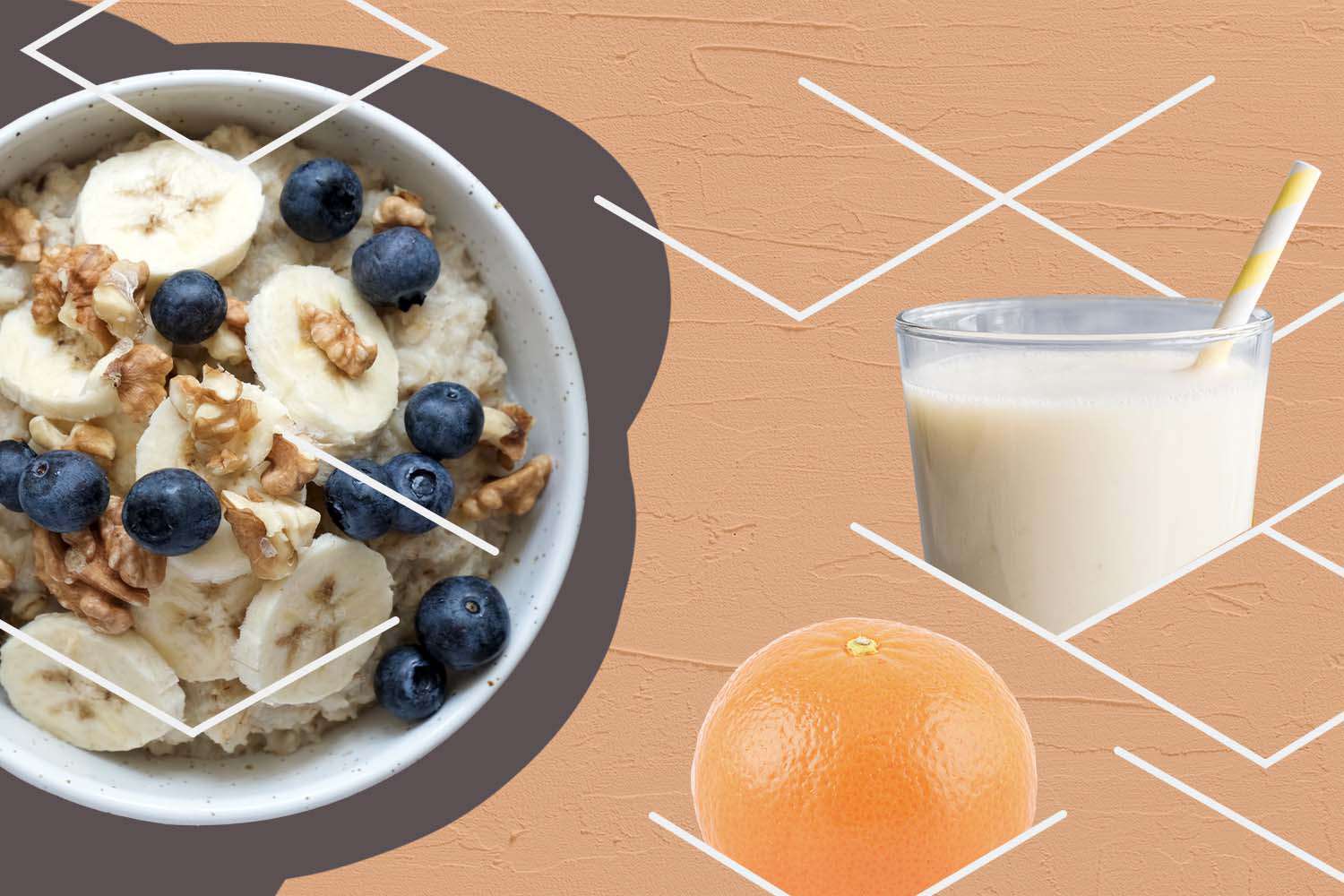
- Breakfast: Fruit & nut oatmeal: 1 cup oats cooked with almond milk, topped with walnuts and sliced apple.
- Lunch: Lean beef burger bowls: 6oz lean ground beef over a bed of spinach with quinoa and avocado.
- Dinner: Turkey meatballs with whole-grain pasta and marinara sauce.
- Snacks: Casein protein shake; apple with peanut butter; Greek yogurt.
Day 3
- Breakfast: Chia seed pudding made with protein powder and topped with berries.
- Lunch: Tuna wraps: 2 whole-grain tortillas with canned tuna (in water), light mayo, and shredded greens.
- Dinner: Grilled lemon-herb chicken with roasted red potatoes and green beans.
- Snacks: Protein bar; 1oz almonds; protein smoothie (spinach/protein/oats).
Day 4
- Breakfast: Scrambled egg muffins (3 eggs + 3 whites) with bell peppers and onions.
- Lunch: Grilled shrimp (6oz) with 1 cup brown rice and stir-fried zucchini.
- Dinner: Lean sirloin steak (5oz) with a large baked potato and side salad.
- Snacks: Rice cakes with almond butter; jerky (low sodium); Greek yogurt.
Day 5
- Breakfast: Two slices of whole-grain toast with mashed avocado and poached eggs.
- Lunch: Turkey chili (made with kidney beans and lean turkey) served over quinoa.
- Dinner: Baked cod with a wild rice blend and sautéed kale.
- Snacks: Peanut butter and banana sandwich on Ezekiel bread; whey shake; cottage cheese.
Day 6
- Breakfast: Large bowl of whole-grain cereal with high-protein milk (like Fairlife) and sliced strawberries.
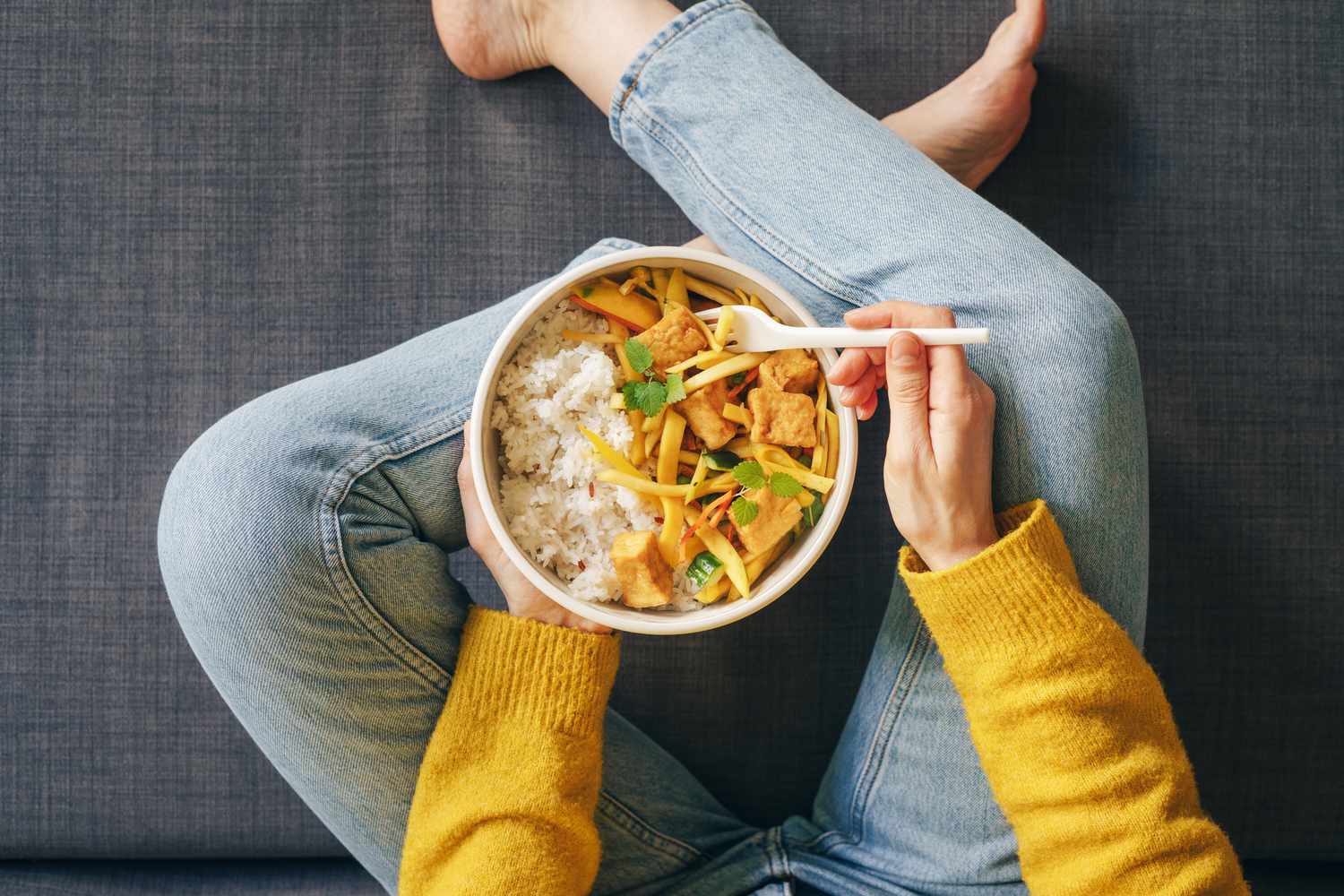
- Lunch: Tofu stir-fry with udon noodles, bok choy, and ginger-soy dressing.
- Dinner: Slow-cooked pulled chicken breast with sweet potato wedges and slaw.
- Snacks: Handful of walnuts; protein shake; Greek yogurt with honey.
Day 7
- Breakfast: Overnight oats with chocolate protein powder, chia seeds, and peanut butter.
- Lunch: Leftover turkey chili or a large Cobb salad with double chicken.
- Dinner: Broiled salmon with 1 cup quinoa and roasted cauliflower.
- Snacks: 2 hard-boiled eggs; protein bar; fruit smoothie.
Prep Like a Pro: Time-Saving Strategies
The difference between a successful prep and a kitchen disaster is the system you use. Don't try to cook every meal individually.
- Batch Cooking: Dedicate Sunday afternoon to the "staples." Grill 3–4 pounds of chicken at once. Roast two trays of vegetables. Boil a massive pot of rice or quinoa. These are your building blocks.
- The "Container Method": Invest in high-quality, airtight glass containers. Instead of leaving bulk food in the fridge, portion out your lunches and dinners immediately after cooking. This ensures you aren't "eyeballing" portions—which is where the 10–20% surplus can accidentally turn into a 40% surplus (fat gain).
- Flavor Rotation: To avoid "diet burnout," keep your proteins neutral during the batch cook. Use different calorie-free hot sauces, dry rubs, or balsamic glazes when you actually sit down to eat. A chicken breast can taste like Buffalo wings on Monday and Lemon-Pepper on Tuesday with very little effort.
Pro-Tip: The Hydration Factor Muscle is roughly 75% water. Even a 2% drop in hydration can lead to a significant decrease in strength and recovery. Aim for at least 13 cups of water daily for men and 9 cups for women. If you are training intensely, add an extra 16-24 ounces for every hour of activity.
Post-Workout & Hydration Strategies
The "anabolic window" is often debated, but from a nutritional science perspective, the post-workout period is the most efficient time for nutrient partitioning. Within 30 to 60 minutes of finishing your last set, consume 25–40 grams of fast-acting protein (like whey isolate) and 40–60 grams of simple carbohydrates. This spikes insulin, which helps shuttle amino acids into the muscle cells and halts the muscle-breakdown process initiated by training.
Customization: Adjusting for Your Weight and Goals
While this 3,000-calorie plan works for many, it is not a one-size-fits-all solution. A 220-pound veteran bodybuilder and a 140-pound "hardgainer" have vastly different requirements.
- Scaling Down: If you find you are gaining weight too quickly (more than 0.5–1 pound per week), reduce the carbohydrate portions by 25%—usually by cutting back on the rice or potato portions at lunch and dinner.
- Scaling Up: If the scale isn't moving after two weeks, add "liquid calories" or healthy fats. Adding two tablespoons of olive oil or nut butter across your day can easily add 200-300 clean calories without making you feel overly full.
- Plant-Based Alternatives: For vegetarian or vegan bodybuilders, swap animal proteins for seitan, tempeh, lentils, and lupin beans. Be mindful that plant proteins often come with additional carbohydrates, so you may need to adjust your grain portions accordingly.

FAQ
Q: Can I have a "cheat meal" while following this bodybuilding meal prep plan? A: Absolutely. In fact, a "refeed" meal can be psychologically beneficial. Aim for 90% compliance with the plan. One meal a week that falls outside your macros won't ruin your progress, provided you return to the plan immediately afterward.
Q: Is it okay to eat the same thing every day? A: From a macro perspective, yes. However, from a micro-nutrient perspective, variety is better. Different vegetables provide different phytonutrients that help with inflammation. If you prefer the simplicity of eating the same thing, try to at least rotate your vegetable sources every week.
Q: Should I take supplements alongside this meal plan? A: Supplements are just that—supplemental. Focus on hitting your whole-food targets first. Beyond a quality whey protein and perhaps creatine monohydrate (5g daily), most of your gains will come from the 3,000 calories of high-quality food in this guide.
Your Path to Growth Starts Sunday
Effective bodybuilding isn't about what you do in the gym; it's about how you support those efforts every other hour of the week. By mastering the art of the 7-day bodybuilding meal prep, you take the guesswork out of your physique goals. Start small: pick two proteins and two carb sources this weekend, prep them for the first three days, and feel the difference in your energy levels and gym performance.
The science is clear: consistency plus a caloric surplus equals hypertrophy. Now, go get to work.