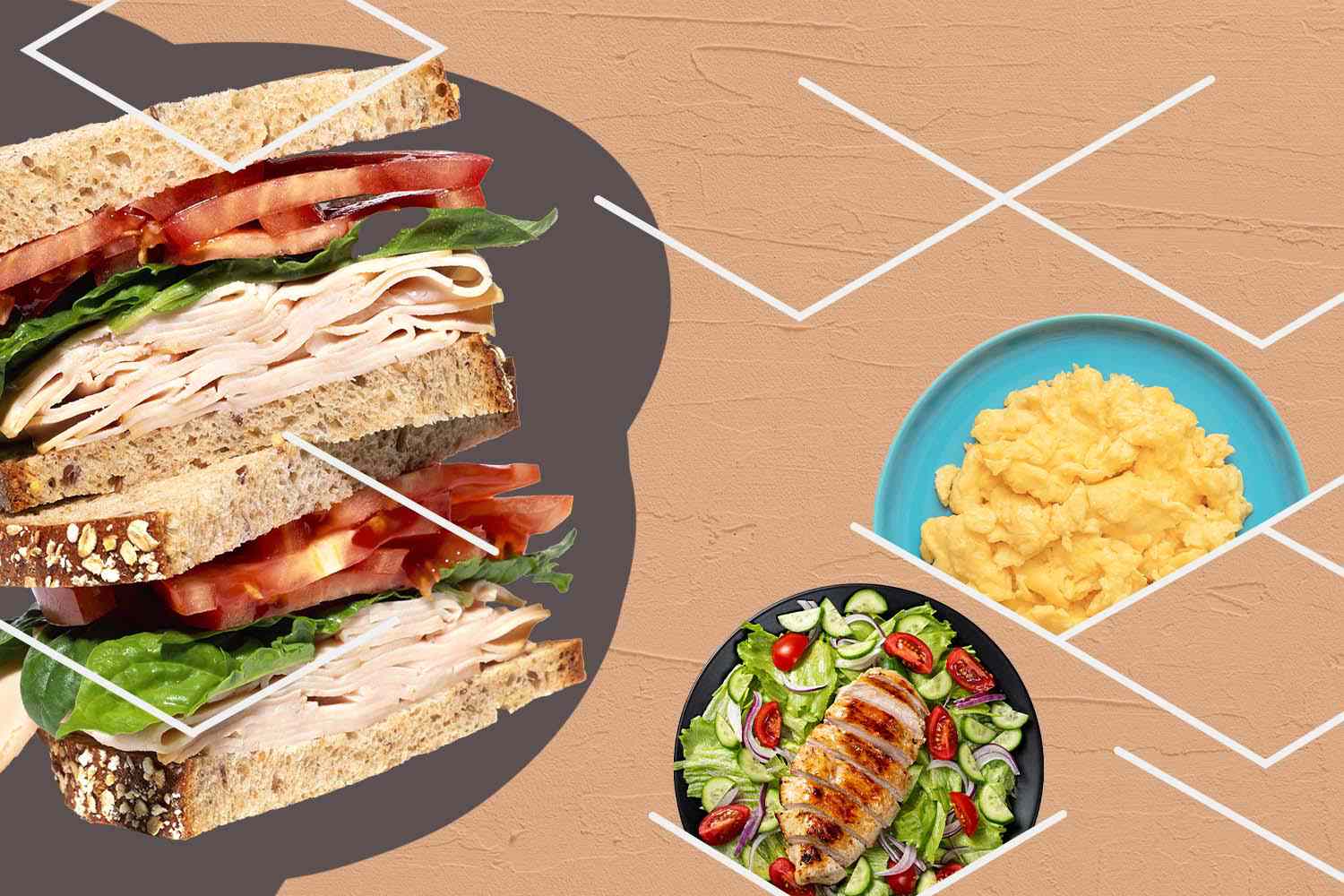
It’s 6:15 PM on a Tuesday. You are standing in front of an open refrigerator, staring at a half-wilted head of lettuce and a carton of eggs, feeling the weight of a dozen decisions you’ve already made today. This "cognitive fatigue" is the primary reason most healthy eating resolutions crumble by Wednesday. We don't fail because we lack willpower; we fail because we lack a system that makes the healthy choice the easiest choice.
To meal prep without stress, I recommend adopting the 333 Method: choose 3 proteins, 3 carbohydrates, and 3 vegetables to rotate throughout the week. This framework prevents "flavor fatigue"—the boredom of eating the exact same meal five days in a row—while keeping your grocery list manageable. By batch-cooking these versatile basics, beginners can complete a full week of meal prep in just 60 to 90 minutes. This structured routine can reduce your active daily cooking time by up to 70%, requiring only 30 minutes or less of final assembly per meal. My evidence-based approach ensures that a balanced 2,000-calorie plan provides approximately 90-110g of protein and 25-35g of fiber daily, optimizing your metabolic health and keeping you satiated until your next meal.
The Thinking Part: Meal Planning vs. Meal Prepping
In my years as a nutrition editor, I’ve noticed the most successful clients are those who distinguish between planning and prepping. Planning is the roadmap—it’s the mental work of choosing recipes, checking your pantry, and writing a grocery list. Prepping is the execution—the physical act of chopping, roasting, and portioning.
Never try to do both on the same day. If you spend Sunday morning searching for recipes, grocery shopping, and then immediately start cooking, you will be exhausted before the first pan hits the oven. Instead, treat Saturday as your "Vision Day." Curate what I call a "Personal Menu"—a digital or physical list of 10-15 "hero" meals that you know you love and can cook easily. When you plan your week, pull from this list rather than reinventing the wheel. This reduces the mental load and ensures that your 60-minute prep session on Sunday is focused solely on action.
The 333 Method: Your Framework for Infinite Variety
The 333 Method is the "Goldilocks" of meal prep: it’s enough variety to keep your palate interested, but simple enough to prevent your kitchen from looking like a disaster zone. Here is how to select your components based on nutritional density and storage longevity:
1. The Proteins (The Saturation Anchor)
Select three proteins. I recommend choosing one that is pre-cooked (like rotisserie chicken), one that requires roasting (like salmon or chicken thighs), and one plant-based option (like chickpeas or lentils).
- Chicken Thighs: More forgiving than breasts; they stay juicy when reheated.
- Ground Turkey: High protein-to-cost ratio and incredibly versatile for bowls or tacos.
- Chickpeas: Excellent fiber source and can be eaten cold in salads or roasted for crunch.
2. The Carbohydrates (The Energy Source)
Focus on complex carbohydrates that won't cause a mid-afternoon blood sugar crash.
- Quinoa: A complete protein that cooks in 15 minutes.
- Sweet Potatoes: High in Vitamin A and fiber; they store beautifully for 4-5 days.
- Brown Rice or Farro: These hearty grains hold their texture well and don't get mushy in the fridge.
3. The Vegetables (The Volume)
Choose vegetables that can be prepared in bulk.
- Roasted Broccoli/Cauliflower: Develops great flavor when charred.
- Bell Peppers & Onions: Perfect for "fajita-style" mixes.
- Massaged Kale: Unlike spinach, kale actually gets better after a day or two in dressing.
| Ingredient Category | Freshness Window | Best Storage Method |
|---|---|---|
| Cooked Poultry/Meat | 4 Days | Airtight glass container |
| Cooked Grains | 5 Days | Bottom shelf of the fridge |
| Roasted Root Veggies | 4-5 Days | Separate from proteins to avoid sogginess |
| Leafy Greens (Pre-cut) | 3 Days | Container lined with a paper towel |
Pro-Tip: The Roasting Rule To maximize efficiency, roast your proteins and vegetables at the same temperature (400°F/200°C). Use separate sheet pans so you can pull the faster-cooking items (like asparagus or shrimp) out early while letting the sturdier items (like chicken or potatoes) finish.
Essential Tools for the 2026 Kitchen
As we move into 2026, the shift toward sustainable and health-conscious kitchenware is non-negotiable. If you are serious about meal prep, invest in high-quality glass containers. Unlike plastic, glass doesn't leach endocrine-disrupting chemicals into your food, it’s oven-safe, and it doesn't retain the smell of last week’s garlic shrimp.
Beyond storage, efficiency is built on a few key tools. A sharp 8-inch chef’s knife is your best friend; most kitchen frustration comes from struggling with dull blades. A large sheet pan (or two) allows for "set it and forget it" cooking, while a digital meat thermometer ensures your proteins are safe without being overcooked and rubbery.
The 90-Minute Batch-Cook Sunday Ritual
Reframe your prep time from a chore to a ritual. Put on a podcast, pour a glass of kombucha or wine, and follow this high-efficiency workflow:
- Phase 1: The Setup (0-15 mins): Preheat your oven to 400°F. Start your grains (rice/quinoa) on the stove or in a rice cooker. While the water boils, chop all your vegetables.
- Phase 2: Parallel Cooking (15-60 mins): Season your proteins and vegetables. Spread them across multiple sheet pans. Slide them into the oven. While they roast, prepare a "universal sauce" (like a lemon-tahini or spicy peanut dressing) that works across all your 333 components.
- Phase 3: The Cooling Rule (60-80 mins): This is the most skipped step. Never put steaming hot food directly into a sealed container. The steam creates condensation, which leads to soggy vegetables and premature spoilage. Let everything reach room temperature on the counter first.
- Phase 4: Portioning (80-90 mins): Assemble your bowls. Label them with the date. Use the "First In, First Out" rule—put the meals you intend to eat later in the week toward the back of the fridge.
The 90-Minute Prep Checklist
- [ ] Grains are simmering/cooking.
- [ ] All vegetables are washed and chopped.
- [ ] Proteins are seasoned and trayed.
- [ ] Oven timer is set.
- [ ] Storage containers are laid out and clean.
- [ ] One "Hero Sauce" is blended.
The 7-Day Balanced Meal Plan for Beginners
This plan is designed to hit your 90-110g protein and 25-35g fiber targets using the 333 Method.
- Days 1-3: The Fresh Window. Focus on delicate items.
- Lunch: Lemon-herb chicken with quinoa and massaged kale.
- Dinner: Baked salmon with roasted asparagus and sweet potato mash.
- Days 4-5: The Hearty Window. Use ingredients that hold up well over time.
- Lunch: Ground turkey "Burrito Bowls" with brown rice, peppers, and onions.
- Dinner: Roasted chickpea and sweet potato Buddha bowls with tahini dressing.
- Days 6-7: The "Flex" Days. Use frozen backups or quick assemblies.
- Lunch: Tuna salad (made fresh) over the last of your prepped grains.
- Dinner: Freezer-friendly soup or a quick stir-fry using any remaining prepped veggies.
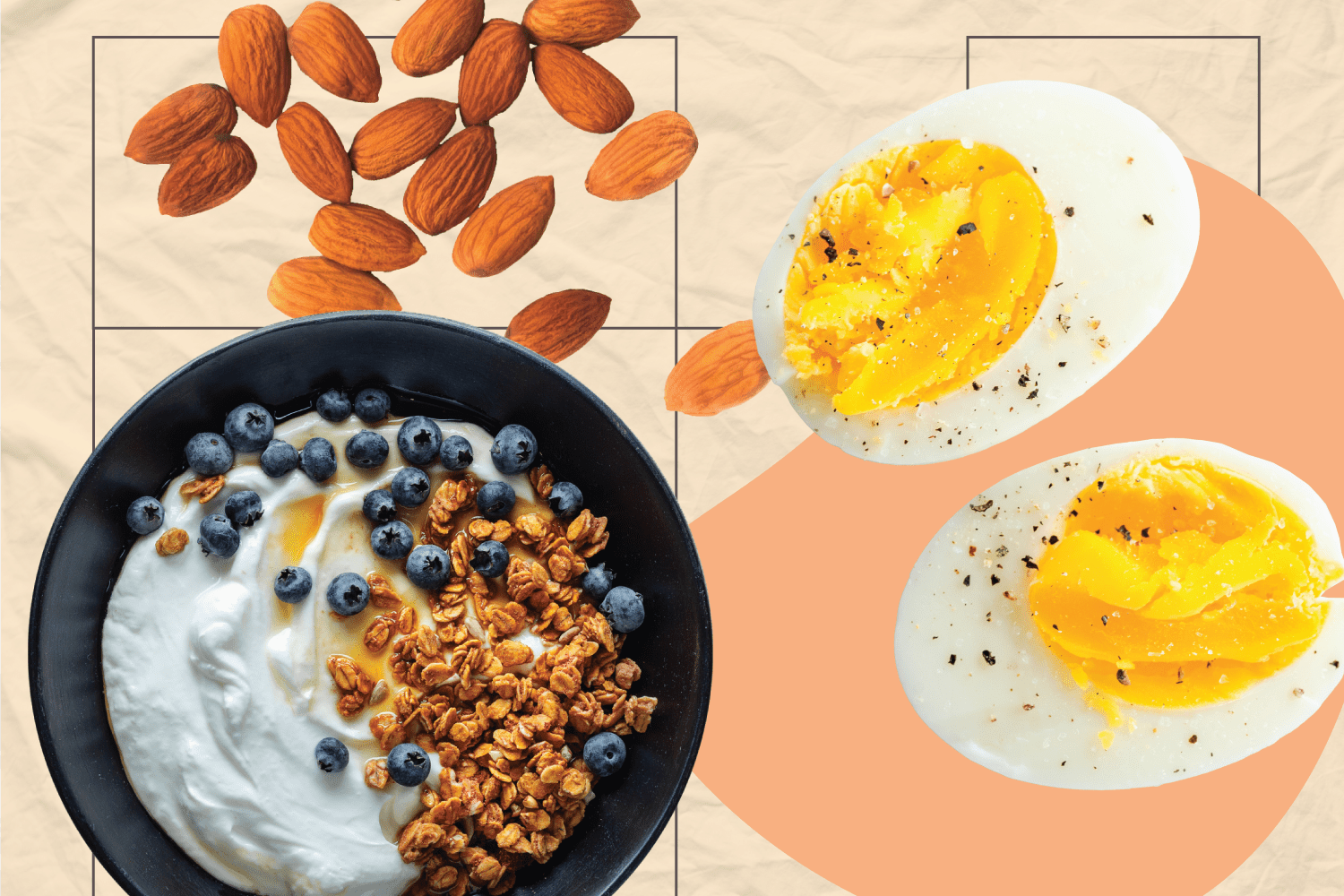
The Bento Box Snack Strategy: Avoid the 3 PM vending machine run by prepping "adult bento boxes." Include two hard-boiled eggs, a handful of almonds, and a cup of berries. This provides a balance of protein, healthy fats, and antioxidants that stabilizes your energy levels.
Food Safety: How Long Does It Actually Last?
One of the most frequent questions I receive is: "Is this still safe to eat on Friday?" Generally, most prepped healthy meals stay fresh in the refrigerator for 3 to 4 days. Cooked chicken and roasted vegetables should be consumed within this 4-day window. Cooked grains like rice or quinoa are slightly more resilient and can last up to 5 days in airtight containers.
If you know you won't get to a meal by Day 4, move it to the freezer immediately after it has cooled. Soups, stews, and cooked grains freeze beautifully. However, avoid freezing high-moisture vegetables like zucchini or cucumber, as they will turn to mush upon thawing.
When reheating, avoid the "microwave rubber" effect. For proteins, add a teaspoon of water to the container and cover it loosely; the steam will help rehydrate the meat. For grains, a damp paper towel placed over the bowl in the microwave works wonders to restore a fluffy texture.
FAQ
Q: Can I meal prep if I have a very small fridge? A: Absolutely. Instead of portioning everything into individual bulky containers, store your "333" components in stackable silicone bags or slim glass jars. Assemble your plate right before eating to save space.
Q: Is it okay to eat the same thing every day? A: From a safety standpoint, yes. However, from a nutritional standpoint, variety is key for a healthy gut microbiome. Use different sauces (e.g., pesto on Monday, sriracha-mayo on Tuesday) to change the flavor profile of the same base ingredients.
Q: How do I stop my salad from getting soggy? A: Use the "Jar Method." Put your dressing at the very bottom, followed by hard vegetables (carrots, chickpeas), then grains, and finally the leafy greens at the top. Shake it into a bowl when you're ready to eat.
Ready to take control of your kitchen?
The secret to a healthier 2026 isn't a miracle diet—it's a sustainable system. Start your 333 Method this Sunday and feel the immediate relief of a stress-free week.