Picture this: It’s 6:30 PM on a Tuesday. You’ve just crushed a heavy leg day, your glycogen stores are depleted, and your muscles are screaming for repair. You walk into the kitchen, open the fridge, and find… half a jar of pickles and a wilting head of lettuce. Fatigue sets in, and before you know it, you’re scrolling through a food delivery app, paying $25 for a "healthy" bowl that barely hits 20 grams of protein.
This is where muscle-building dreams go to die. As a nutrition editor, I’ve seen it a thousand times: the bottleneck to hypertrophy isn't the intensity of your squats; it’s the inconsistency of your kitchen. Meal prep is the ultimate bridge between the science of hypertrophy and the reality of a busy life. By dedicating a few hours on a Sunday, you’re not just saving 6-8 hours throughout the week; you’re ensuring that every single calorie serves a purpose. Research even suggests that those who plan their meals consume 23% more vegetables and are significantly more likely to meet their nutritional targets.

The Bulking Blueprint: Macros and Calories
Before we chop a single onion, we need to understand the math of muscle. Bulking isn't a license to eat everything in sight; "dirty bulking" often leads to more fat storage than muscle tissue accretion. To build lean mass, we need a strategic surplus.
How much protein do I need for muscle gain? For optimal muscle hypertrophy, experts recommend consuming between 1.6 and 2.2 grams of protein per kilogram of body weight daily. This should be distributed across 3 to 6 meals to keep muscle protein synthesis (MPS) elevated throughout the day.
What is the recommended calorie surplus for bulking? To support muscle growth while minimizing fat gain, aim for a caloric intake of 10% to 20% above your maintenance calories for your target weight. For many active individuals, this lands in the 2,200 to 2,800-calorie range.
The Holy Trinity of Macros for Muscle Growth:
- Protein: 1.6–2.2g/kg (The building blocks of tissue).
- Fats: 0.5–1.5g/kg (Essential for hormone production, including testosterone).
- Carbohydrates: 3.5–5g/kg (The fuel for high-intensity resistance training).
For a 150-pound (68kg) individual, a standardized 2,200-calorie muscle gain plan provides approximately 110–150 grams of protein and 240–340 grams of carbohydrates per day.
Choosing Your Strategy: Batch vs. Ingredient Prep
There are three ways to approach your Sunday session. Choosing the right one depends on your personality and your "palate fatigue" threshold.
- Batch Cooking: This is the traditional method. You cook three giant recipes and portion them into 15–20 identical containers. It’s the most time-efficient but can become monotonous by Thursday.
- Ingredient Prep: Instead of full meals, you prep components. You roast three trays of different vegetables, boil a pot of quinoa, and grill three pounds of seasoned chicken. This allows you to "assemble" different flavors every night.
- The Hybrid Method (My Recommendation): Prep your breakfasts and lunches in batches (the meals you eat on the go), but use ingredient prep for dinners so you can have a fresh-tasting meal in under 10 minutes.
Pro-Tip: If you struggle with the "same meal every day" feeling, invest in three different low-calorie sauces (like Sriracha, sugar-free BBQ, and Chimichurri). One base meal can taste like three different cuisines just by swapping the sauce.
Essential Bulking Groceries: Smart Choices for Your Budget
Bulking can get expensive, but it doesn't have to. You don't need grass-fed wagyu to gain mass. In fact, some of the best prep-friendly proteins are the most affordable.
| Protein Source | Protein Content (per 100g) | Typical Cost | Prep Difficulty |
|---|---|---|---|
| Chicken Thighs | 24g | $1.99 - $2.99/lb | Low (Hard to overcook) |
| Chicken Breast | 31g | $3.99 - $5.99/lb | Medium (Can get dry) |
| Ground Turkey (93%) | 27g | $4.50 - $6.00/lb | Very Low |
| Canned Tuna | 25g | $1.00 - $1.50/can | Zero |
| Greek Yogurt | 10g | $5.00/large tub | Zero |
When selecting carbohydrates, prioritize "Endurance Grains." While white rice is a bodybuilding staple, it can become hard and "pebbly" after three days in the fridge. Quinoa, Farro, and Brown Rice have higher fiber and protein content and maintain their texture much better during reheating.
For vegetables, follow The Roasting Rule: Roast your veggies at 425°F (220°C). This high heat caramelizes the natural sugars and evaporates excess moisture, preventing the "soggy vegetable syndrome" that ruins many meal preps.
The 2,200-Calorie 7-Day Muscle Building Plan
This plan is designed for a 150lb individual looking for steady, lean gains. It prioritizes high-protein "anchors" for every meal.
Days 1–3: The High-Energy Kickoff
- Breakfast: High-Protein Overnight Oats (see recipe below).
- Lunch: Greek Chicken Power Bowls with Quinoa and Hummus.
- Dinner: Sheet Pan Salmon with Sweet Potato Wedges and Roasted Asparagus.
- Snack: Rice cakes with natural peanut butter and a scoop of whey protein in water.
Days 4–7: The Texture Pivot
- Breakfast: High-Protein Overnight Oats (swapping fruit toppings for variety).
- Lunch: Ground Turkey Taco Bowls with Black Beans and Corn.
- Dinner: Lean Beef Stir-fry with Broccoli and Rice Noodles.
- Snack: 1 cup Greek Yogurt with a handful of almonds.
Bulk-Ready Recipes for Your Sunday Session
Greek Chicken Power Bowls (Yields 4 Meals)
- The Protein: 1.5 lbs chicken breast, seasoned with oregano, garlic, and lemon.
- The Base: 2 cups cooked quinoa.
- The Veg: Chopped cucumber, cherry tomatoes, and red onion.
- Emily’s Hack: Don't put the dressing on the salad in the container. Keep it in a small 1oz condiment cup to keep the veggies crisp.
High-Protein Overnight Oats: 5 Variations
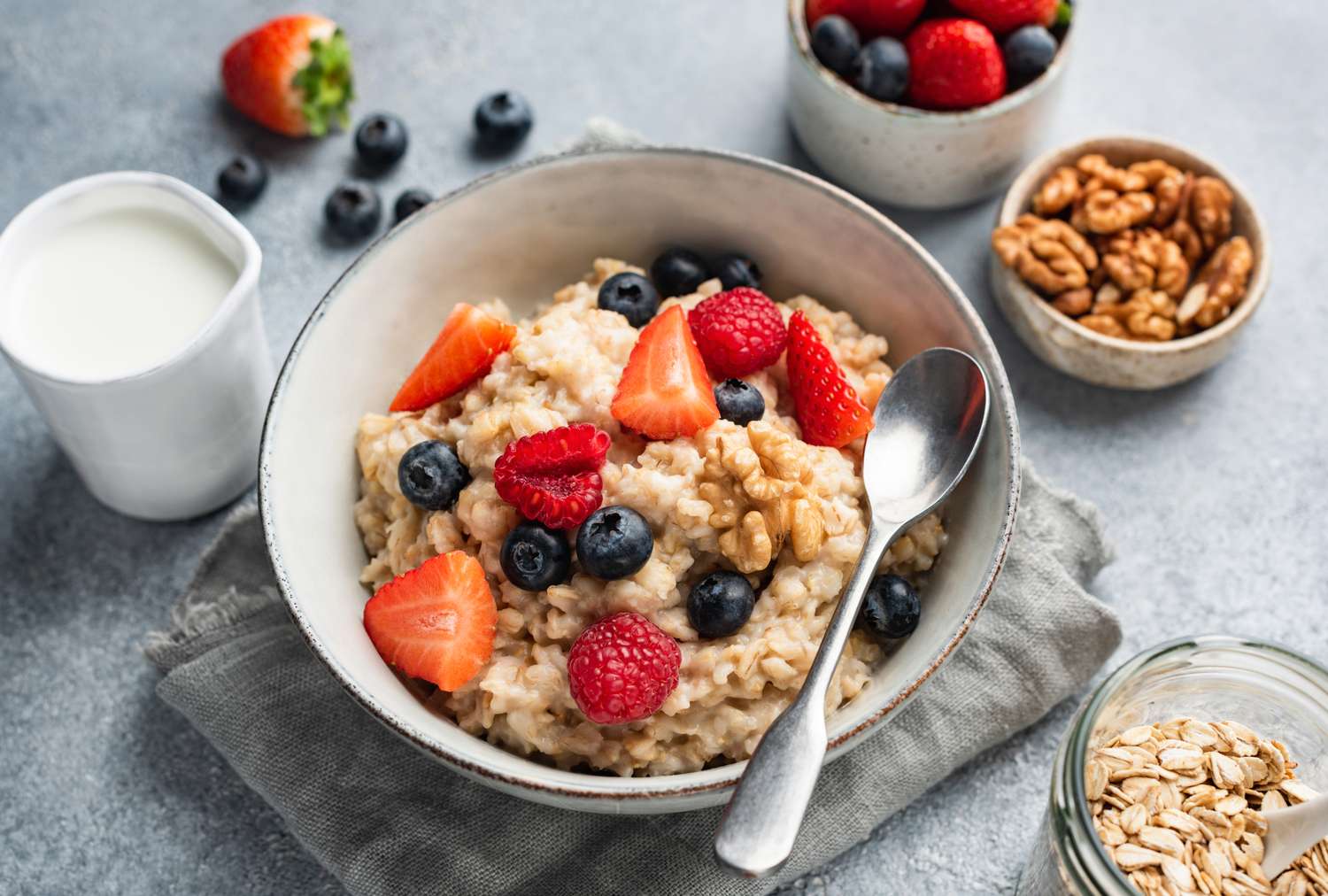
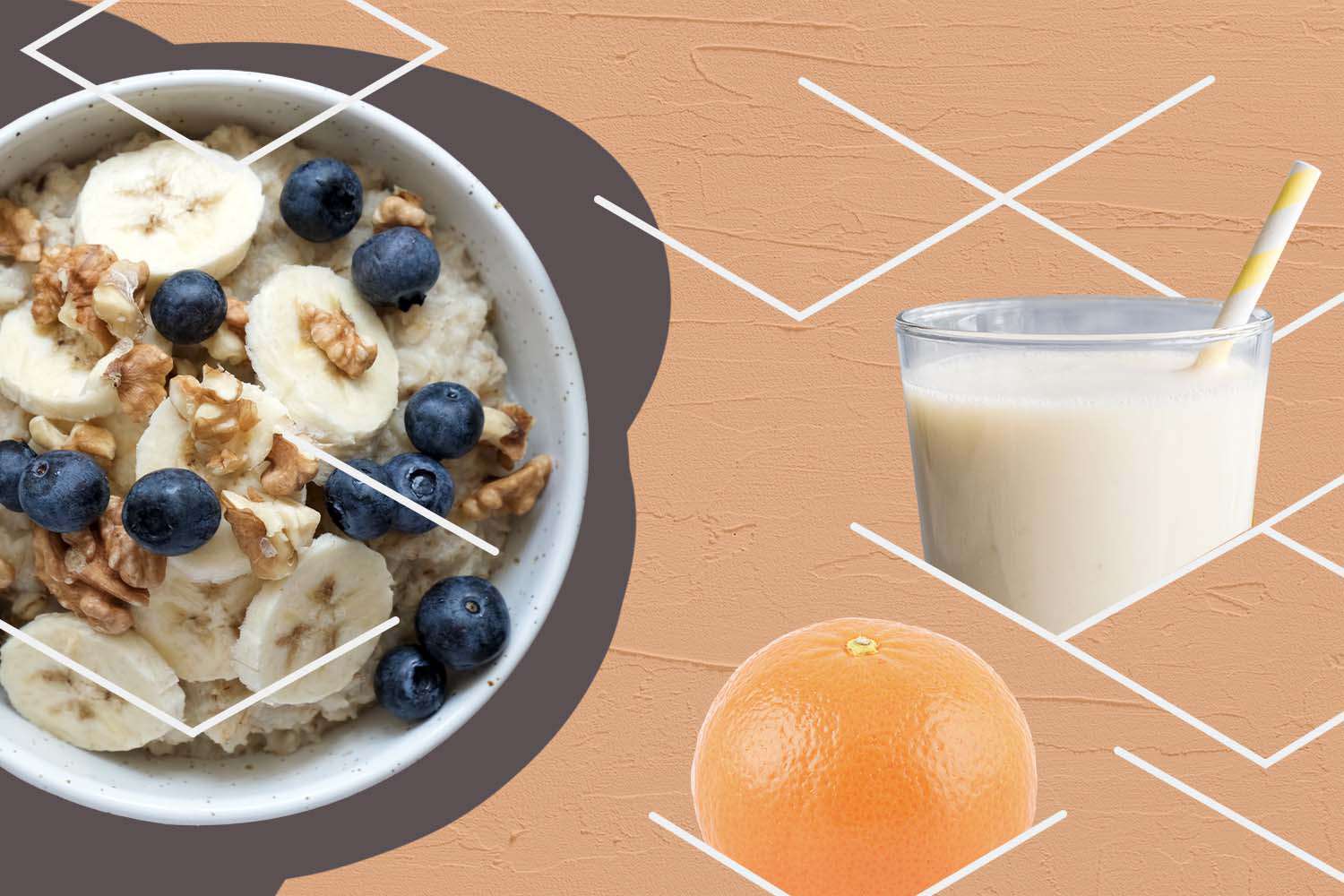
Overnight oats are the "cheat code" for muscle gain. They require zero cooking and offer a massive hit of slow-digesting carbs and protein.
Base Recipe:
- 1/2 cup Rolled Oats
- 1 scoop Whey Protein (Vanilla or Chocolate)
- 1 tbsp Chia Seeds
- 3/4 cup Almond Milk or Water
Variations:
- Peanut Butter Banana: Add 1 tbsp PB and half a sliced banana.
- Berry Blast: Add 1/4 cup blueberries and 1/4 cup raspberries.
- Apple Cinnamon: Add diced apple and 1 tsp cinnamon.
- Mocha: Add 1 tsp instant coffee and dark chocolate chips.
- Tropical: Add 1 tbsp shredded coconut and diced mango.
Storage, Food Safety, and Reheating
Your prep is only as good as its preservation. To keep your food safe and tasty, follow these three rules:
- The 2-Hour Rule: Never let your cooked food sit at room temperature for more than two hours. Bacteria thrive between 40°F and 140°F. Use shallow containers to help food cool faster in the fridge.
- Storage Timeline:
- Seafood: 2 days max.
- Chicken/Beef: 4 days max.
- Grains/Vegetables: 5-6 days.
- If you prep on Sunday, plan to eat your fish meals by Tuesday and your beef/turkey meals later in the week.
- The Reheating Trick: To avoid "Dry Chicken Syndrome," place a damp paper towel over your container before microwaving. This creates a steam chamber that rehydrates the meat and grains. For even better results, add a teaspoon of water or broth to your rice before heating.
Common Pitfalls to Avoid
1. Over-Prepping: Don't try to prep 21 meals on your first Sunday. You will burn out. Start with just lunches or just breakfasts. Build the habit before you build the empire.
2. "Each container is a boundary for your goals": It is tempting to graze on your prepped food while you are cooking it. Remember that the portions you set are designed for your caloric surplus. If you eat tomorrow's lunch today, you've broken the boundary.
3. Flavor Boredom: "Clean eating" doesn't mean "bland eating." Your spice cabinet is your best friend. Cumin, smoked paprika, turmeric, and garlic powder add zero calories but infinite satisfaction.
FAQ
Q: Can I freeze my meal prep? A: Yes, most proteins and grains freeze exceptionally well for up to 3 months. However, avoid freezing watery vegetables like cucumbers, lettuce, or tomatoes, as they will turn to mush when thawed.
Q: What if I miss a meal in my 7-day plan? A: Don't panic. Muscle growth is the result of your average intake over weeks and months, not a single 24-hour window. If you miss a meal, simply get back on track with the next scheduled meal. Do not try to "double up" and eat 1,500 calories in one sitting, as this can lead to digestive distress and poor nutrient absorption.
Q: Do I need supplements if I'm meal prepping? A: Supplements are just that—supplements to a solid diet. If your meal prep hits your 1.6-2.2g/kg protein target, you don't need whey protein. However, protein powder is a convenient, cost-effective way to hit those numbers, especially in breakfasts like overnight oats.
Take Action Today
Meal prep isn't about perfection; it's about progress. You don't need a kitchen full of expensive glass containers or a degree in culinary arts to start. This Sunday, pick one recipe from this guide—perhaps the Greek Chicken Bowls or the Overnight Oats—and prep it for the next three days.
Experience the relief of knowing exactly what your next move is when you walk through the door after a workout. Your muscles will thank you, and your results will finally start to reflect the hard work you put in at the gym.