We often think of inflammation as a visible response—the redness around a cut or the swelling of a sprained ankle. However, the more insidious form is chronic, systemic inflammation, a silent driver behind many modern health challenges, from Type 2 diabetes and cardiovascular disease to rheumatoid arthritis and metabolic syndrome. As a nutrition editor, I’ve spent years analyzing how specific dietary patterns can either fuel this "internal fire" or effectively douse the flames.
An anti-inflammatory diet is not a restrictive fad; it is a lifestyle rooted in nutrient density. It focuses on flooding the body with whole, minimally processed foods—think vibrant fruits, leafy greens, lean proteins, and omega-3 fatty acids—while systematically limiting the refined sugars and saturated fats that trigger pro-inflammatory cytokines. By following a structured 7-day protocol optimized for a 2,000-calorie daily intake, we can effectively reset our metabolic health. This approach provides an average of 105g of protein and 245g of complex carbohydrates, designed specifically to support cellular repair and hormonal balance.

The Anti-Inflammatory Framework: The 2026 Food Pyramid
To navigate this way of eating, we utilize a tiered framework that prioritizes foods based on their "Inflammatory Index." At the base of our pyramid—the "Unlimited Tier"—we find leafy greens, cruciferous vegetables, and potent spices like turmeric and ginger. These are the workhorses of cellular protection. Moving up, we have "Daily Staples," which include 100% whole grains, legumes, and healthy fats like extra virgin olive oil and avocado.
One of the most powerful shifts we can make is the "Science of Swaps." By replacing refined white grains with 100% whole grains and incorporating seeds like chia or flax, we can increase daily fiber intake by over 35%. This is a critical metric because high fiber intake is directly linked to a reduction in C-reactive protein (CRP) levels, the primary clinical marker for systemic inflammation. Finally, the "Occasional Tier" allows for high-quality dark chocolate (at least 70% cocoa) and fermented dairy, providing antioxidants and probiotics that support gut health without overwhelming the system.
Core Principles of the 7-Day Plan
Consistency is the secret ingredient to any anti-inflammatory strategy. Meal planning ensures a steady influx of anthocyanins (found in berries) and omega-3 fatty acids (found in fatty fish), which prevent the peaks and valleys in blood sugar that often lead to inflammatory spikes.
Our 7-day plan is meticulously balanced to hit three major targets:
- Metabolic Stability: Controlled portions of complex carbohydrates (245g) to maintain steady insulin levels.
- Muscle & Tissue Repair: A robust protein intake (105g) sourced from both plant and lean animal origins.
- Oxidative Stress Reduction: A high concentration of phytonutrients to neutralize free radicals.
The 7-Day Anti-Inflammatory Meal Plan
Each day of this plan is designed to be mobile-friendly and easy to execute, ensuring you spend less time stressing and more time healing.
Day 1: The Foundation
Today is about establishing the pillars of the diet: high fiber and healthy fats.
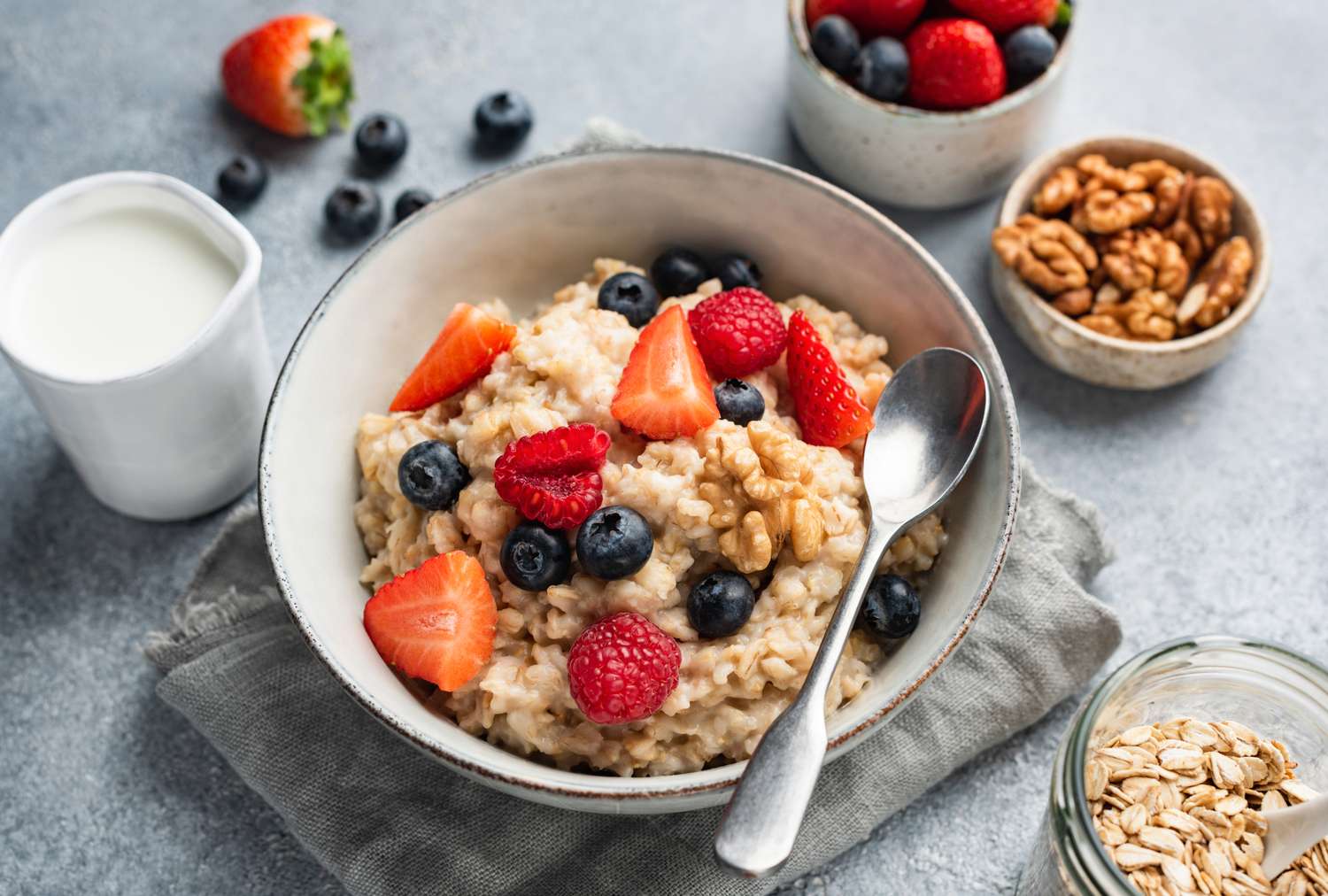
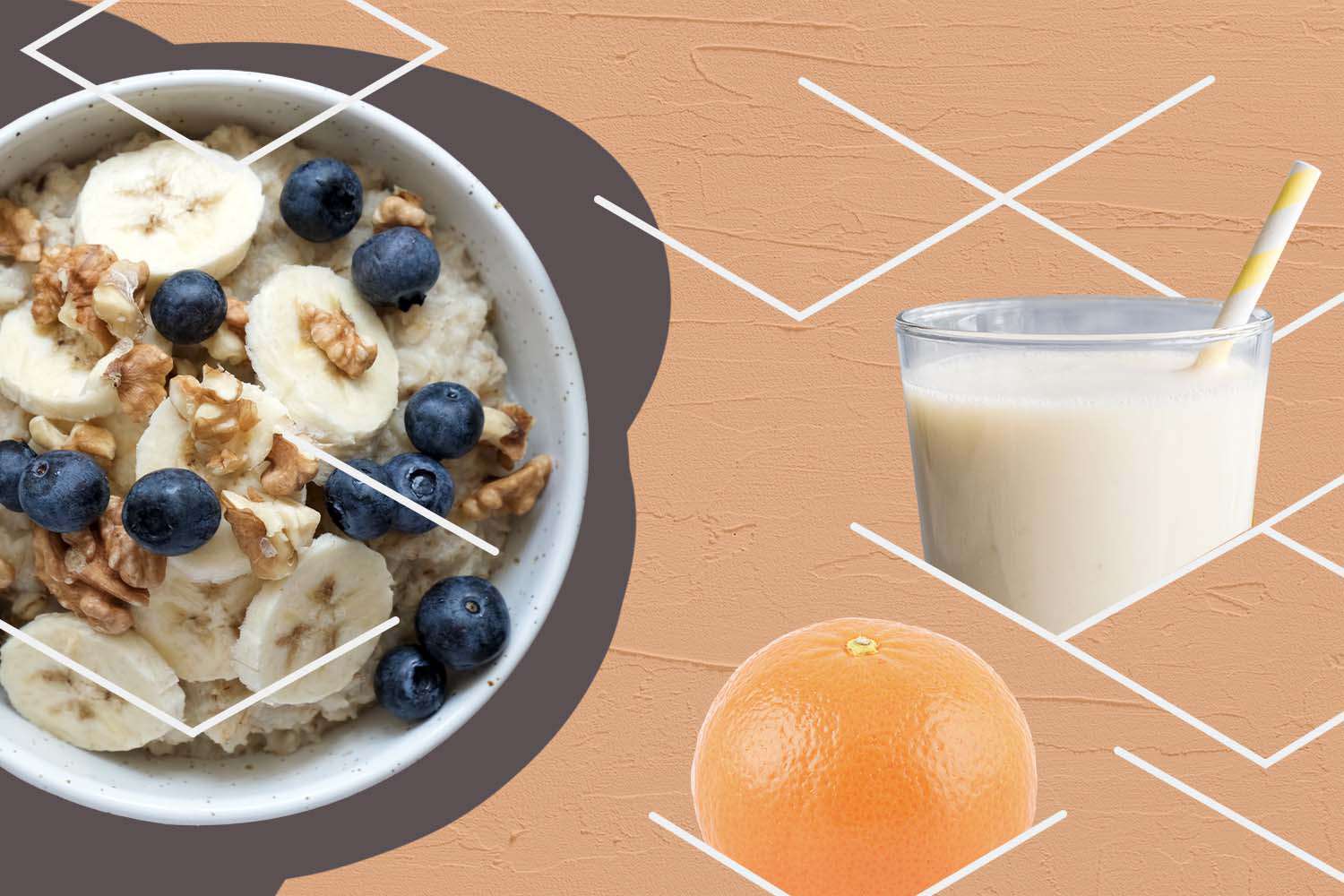
- Breakfast: Nutty Overnight Oats. Combine rolled oats with chia seeds, almond milk, and a handful of fresh blueberries. The chia seeds provide a massive dose of ALA (alpha-linolenic acid), a plant-based omega-3.
- Lunch: Wild Salmon Salad Bowl. Use canned or grilled wild salmon over a bed of mixed greens, dressed with extra virgin olive oil and lemon.
- Dinner: Flaxseed-crusted Grilled Tuna with a side of roasted sweet potato and steamed broccoli.
- Snack: Two tablespoons of hummus with crisp red bell pepper slices.
| Macro Snapshot: Day 1 | Target |
|---|---|
| Calories | 2,015 kcal |
| Protein | 110g |
| Carbohydrates | 238g |
| Fiber | 38g |
Science Spotlight: Wild salmon and tuna are rich in EPA and DHA. These specific omega-3s interfere with the metabolic pathways that produce inflammatory chemicals in the body.
Day 2: Greens and Grains
Focusing on the synergy between spices and leafy greens to maximize nutrient absorption.
- Breakfast: Turmeric-Scrambled Eggs. Use two whole eggs and two whites, scrambled with fresh spinach and served with half an avocado.
- Lunch: Lentil and Spinach Soup. A hearty bowl seasoned with turmeric and a pinch of black pepper.
- Dinner: Bean Burrito Bowl. Use a whole-wheat tortilla or brown rice base with pinto beans, fresh salsa, and plenty of cilantro.
- Snack: One cup of plain Greek yogurt topped with fresh raspberries.
| Macro Snapshot: Day 2 | Target |
|---|---|
| Calories | 1,985 kcal |
| Protein | 102g |
| Carbohydrates | 252g |
| Fiber | 42g |
Day 3: Mediterranean Focus
Drawing inspiration from the world's most researched anti-inflammatory region.
- Breakfast: Blueberry Chia Overnight Oats (variation with flaxseeds for added texture and lignans).
- Lunch: Mediterranean Lentil Salad Bowl. Include Kalamata olives, cucumbers, cherry tomatoes, and a light feta crumble.
- Dinner: Baked Rainbow Trout served with a medley of roasted root vegetables (carrots, parsnips, and beets).
- Snack: A square of 70% dark chocolate paired with five raw walnuts.
| Macro Snapshot: Day 3 | Target |
|---|---|
| Calories | 2,040 kcal |
| Protein | 108g |
| Carbohydrates | 235g |
| Fiber | 36g |
Day 4: Plant-Powered Healing
A mid-week focus on plant proteins to diversify your gut microbiome.
- Breakfast: Berry Smoothie. Blend frozen mixed berries, almond butter, hemp seeds, and unsweetened almond milk.
- Lunch: Quinoa Lentil Salad. Dressed with a vibrant lemon-turmeric vinaigrette.
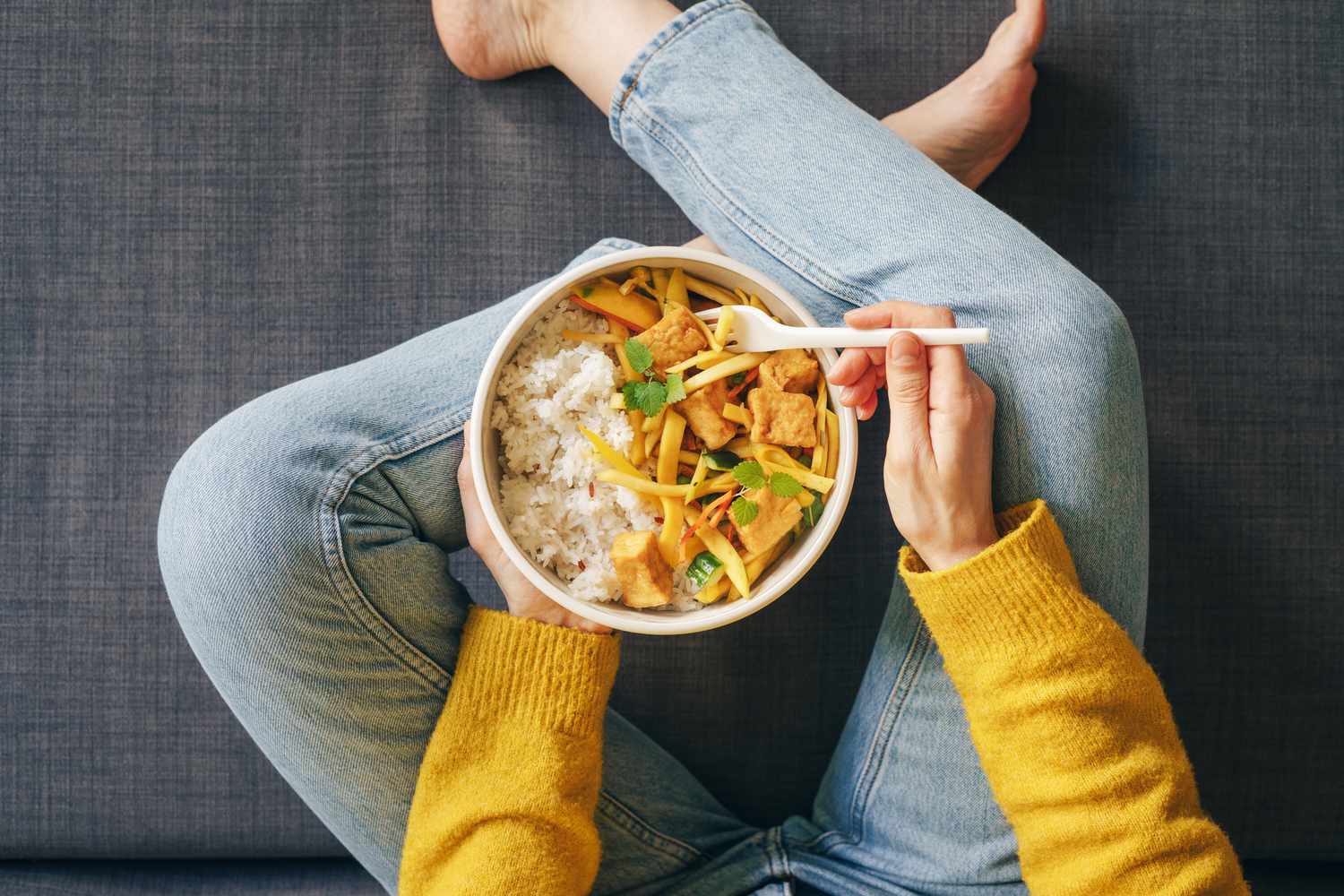
- Dinner: Tofu Stir-fry with broccoli, bok choy, and snap peas over a small portion of brown rice.
- Snack: One medium apple sliced and dusted with cinnamon to help regulate blood sugar.
| Macro Snapshot: Day 4 | Target |
|---|---|
| Calories | 1,960 kcal |
| Protein | 98g |
| Carbohydrates | 265g |
| Fiber | 45g |
Day 5: Heart-Healthy Fats
Prioritizing monounsaturated fats for cardiovascular support.
- Breakfast: Poached Egg on a toasted whole-wheat English muffin, topped with a thick layer of smashed avocado.
- Lunch: Grilled Chicken Sandwich using sprouted grain bread, honey mustard, and crisp romaine lettuce.
- Dinner: Sesame Salmon with air-fried sweet potato fries and sautéed kale.
- Snack: A serving of fermented vegetables, such as sauerkraut or kimchi, to bolster the gut-brain axis.
| Macro Snapshot: Day 5 | Target |
|---|---|
| Calories | 2,025 kcal |
| Protein | 115g |
| Carbohydrates | 228g |
| Fiber | 34g |
Day 6: Anti-Oxidant Boost
Maximizing the "ORAC" (Oxygen Radical Absorbance Capacity) of your meals today.
- Breakfast: Acai Smoothie Bowl topped with hemp hearts, pumpkin seeds, and a few sliced strawberries.
- Lunch: Mediterranean Grain Bowl featuring sardines (an unsung hero of the omega-3 world) and a heap of peppery arugula.
- Dinner: Spicy Lentil Dal. Use plenty of fresh ginger and garlic, served over brown basmati rice.
- Snack: A cup of high-quality green tea and two whole-seed crackers.
| Macro Snapshot: Day 6 | Target |
|---|---|
| Calories | 1,990 kcal |
| Protein | 104g |
| Carbohydrates | 255g |
| Fiber | 40g |
Day 7: Gut Health Reset
Closing the week with easily digestible, soothing whole foods.
- Breakfast: Buckwheat Porridge. A gluten-free grain alternative served with almond butter and sliced pears.
- Lunch: Spicy Chicken Stuffed Sweet Potato. Use leftover grilled chicken mixed with a little Greek yogurt and scallions.
- Dinner: Roasted Fish (Cod or Halibut) with fingerling potatoes and blistered grape tomatoes.
- Snack: 10 unsalted roasted almonds.
| Macro Snapshot: Day 7 | Target |
|---|---|
| Calories | 2,010 kcal |
| Protein | 108g |
| Carbohydrates | 240g |
| Fiber | 37g |
Foods to Limit for Joint and Cellular Health
While focusing on what to add is vital, we must also address the "Inflammation Trio": refined sugars, trans fats, and highly processed meats. These foods act as high-glycemic triggers, causing rapid insulin spikes that signal the body to produce pro-inflammatory cytokines.
When shopping, try to avoid "veggie chips" or highly processed granola bars that masquerade as health foods. Instead, look for items with minimal ingredients. If a product contains "hydrogenated oils" or "high fructose corn syrup," it’s best to leave it on the shelf. These ingredients disrupt the delicate balance of our cellular membranes, making it harder for our bodies to recover from daily environmental stressors.
Meal Prep Mastery: 3 Tips for Success
Implementing this plan doesn't require living in your kitchen. Efficiency is the key to longevity in any dietary change.
- Batch Cook High-Fiber Staples: On Sunday, prepare a large pot of quinoa or brown rice and a batch of lentils. These can be used across multiple lunches and dinners, cutting your active cooking time in half.
- Pre-Chop Your "Crucifers": Vegetables like broccoli, cauliflower, and kale are more likely to be eaten if they are already cleaned and cut. Store them in airtight containers with a damp paper towel to keep them crisp.
- The Master Dressing: Create a large jar of an "Anti-Inflammatory Dressing" using extra virgin olive oil, fresh lemon juice, minced garlic, and a teaspoon of turmeric. Having this ready ensures you never have to reach for a store-bought version filled with soybean oil.
Conclusion
Transitioning to an anti-inflammatory way of eating is perhaps the most significant gift you can give your long-term health. By focusing on nutrient density, prioritizing omega-3s, and maintaining a steady intake of complex fibers, you aren't just losing weight or managing a symptom—you are fundamentally changing your body's internal chemistry. Remember, it’s about progress, not perfection. Start with one day, then three, and before you know it, this vibrant, life-affirming way of eating will become your new second nature.
FAQ
Can I follow this plan if I am vegetarian? Absolutely. Simply swap the fish and chicken for organic tofu, tempeh, or extra servings of legumes like chickpeas and lentils. Ensure you include a variety of seeds (hemp, chia, flax) to maintain your omega-3 intake.
Will I lose weight on an anti-inflammatory diet? While the primary goal is reducing systemic inflammation, most people find that the high fiber and protein content of this 2000-calorie plan naturally leads to weight loss. By stabilizing blood sugar, you reduce cravings and improve metabolic efficiency.
Is coffee allowed on this plan? Yes! Coffee is actually rich in polyphenols and antioxidants. However, the "inflammatory" part of coffee usually comes from what we add to it. Keep it black or use a splash of unsweetened nut milk, and avoid refined sugars or heavy creamers.