Quick Facts
- Recall Status: Reannounced April 16, 2026, following additional reports of safety incidents.
- Model Affected: E33A (5,000 mAh capacity) with Power Pod branding.
- The Risk: Lithium-ion battery overheating, expansion, or ignition causing fire and burn hazards.
- Fatalities/Injuries: 79 reported incidents total, including one fatality in 2024 and one airplane fire in 2026.
- Action Required: Stop use immediately, mark the unit as RECALLED with a permanent marker, and submit a claim online.
- Replacement Offer: Free PP240 replacement (UL-certified) or a $60 store credit.
- Proper Disposal: Do not throw in trash; take to a household hazardous waste center.
The casely recall involves approximately 429,200 units of the Power Pod portable power banks, specifically model number E33A, due to a severe fire risk. These 5,000 mAh MagSafe-compatible chargers can experience lithium-ion battery failure, leading to overheating or ignition that poses a significant threat to consumer safety.
How to Identify the Recalled Casely E33A Power Pod
If you have a collection of smartphone accessories, now is the time to check your tech drawer. Identifying the specific unit involved in this CPSC safety alert is straightforward, but it requires a close look at the fine print on your device. The affected products are the 5,000 mAh capacity Power Pod wireless chargers sold between March 2022 and September 2024.
To see if your charger is part of the casely power pod recall, flip the device over to the back. Look for the small text usually printed near the bottom or side of the unit. You are looking specifically for model number E33A. If your device has this number, it is part of the casely e33a fire risk group and should be decommissioned immediately. These units were sold for prices ranging from $30 to $70 at various online retailers, including getcasely.com and Amazon.
Visual markers are key here. Most of these power banks feature vibrant designs—a hallmark of the brand—but the internal components are what matter. The recall only applies to the E33A model. Later models, such as the PP240, are built with different safety certifications and are not included in this warning. Knowing how to identify casely e33a recall units could prevent a dangerous situation in your home or while traveling.
The Fire Risk: Why This 2026 Reannouncement Matters
This is not the first time these power banks have been flagged. While an initial recall took place in 2025, a product safety reannouncement was issued in April 2026 because the hazard remains prevalent. The core issue is a phenomenon known as thermal runaway. This occurs when the lithium-ion battery hazard within the device generates heat faster than it can dissipate, leading to a self-sustaining cycle of rising temperatures that can result in the battery venting, expanding, or bursting into flames.
By April 2026, the U.S. Consumer Product Safety Commission had documented 79 total incidents involving these power banks. This includes 51 initial reports and 28 additional reports following the first recall notice. Most tragically, these incidents include one reported fatality from a residential fire in 2024. More recently, an incident involving a fire on an airplane in early 2026 highlighted why fire safety regulations for portable chargers are so strictly enforced.
If a battery begins to fail, you might notice the plastic casing bulging, a strange metallic or chemical odor, or the device becoming hot to the touch even when not in use. These are signs of imminent casely power pod e33a fire risk. Do not attempt to charge the device or use it to power your phone if you notice any of these symptoms.
How to Claim Your Casely Recall Replacement
Once you have confirmed that your device is part of the casely recall, your next step is to secure a safe replacement. The company has moved away from the E33A and is now providing consumers with the newer, UL-certified PP240 model or a $60 credit for use on their website.
Following the casely recall replacement instructions is vital to ensure your claim is processed quickly. You will need to visit the official Casely recall portal to submit your information. As part of the verification process, you are required to take a photo of your unit. However, before taking the photo, you must use a permanent marker to write RECALLED along with your name and the current date directly onto the back of the device, ensuring the model number E33A is still visible in the shot.
This marking serves two purposes: it prevents the defective unit from being resold or reused, and it acts as proof of possession for your replacement claim. Once your submission is reviewed, the company will typically send out the new model or the credit. Because the casely wireless phone charger recall is widespread, processing times may vary, but the priority is getting these dangerous units out of circulation.
Safe Disposal: Don't Throw It in the Trash
The most dangerous thing you can do with a recalled lithium-ion battery is toss it into your household trash or a standard recycling bin. Doing so creates a massive risk for sanitation workers and recycling facilities, where the pressure from garbage trucks or sorting machinery can puncture the battery and start a fast-moving fire.
When considering how to dispose of recalled casely power bank units, you must look for specialized household hazardous waste collection sites. Organizations like call2recycle.org provide searchable databases to find drop-off locations near you that are equipped to handle damaged or recalled lithium-ion batteries.
If your battery has already begun to swell or leak, place it in a non-flammable container filled with sand or kitty litter and keep it in a cool, dry place away from flammable materials until you can transport it to a professional disposal site. Never mail a recalled battery back to the manufacturer unless they provide a specific, safety-shielded shipping kit, as it is illegal to ship damaged lithium batteries through standard mail or air freight.
Casely Power Pod Review: Is the New Model Safe?
With the casely power pod discontinued in its E33A form, many loyal customers are asking if the brand is still a reliable choice for charging. The transition from the old model to the PP240 marks a significant shift in the company’s approach to safety and manufacturing standards.
The new PP240 model is built to meet much more rigorous fire safety regulations and carries UL-certification. This means the device has undergone third-party testing to ensure it can handle various electrical stresses without posing a fire risk. In a modern casely power pod review, the focus has shifted from just the aesthetic designs to the internal safety protocols. The PP240 features improved heat management and more robust circuitry designed to prevent the thermal runaway issues that plagued the E33A.
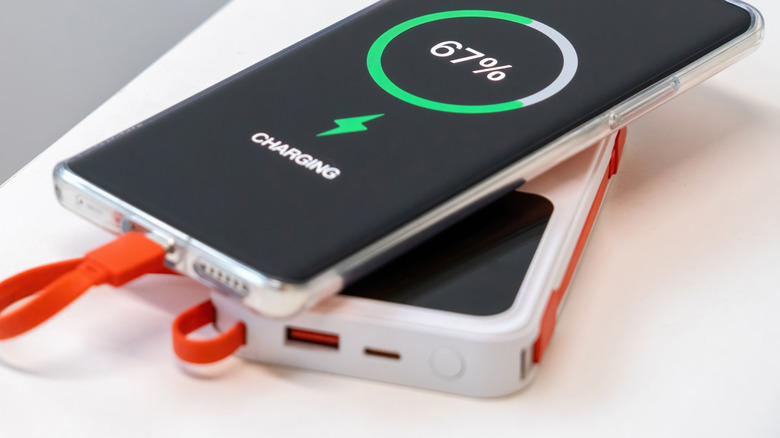
While the E33A recall was a significant setback for the brand, the proactive reannouncement and the move toward higher safety standards suggest a commitment to correcting the issue. For those who enjoy the MagSafe-compatible convenience and the artistic designs Casely offers, the new generation of chargers appears to have solved the critical flaws of the discontinued series.
FAQ
Are Casely power pods safe?
The older Power Pod model E33A is not considered safe and has been recalled due to fire and burn hazards. However, the newer PP240 models and other current smartphone accessories sold by the brand are manufactured to different specifications and include UL-certification, making them safe for consumer use under normal conditions.
Why are all Casely Power Pods sold out?
You may find that specific models appear sold out or are unavailable because the casely power pod discontinued status of the E33A model led to a massive inventory pull. The company halted sales of the defective units while transitioning to the newer, safer PP240 generation to comply with safety standards and the product safety reannouncement.
What happened to Casely Power Pods?
The Power Pod line underwent a major safety recall involving over 400,000 units. After reports of the lithium-ion battery overheating and causing fires, the company worked with the CPSC to remove the E33A model from the market. They have since replaced the line with upgraded hardware that focuses on preventing battery expansion and ignition.
What's better, Casely or Casetify?
The choice between the two often comes down to personal style and specific product needs. Casely is known for its bold, trendy patterns and MagSafe-compatible power banks, while Casetify offers a massive range of customization and high-impact drop protection. In terms of chargers, it is essential to ensure any brand you choose uses UL-certified batteries to avoid risks similar to the casely recall.