Our Top Picks
The best vintage digital cameras to purchase in 2026 include the Fujifilm X100F for its iconic film simulations and the Panasonic Lumix LX100 for its Micro Four Thirds sensor. Other highly sought-after models in the used market are the Sony Cyber-Shot RX100 V and the Canon PowerShot G7X Mark III, both of which offer professional features and tactile controls that modern smartphones lack.
Vintage point-and-shoot cameras are experiencing a resurgence due to their unique color science and the organic image character produced by older CCD sensors. Many photographers choose these used prosumer models for the Y2K aesthetic and the tactile experience of manual dials. These cameras provide a distinct film-like look and superior optical quality compared to the heavily processed images from current flagship mobile devices.
We have entered a fascinating era where the latest smartphone silicon can simulate almost anything, yet it struggles to replicate the soul of a ten-year-old sensor. In 2026, the market for best vintage digital cameras is not just about nostalgia; it is a practical response to a world where new mirrorless cameras are often backordered for months. This supply chain reality, combined with a cultural pivot toward the Y2K aesthetic, has turned the second-hand market into the primary destination for creative tools.
The global vintage camera market was valued at 4.8 billion USD in 2025 and is projected to reach approximately 8.6 billion USD by 2034, driven by a 6.7% compound annual growth rate. This growth reflects a profound shift. We are seeing a generation of photographers who value the physical click of a dial and the unpredictable charm of older color science over the clinical perfection of a mobile phone. If you are looking for a vintage digital camera cheap that still performs, you have to be strategic because the secret is out.
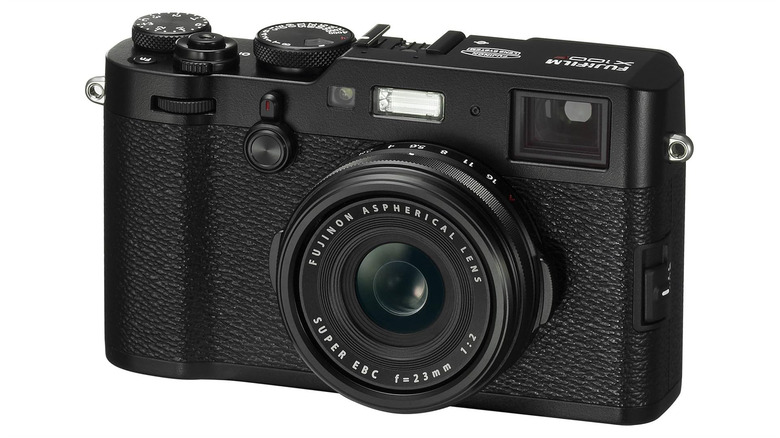
1. Fujifilm X100F: The Gold Standard for Film Simulation
While the photography world obsesses over the latest X100 series updates, savvy shooters are looking back at the Fujifilm X100F. Released in 2017, this model represents the sweet spot of the series. It features the 24.3-megapixel X-Trans CMOS III sensor, which many enthusiasts believe produces a more film-like grain than the higher-resolution sensors found in newer iterations.
The real draw here is the access to Fujifilm recipes. These are custom in-camera settings that allow you to mimic specific film stocks like Kodachrome or Portra 400. For anyone seeking vintage looking digital cameras with film simulations, the X100F is the most competent choice. It offers a dedicated physical ISO dial and an exposure compensation wheel, providing a tactile manual dials experience that makes every shot feel intentional. As the best vintage digital camera for street photography, its leaf shutter is nearly silent, allowing you to capture candid moments without drawing attention.
| Reasons to Buy | Reasons to Avoid |
|---|---|
| Incredible built-in film simulations | Fixed 35mm equivalent lens limits versatility |
| Excellent tactile manual dials | Slower autofocus compared to 2026 standards |
| Compact, timeless rangefinder design | Limited video capabilities |
2. Panasonic Lumix LX100: The Prosumer’s Secret Weapon
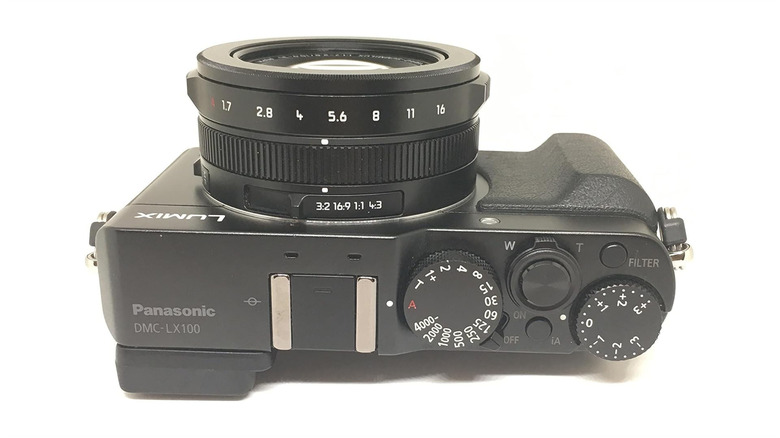
The Panasonic Lumix LX100 is often overlooked, but in 2026, it stands out as one of the most versatile used prosumer point and shoot cameras available. What makes it special is the Micro Four Thirds sensor stuffed into a pocketable body. Coupled with a Leica-branded f/1.7-2.8 lens, it offers a shallow depth of field that smartphones still struggle to fake naturally.
For a vintage digital camera 2000s for beginners, the LX100 offers a masterclass in ergonomics. It has physical rings for aperture and aspect ratio, encouraging you to step away from "Auto" mode. Because it was released in the mid-2010s, its second-hand market pricing is often more reasonable than the inflated Fujifilm or Sony alternatives. It is a fantastic bridge for those who want professional-grade glass without the bulk of a full-frame system.
| Reasons to Buy | Reasons to Avoid |
|---|---|
| Large sensor for its size provides great bokeh | 12.8MP usable resolution is lower than peers |
| Fast f/1.7 Leica lens is superb in low light | Fixed screen doesn't tilt or flip |
| Real manual controls for aperture and shutter | Known for getting dust inside the lens |
3. Fujifilm FinePix F31fd: The King of CCD Character
If you are hunting for the specific Y2K aesthetic, you need to look at the Fujifilm FinePix F31fd. Launched in 2006, this camera is legendary for its 6.3-megapixel Super CCD HR VI sensor. In the mid-2000s, manufacturers pivoted from CCD to CMOS sensors to save costs and improve speed, but they lost something in the process. CCD sensors behave more like film; they have a certain CCD sensor character that handles highlights and skin tones with a softness you won't find in modern tech.
This is a vintage digital camera 2000s in its purest form. It doesn't have Wi-Fi, the screen is tiny, and it uses proprietary xD cards. However, the colors it produces are breathtaking. Photographers looking for the best digital cameras for vintage look often find themselves competing for this specific model on auction sites. It captures a nostalgic, lo-fi vibe that feels authentic because it is authentic. For collectors searching for the best cheap digital cameras with vintage look, the F31fd remains a prize, though prices have bucked the usual depreciation trends.
| Reasons to Buy | Reasons to Avoid |
|---|---|
| Unrivaled color science from the Super CCD sensor | Uses expensive and rare xD-Picture cards |
| Incredible battery life for an old device | 6MP resolution limits large printing |
| Perfect pocketable size for a candid shooting style | Very slow write speeds and menus |

4. Sony Cyber-shot RX100 V: The Ultimate Pocketable EDC
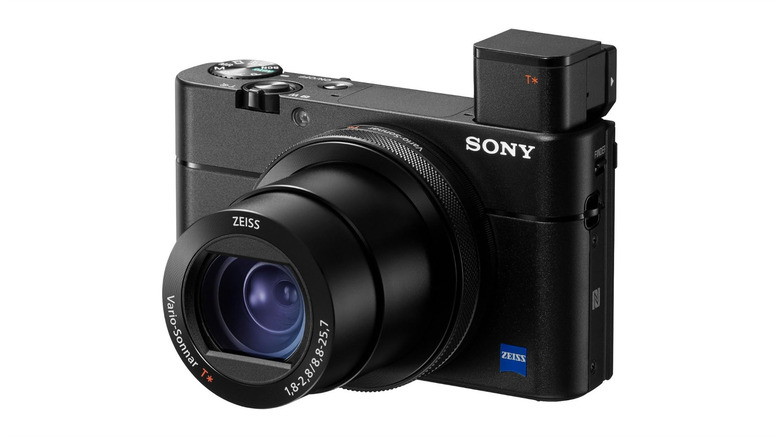
Not every vintage choice has to be lo-fi. The Sony RX100 V is the gold standard for anyone who wants a high-performance everyday carry (EDC) tool. While later versions of the RX100 series moved toward longer zoom lenses, the Mark V kept a faster f/1.8-2.8 lens, which is better for indoor photography and evening outings.
In 2026, many are turning to best vintage digital cameras reddit threads to find tools that can replace their phones. The RX100 V excels here because it offers a large 1-inch sensor and phase-detection autofocus that is still incredibly fast. It allows for a candid shooting style where you can pull it out, snap a professional-quality frame, and slide it back into your jeans pocket. It avoids the over-processed, "HDR-heavy" look of modern mobile photography, giving your images a more grounded, editorial feel.
| Reasons to Buy | Reasons to Avoid |
|---|---|
| Professional-grade autofocus in a tiny body | Battery life is quite short |
| Fast lens is great for night street photography | Menu system is notoriously complex |
| Pop-up electronic viewfinder is a lifesaver | Can get warm during long 4K video clips |
5. Olympus Tough TG-5: The Rugged Vintage Alternative
For those who want a vintage digital camera cheap that can survive a trip to the beach or a hike in the rain, the Olympus TG-5 is a unique contender. While technically a rugged camera, its image processing from the late 2010s has a specific charm. It includes a specialized microscope mode that allows you to take incredible macro shots of textures, sand, or insects that even the best modern smartphones can't replicate without bulky clip-on lenses.
In the 2026 resale value trends, the TG-5 has held its price remarkably well. It is a favorite for travel vloggers who want to add "rough" footage to their montages. The color science is punchy and vibrant, reflecting the Olympus tradition of excellent "out of camera" JPEGs. It is the perfect companion for an active lifestyle where a fragile phone or a 2000-dollar mirrorless camera just isn't practical.
| Reasons to Buy | Reasons to Avoid |
|---|---|
| Waterproof, shockproof, and crushproof | Small sensor means limited low-light performance |
| Best-in-class macro photography features | Images can look a bit "crunchy" in high contrast |
| Shoots RAW for better editing flexibility | Screen is prone to scratches if not protected |
The Buyer’s Survival Guide: Legacy Cards and Batteries
Buying a vintage digital camera 2000s for beginners involves more than just finding a good price on the body. You are often stepping into a world of obsolete technology. Before you buy, check which memory format the camera uses. If it requires an xD-Picture card or a Sony Memory Stick Pro Duo, you will need to budget for an adapter or a specialized card reader. These legacy cards often have a 2GB limit, which is plenty for 6MP photos but tiny by modern standards.
Battery safety is another critical concern. If you are buying a 15-year-old camera, the original lithium-ion battery has likely reached the end of its life. We recommend searching for reputable third-party replacements immediately. Be wary of batteries that look swollen or "puffy," as these are fire hazards. Additionally, consider the second-hand market pricing fluctuations. A camera that was $50 three years ago might be $250 today due to a viral social media trend. Always check the sold listings on major auction sites to ensure you aren't overpaying for hype.
FAQ
Why is Gen Z obsessed with digital cameras?
The obsession stems from a desire for authenticity and a break from the "perfect" but soul-less images produced by smartphone AI. Older digital cameras offer a tactile experience and unique sensor characteristics that naturally produce the grainy, high-flash, and colorful aesthetic popular on social media. They also provide a way to stay "present" at events without being distracted by phone notifications.
Which is the best vintage camera?
The answer depends on your goal. For the absolute best image quality in a classic form factor, the Fujifilm X100F is widely considered the top choice. However, if you want the specific lo-fi look of the early 2000s, a CCD-sensor camera like the Fujifilm FinePix F31fd or a Canon PowerShot from the G-series is arguably better.
What are the most popular brands of old digital cameras?
Fujifilm remains the leader due to its film simulations and retro designs. Sony is highly popular for its compact RX100 and early Cyber-shot models. Canon and Nikon are staples for their reliable prosumer point-and-shoots from the 2000s, while Panasonic Lumix is favored by those who want high-quality Leica lenses in a used package.
Which vintage digital camera is best?
For everyday carry and professional performance, the Sony RX100 V is the best all-rounder. It fits in a pocket, focuses instantly, and delivers files that can be used for professional work. If the goal is artistic expression and "recipes," then the Fujifilm X100F is the superior option for most photographers in 2026.