Our Top Picks
- Xiaomi 17 Ultra: The world's best camera phone for 2026, offering true dslr quality camera phone results with its 1-inch sensor and mechanical zoom.
- iPhone 17 Pro Max: The industry benchmark for mobile cinematography and social media content creation, featuring a revolutionary front-facing camera.
- vivo X300 Pro: The ultimate choice for portrait photography and extreme zoom, powered by massive periscope optics and Zeiss lens coating.
The quest for the top 10 best camera phone in the world has reached a tipping point in 2026. While megapixels once ruled, this year's world best camera phone list is dominated by massive sensors and computational realism. The Xiaomi 17 Ultra is currently the No. 1 camera phone due to its 1-inch sensor and mechanical zoom, outperforming rivals by providing real optical quality across various focal lengths.
10-8: The Best Budget and Midrange Contenders
As we dive into the top 10 best camera phone in the world rankings, we start with the devices that prove you do not need to spend two thousand dollars to get professional results. The gap between mid-range and flagship is narrowing, thanks largely to the evolution of the image signal processor and the democratization of high-end glass.
10. Sony Xperia 5 VII
Sony continues to cater to the purist. The Xperia 5 VII is designed for those who understand manual controls. It features a triple 48MP setup that prioritizes natural skin tones and a zero-lag shutter. However, it sits at number ten because it lacks the aggressive computational photography that casual users rely on for night shots.
Why it isn't ranked higher: Sony’s refusal to lean into AI-driven HDR means the phone requires more effort from the user to get a perfect shot compared to its rivals.
9. Google Pixel 10a
The Pixel 10a is the undisputed champion of value. Google has mastered the art of doing more with less, using its latest Tensor chip to deliver the best budget camera phone under $500 2026. It handles high-contrast scenes better than some phones twice its price. With a 7-year support guarantee, it is a long-term investment for those who prioritize software smarts over massive hardware.
Why it isn't ranked higher: The lack of a dedicated telephoto lens limits its versatility for portraits and distance shots.
8. Xiaomi 17 Lite
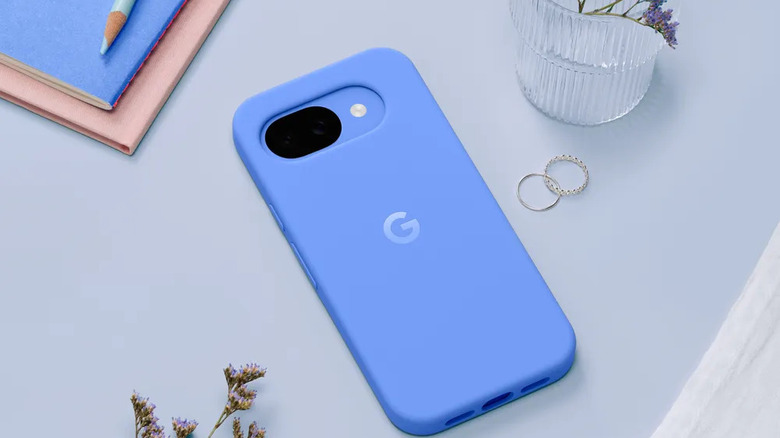
Xiaomi’s entry-level flagship brings a taste of the Leica experience to a wider audience. It uses a smaller version of the Light Fusion sensor found in its bigger brother, providing excellent color science. It is a solid all-rounder that excels in daylight but starts to show noise in very dark environments.
Why it isn't ranked higher: The secondary macro and ultra-wide lenses are a significant step down in quality from the primary sensor.
7-5: Flagship Powerhouses and Social Media Kings
This tier represents the sweet spot for most users. These devices are designed for the person who wants a dslr quality camera phone that fits in a pocket and works instantly for Instagram or TikTok. The smartphone camera module market was valued at approximately USD 38.53 billion in 2024, and the innovation in this segment is the primary reason why.
7. OnePlus 15
OnePlus has finally found its rhythm with Hasselblad color science. The OnePlus 15 is a beast for 4K 120fps video and offers a very distinct, moody aesthetic in its photos. It features a new Zeiss-style coating on its glass to reduce flare, making it one of the best for shooting into the sun.
Why it isn't ranked higher: While the primary camera is elite, the color consistency when switching between the wide and telephoto lenses still lacks the seamless feel of an iPhone.
6. Huawei P90 Pro
Huawei remains a hardware titan, even with its software limitations in some regions. The P90 Pro features a variable aperture that physically moves, allowing for genuine bokeh that AI cannot perfectly replicate. It is arguably the best smartphone camera for night photography 2026 if you ignore the lack of certain global services.
Why it isn't ranked higher: Ongoing software ecosystem hurdles and a slightly over-sharpened look in HDR shots keep it out of the top five.
5. Samsung Galaxy S26 Ultra
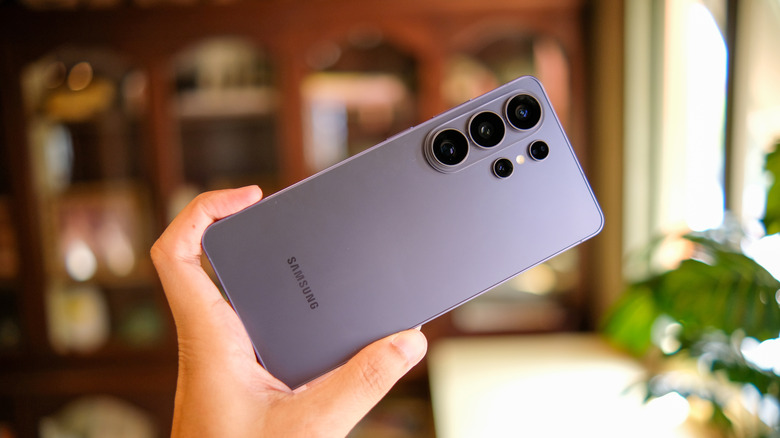
For years, Samsung has been the go-to for the world best camera phone list. The S26 Ultra features a refined 200MP sensor with an adaptive aperture. It is designed to be the best camera phone for instagram and social media, with deep integration into app upload pipelines to ensure your photos don't lose quality when posted. The 100x Space Zoom remains a party trick that no one else has quite perfected, though it is more of a utility than a professional tool.
Why it isn't ranked higher: Samsung still struggles with shutter lag. If you are trying to catch fast-moving subjects like pets or children, you will still see more blur than you would on a Pixel or a Xiaomi.
4-2: The Imaging Elite - Video and Optical Zoom Specialists
The top 10 best camera phone in the world rankings get extremely tight at the top. These three devices are tools for professionals. Whether you are shooting a documentary or a high-end fashion campaign, these phones can realistically replace a dedicated camera in many scenarios.
4. Google Pixel 10 Pro
The Pixel 10 Pro is the gold standard for computational photography. It doesn't have the largest sensor, but its AI processing is so advanced that it produces images with a level of dynamic range that feels impossible. It is the smartest phone on this list, capable of "unblurring" old photos and removing complex distractions with a tap.
Why it isn't ranked higher: The video quality, while improved, still lacks the bitrate and professional color grading options found on the iPhone.
3. iPhone 17 Pro Max
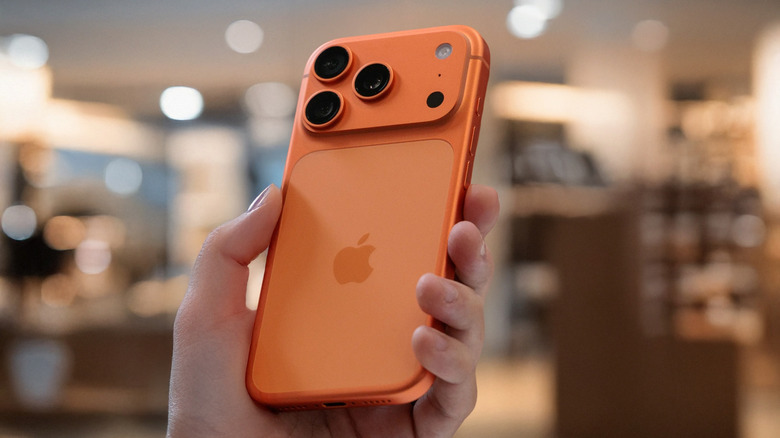
If you are a content creator, this is likely your top 10 best video camera phone in the world choice. Apple has focused on mobile cinematography with ProRes recording and a new 18MP square front camera. This unique front sensor is designed to shoot high-quality video in both portrait and landscape without losing resolution. The transition between lenses is perfectly smooth, making it the most reliable tool for vloggers.
Why it isn't ranked higher: Apple is conservative with hardware. While others are using 1-inch sensors, Apple still relies heavily on software to bridge the gap, which shows in extreme low-light textures.
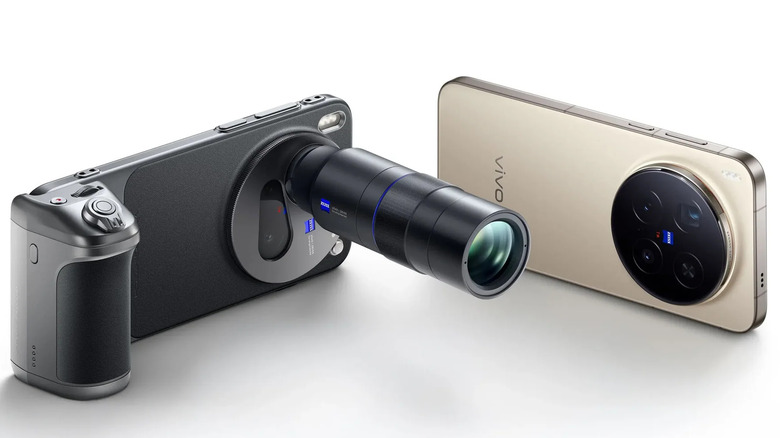
2. vivo X300 Pro
The vivo X300 Pro is a technical marvel. It features a best camera phone with 200mp periscope zoom that uses a floating lens element. This allows for incredible macro shots from a distance, creating a natural depth of field that looks identical to a 100mm portrait lens on a full-frame camera. The Zeiss lens coating is not just a badge; it significantly reduces ghosting in night shots.
Why it isn't ranked higher: The image processing can sometimes be a bit "aggressive," making skin look a little too smooth by default, which clashes with the trend toward computational realism.
Comparison Table: The Top 5 Elite
| Feature | Xiaomi 17 Ultra | vivo X300 Pro | iPhone 17 Pro Max | Pixel 10 Pro | Samsung S26 Ultra |
|---|---|---|---|---|---|
| Primary Sensor | 1-inch 50MP | 1-inch 50MP | 48MP Stacked | 50MP G3 | 200MP Adaptive |
| Telephoto | 200MP Periscope | 200MP Zeiss | 12MP 5x Optical | 48MP 5x Optical | 50MP 10x Optical |
| Video Max | 8K 60fps | 8K 30fps | 4K 120fps ProRes | 8K 30fps | 8K 60fps |
| Key Tech | LOFIC Technology | Floating Macro | 18MP Square Front | AI Magic Editor | Space Zoom 100x |
#1: The Xiaomi 17 Ultra - A New Era of Mobile Hardware
The Xiaomi 17 Ultra is the best camera phone in the world for 2026. It represents a paradigm shift where the hardware finally catches up to the dreams of mobile photographers. By using a 1-inch 50MP primary sensor and a 200MP periscope telephoto lens, Xiaomi has removed the need for the "digital look" that plagues so many smartphones.
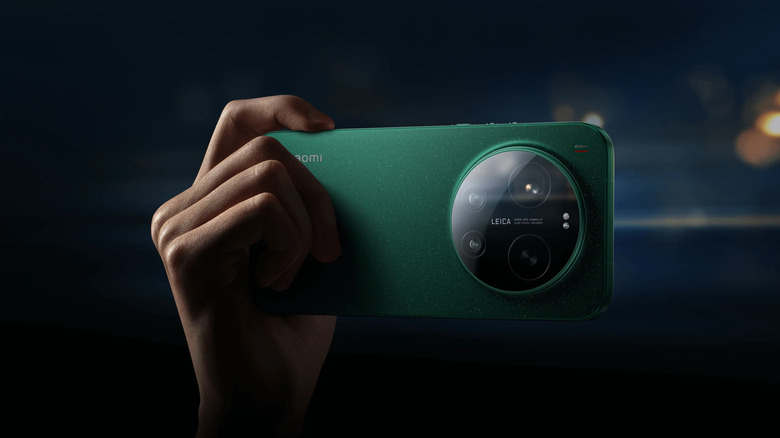
The secret sauce is the Light Fusion 1050L sensor. It utilizes LOFIC technology to capture superior detail and texture in low light. LOFIC, or Lateral Overflow Integration Capacitor, allows the sensor to handle extreme brightness and deep shadows in the same frame without blowing out the highlights. This is the definition of computational realism—using high-end hardware to make the image look like what the human eye actually sees, rather than an over-saturated AI hallucination.
With Leica optics and the ability for RAW image capture at 16-bit, the Xiaomi 17 Ultra is the first phone that truly feels like a pocket-sized DSLR. Whether you are shooting at a 23mm wide angle or using the 120mm periscope for portraits, the focal length versatility is unmatched.
Why it is #1: It offers the highest ceiling for image quality. In the hands of someone who knows how to frame a shot, the results are indistinguishable from professional camera gear.
Technical Reality Check: Understanding 2026 Camera Specs
To understand why the top 10 best camera phone in the world rankings look the way they do, we have to look past the marketing. The global cell phone camera market is projected to grow from USD 36.8 billion in 2025 to USD 62.1 billion by 2032, exhibiting a compound annual growth rate of 7.8%. This growth is fueled by three major pillars:
- Sensor Size vs. Megapixels: A 50MP sensor on a 1-inch plate is infinitely better than a 200MP sensor on a tiny plate. Larger sensors gather more light, which means less noise and better natural blur.
- Computational Realism: In 2026, the trend has moved away from making photos look "pretty" and toward making them look "real." This involves advanced image signal processor algorithms that respect the natural fall-off of light and shadow.
- LOFIC Technology: This is the big winner for 2026. It prevents the "flat" look of HDR by allowing the sensor to store more light data in bright areas, preserving the highlights that usually get clipped in mobile photography.
Technical Sidebar: What is LOFIC? LOFIC stands for Lateral Overflow Integration Capacitor. It is a sensor technology that prevents pixels from "overflowing" when exposed to bright light. This results in a massive increase in dynamic range, especially in difficult lighting like sunsets or neon-lit night streets.
FAQ
Which is the world no. 1 camera phone?
The Xiaomi 17 Ultra is currently the world no. 1 camera phone. It earns this title through its combination of a massive 1-inch sensor, Leica-engineered optics, and the implementation of LOFIC technology which provides unmatched dynamic range and professional-grade image quality.
Which cell phone has the highest quality camera?
The Xiaomi 17 Ultra and the vivo X300 Pro share the crown for the highest physical hardware quality. However, for users who prioritize video and social media integration, the iPhone 17 Pro Max is often considered to have the highest quality for consistent, daily production use.
What is the best camera phone?
The best camera phone depends on your needs. For pure photography, the Xiaomi 17 Ultra is the winner. For video and vlogging, the iPhone 17 Pro Max is the best. For those on a budget who still want elite photo processing, the Google Pixel 10a is the top choice for 2026.
Which mobile brand has the best camera quality?
Xiaomi, Apple, and vivo are currently leading the market in terms of raw camera quality. Xiaomi and vivo lead in hardware innovation and sensor size, while Apple remains the leader in video stabilization and color consistency across multiple lenses.
Which phone has the most beautiful camera in the world?
The vivo X300 Pro is often cited as having the most beautiful camera output due to its partnership with Zeiss. It produces a distinct "Zeiss Look" characterized by smooth bokeh, vibrant yet natural colors, and high contrast that mimics the aesthetic of classic cinema lenses.