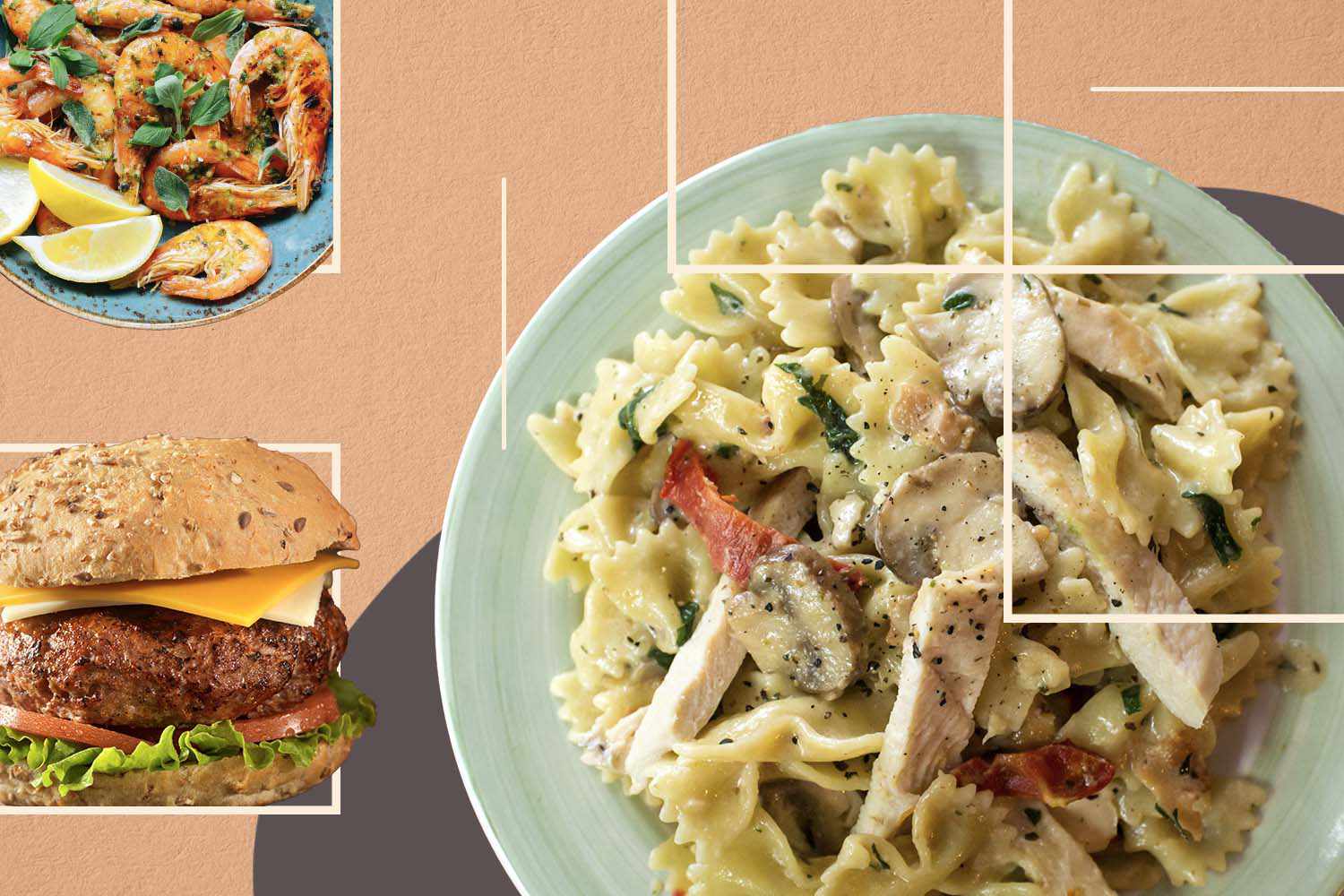
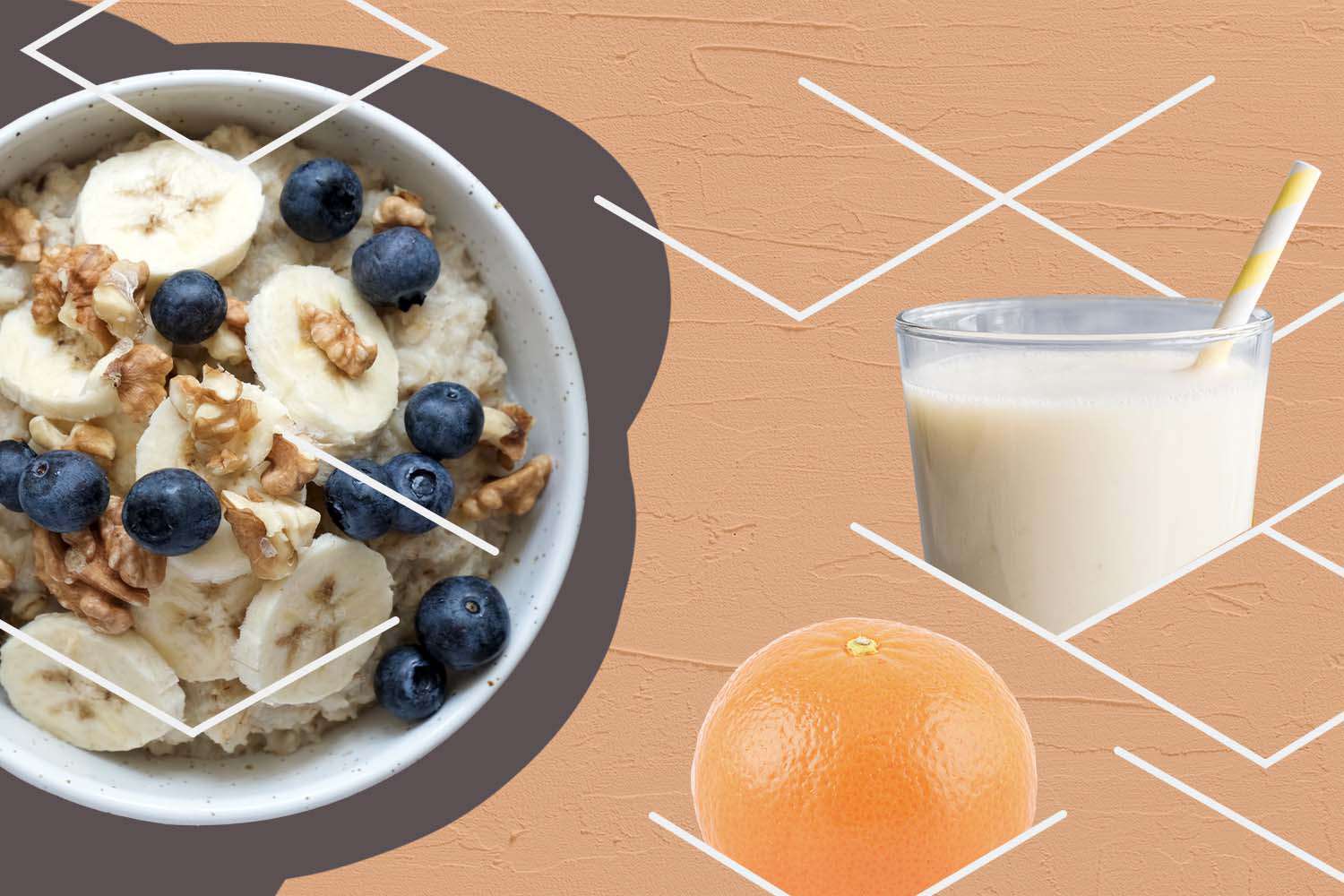
Imagine reclaiming nearly half of your kitchen time while consuming 60% more high-quality protein. It sounds like a lofty promise from a trendy fitness infomercial, but in the world of nutrition science, it is a measurable reality. By transitioning to a structured Paleo meal prep strategy, you are not just changing your grocery list; you are optimizing your biological "operating system." As a nutrition editor, I’ve spent years translating complex dietary research into actionable plans, and the data consistently points to one truth: the more we simplify our intake to match our ancestral roots, the more efficiently our bodies perform.
The Paleo diet, often referred to as the "Hunter-Gatherer" diet, focuses on the whole foods that were available to our ancestors before the dawn of agriculture. This means emphasizing lean meats, wild-caught fish, fruits, vegetables, nuts, and seeds. Conversely, it requires a strict exclusion of modern processed foods, including grains (wheat, corn, rice), legumes (beans, peanuts, lentils), dairy, and refined sugars. While this might sound restrictive at first glance, it is actually a framework for abundance, prioritizing nutrient density over caloric emptiness.
Reclaiming Your Health: The Power of Ancestral Eating
At its core, the Paleo philosophy is built on the logic of evolutionary biology. Our genetic makeup has changed very little in the last 10,000 years, yet our food environment has been transformed by industrial processing. By stripping back your diet to nutrient-dense whole foods, you reduce the intake of anti-nutrients like phytates found in grains and the inflammatory markers often associated with refined sugars and processed seed oils.
What can you eat on a Paleo diet? To succeed, focus your shopping cart on high-quality proteins (grass-fed beef, poultry, pork, and seafood), a rainbow of fibrous vegetables, healthy fats from avocados and olives, and modest portions of fruit and nuts. By removing the "filler" foods like bread and pasta, you naturally increase your intake of vitamins, minerals, and antioxidants that are often sidelined in the Standard American Diet.

Transitioning to this way of eating provides a reset for your insulin sensitivity and gut health. Because you are eliminating the heavy glycemic load of refined carbohydrates, many people report more stable energy levels throughout the day, eliminating the "afternoon slump" that often follows a grain-heavy lunch.
The Efficiency Factor: Why Prep Matters
One of the biggest hurdles to any dietary change is the friction of daily decision-making. When you are tired after work, a bag of pasta is an easy out. This is where Paleo meal prep becomes your secret weapon. Is a Paleo diet good for meal planning? Absolutely. Because the diet relies on versatile, sturdy whole-food ingredients like roasted root vegetables and grilled proteins, the food holds up remarkably well when stored, unlike processed meals that become soggy or lose their texture.
The benefits are backed by more than just anecdotal evidence. A structured 7-day Paleo meal plan provides an average of 130g of protein daily, which is approximately 62% higher than the Recommended Dietary Allowance (RDA) for the average sedentary adult. This high protein intake is crucial for maintaining muscle mass and promoting satiety, making it easier to stick to your goals without feeling deprived. Furthermore, utilizing batch-cooking techniques for a 7-day Paleo menu can reduce active kitchen time by up to 45% compared to preparing individual meals daily. You aren't just eating better; you're buying back your time.
The 'Sunday Success' Framework: How to Start
The secret to a seamless week lies in your "Sunday Success" routine. How do I start Paleo meal prep? You begin by transforming your kitchen environment and tackling the most time-consuming tasks before the work week begins.
First, perform a "Kitchen Makeover." Replace inflammatory vegetable oils with stable, healthy fats like avocado oil for high-heat cooking and extra virgin olive oil for dressings. Clear out the soy sauce and replace it with coconut aminos—a savory, Paleo-compliant alternative made from coconut sap. Ensure you have plenty of almond butter or cashew butter on hand to serve as quick fat sources and flavor boosters.
Once your pantry is set, focus on the "Big Three" prep tasks:
- Batch-Cook Proteins: Roast two whole chickens or grill several pounds of steak and salmon. Having these ready to go means your "active" dinner time is just minutes.
- Pre-cut Vegetables: Chop your kale, broccoli, and bell peppers. Peel and cube your sweet potatoes.
- Homemade Sauces: Paleo eating thrives on flavor. Whip up a batch of lemon-tahini dressing or a compliant pesto (sans cheese) to keep your meals from feeling repetitive.
Paleo vs. Non-Paleo Staples: A Comparison
| Category | Paleo Staple | Non-Paleo Swap |
|---|---|---|
| Cooking Oil | Avocado or Coconut Oil | Vegetable or Canola Oil |
| Seasoning | Coconut Aminos | Soy Sauce (contains wheat/soy) |
| Flour | Almond or Coconut Flour | All-purpose Wheat Flour |
| Sweetener | Raw Honey or Maple Syrup | Refined White Sugar |
| Side Dish | Cauliflower Rice | White or Brown Rice |
| Dairy | Full-fat Coconut Milk | Cow's Milk or Cream |
Your Essential 7-Day Paleo Meal Plan
This plan is designed to hover around 2,000 calories per day, depending on portion sizes, focusing on high satiety and nutrient density.
Phase 1: The Foundation (Days 1-2)
The first two days focus on utilizing your freshly prepped batch proteins to establish a rhythm.
- Breakfast: Scrambled eggs with half an avocado and two slices of nitrate-free bacon.
- Lunch: Grilled chicken spinach salad with walnuts, sliced strawberries, and a balsamic vinaigrette.
- Dinner: Baked cod with a medium roasted sweet potato and a generous portion of steamed broccoli.
- Macros: ~135g Protein | ~90g Fat | ~85g Net Carbs
Phase 2: Building Momentum (Days 3-4)
By mid-week, we switch to more convenient formats to accommodate your busiest days.
- Breakfast: Paleo smoothies made with a green apple, handful of kale, unsweetened almond milk, and a scoop of collagen or egg white protein powder.
- Lunch: Leftover roasted chicken salad mixed with avocado-based mayonnaise and served in large romaine lettuce "boats."
- Dinner: Beef stir-fry using pre-cut frozen vegetables, ginger, garlic, and coconut aminos over a bed of cauliflower rice.
- Macros: ~125g Protein | ~95g Fat | ~75g Net Carbs
Phase 3: The Mid-Week Reset (Day 5)
Day 5 introduces some variety in texture to prevent "palate fatigue."
- Breakfast: Almond meal pancakes (eggs, almond flour, mashed banana) topped with fresh blueberries.
- Lunch: Canned wild-caught white tuna served over mixed greens with sunflower seeds and a lemon-olive oil dressing.
- Dinner: Grilled sirloin steak with a side of steamed mixed vegetables tossed in ghee or coconut oil.
- Macros: ~140g Protein | ~105g Fat | ~60g Net Carbs
Phase 4: Seamless Finishing (Days 6-7)
We wrap up the week by using the last of our prepped veggies and quick-cook ground meats.
- Breakfast: Vegetable frittata made with leftover veggies and a splash of coconut milk for creaminess.
- Lunch: Baked salmon with roasted butternut squash (prepped on Sunday).
- Dinner: Ground turkey sautéed with spaghetti squash and a Paleo-compliant tomato sauce (check for no added sugar).
- Macros: ~130g Protein | ~85g Fat | ~90g Net Carbs
Smart Snacking: Keeping the Cravings at Bay
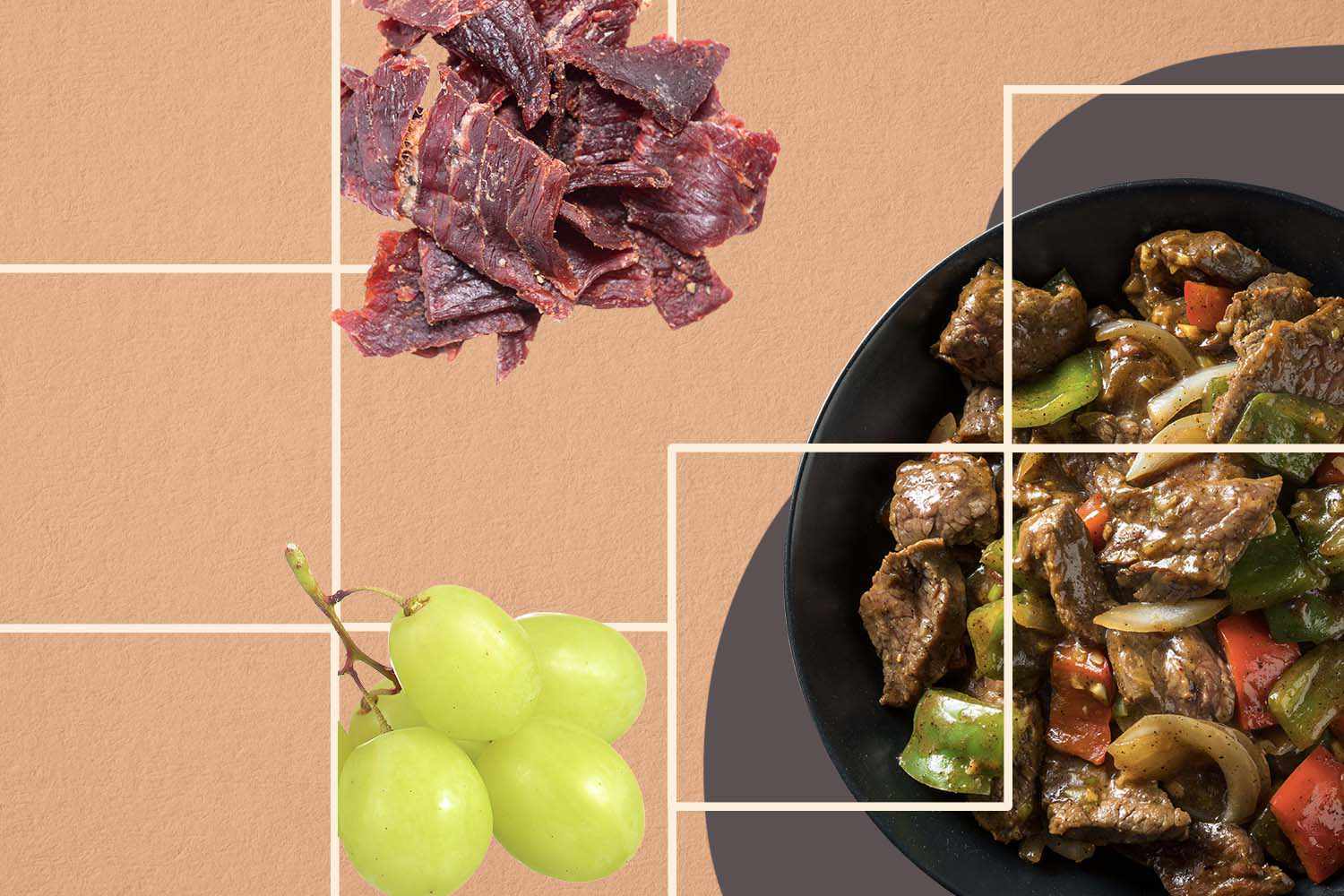
While the goal of a high-protein Paleo diet is to keep you full between meals, life happens. Cravings are often just your body asking for more salt or fat. Instead of reaching for processed "Paleo-labeled" cookies, stick to whole-food snacks. Beef jerky (ensure it is sugar-free), hard-boiled eggs, and grain-free crackers made from seeds are excellent options that maintain your metabolic momentum.
Expert Tip: Follow the 80/20 principle for long-term sustainability. If you are 100% strict during the week, a small non-Paleo indulgence on the weekend won't derail your progress. The goal is a lifestyle, not a prison sentence.
FAQ
Q: Will I get enough calcium without dairy? A: Yes. Many Paleo-friendly foods are rich in calcium, including canned bone-in sardines, kale, broccoli, and almonds. Because the Paleo diet is lower in sodium and avoids inflammatory grains, your body actually retains calcium more efficiently than on a traditional diet.
Q: Is the Paleo diet too expensive? A: While grass-fed meats can be pricier, you save significantly by eliminating packaged snacks, sodas, and eating out. Buying frozen vegetables and bulk nuts can further reduce the cost. Think of it as investing in your health now to save on medical costs later.
Q: Can I do Paleo if I am a vegetarian? A: It is challenging, as Paleo relies heavily on animal proteins for amino acids. However, a "Pegan" (Paleo-Vegan) approach focuses on nuts, seeds, and specific legumes that are soaked or sprouted to reduce anti-nutrients, though this deviates from "strict" Paleo.
Take the First Step Toward Optimal Health
Mastering your kitchen is the first step toward mastering your health. By adopting this 7-day grain-free plan, you are giving your body the nutrient-dense fuel it was designed to burn. Don't wait for "next Monday." Start your Sunday Success routine this weekend and feel the difference that 130g of daily protein and a grain-free lifestyle can make for your energy and focus.