We have all been there: it’s 6:30 PM on a Tuesday, your energy is flagging after a marathon of back-to-back meetings, and the "resolution" to eat healthier feels like an insurmountable chore. The common misconception is that transitioning to a whole-food, plant-based diet requires a personal chef or a five-hour Sunday commitment to chopping kale. In reality, the bridge between your wellness goals and your busy 2026 schedule is built on a foundation of "smart" ingredients—minimal-prep whole foods that do the heavy lifting for you.
Plant-based eating doesn’t have to be time-consuming or difficult, and as a nutrition editor, I am here to prove it to you. By focusing on nutrient-dense shortcuts like canned legumes, pre-washed greens, and quick-cooking grains, you can assemble vibrant, health-optimizing meals in less time than it takes for a delivery driver to find your front door. The secret isn't in the complexity of the recipe; it’s in the strategy of the assembly.
The Minimal Prep Pantry: 7 Essential Foundations
Before we dive into the recipes, we must address the "Pantry Architecture." To minimize daily friction, you need a core set of ingredients that require little to no heat. Research consistently shows that the best plant-based foods for minimal prep are those that are shelf-stable or pre-processed in their whole form. Canned beans (black, kidney, garbanzo), dry red lentils (which cook in 15 minutes without soaking), and chia seeds are nutritional powerhouses that demand zero "active" prep time.
How can you further reduce prep time? I recommend a "Starches-First" rule. By roasting a large tray of seasonal vegetables or making a large batch of quinoa or brown rice on a Sunday evening, you create a modular system. You aren't "cooking" during the week; you are simply "assembling." Opting for pre-washed greens and frozen edamame can also shave 15 to 20 minutes off your daily kitchen routine.
The Essential Minimal-Prep Shopping Checklist
| Category | Must-Have Item | Nutritional Power |
|---|---|---|
| Proteins | Low-sodium canned chickpeas/beans | High fiber & satiety |
| Grains | Pre-cooked or "10-minute" Quinoa | Complete plant protein |
| Healthy Fats | Hemp hearts or Chia seeds | Omega-3 fatty acids |
| Base | Pre-washed baby spinach or arugula | Folate and Vitamin K |
| Flavor | Tahini or Nut Butters | Healthy monounsaturated fats |
| Convenience | Frozen riced cauliflower/broccoli | Low-calorie volume |
| Speed | Red lentils (split) | Rapid-cook plant protein |
7 Must-Try Recipes with Under 10 Minutes of Active Prep
These recipes are designed for the modern professional. They prioritize "The Assembly Method"—using whole, minimally processed ingredients that require almost no knife work or long simmering times.
1. The 5-Minute Black Bean & Avocado Wrap
This is the ultimate "emergency" lunch. By using canned black beans and pre-washed greens, you eliminate the need for a stove entirely. The fiber from the beans combined with the monounsaturated fats in the avocado creates a "satiety anchor" that prevents the mid-afternoon energy crash.
- Prep vs. Cook Time: 5 mins / 0 mins
- Nutritional Snapshot: 420 Calories | 15g Protein | 18g Fiber
The Assembly: Spread a quarter of a mashed avocado onto a sprouted whole-grain tortilla. Top with a half-cup of rinsed canned black beans, a handful of baby spinach, and two tablespoons of chunky salsa. Roll it up and enjoy. The acidity in the salsa acts as a natural "dressing" without the need for added oils.
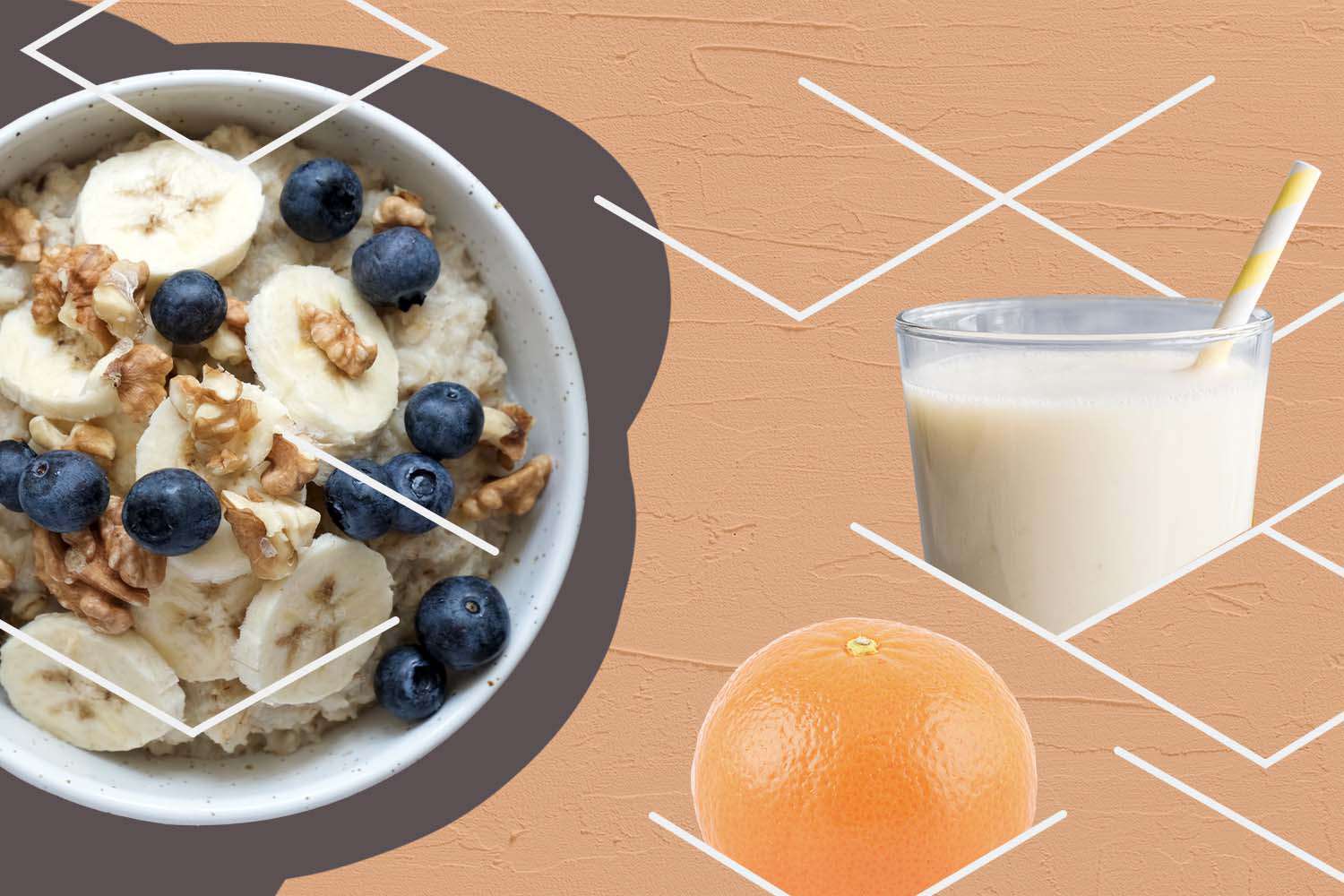
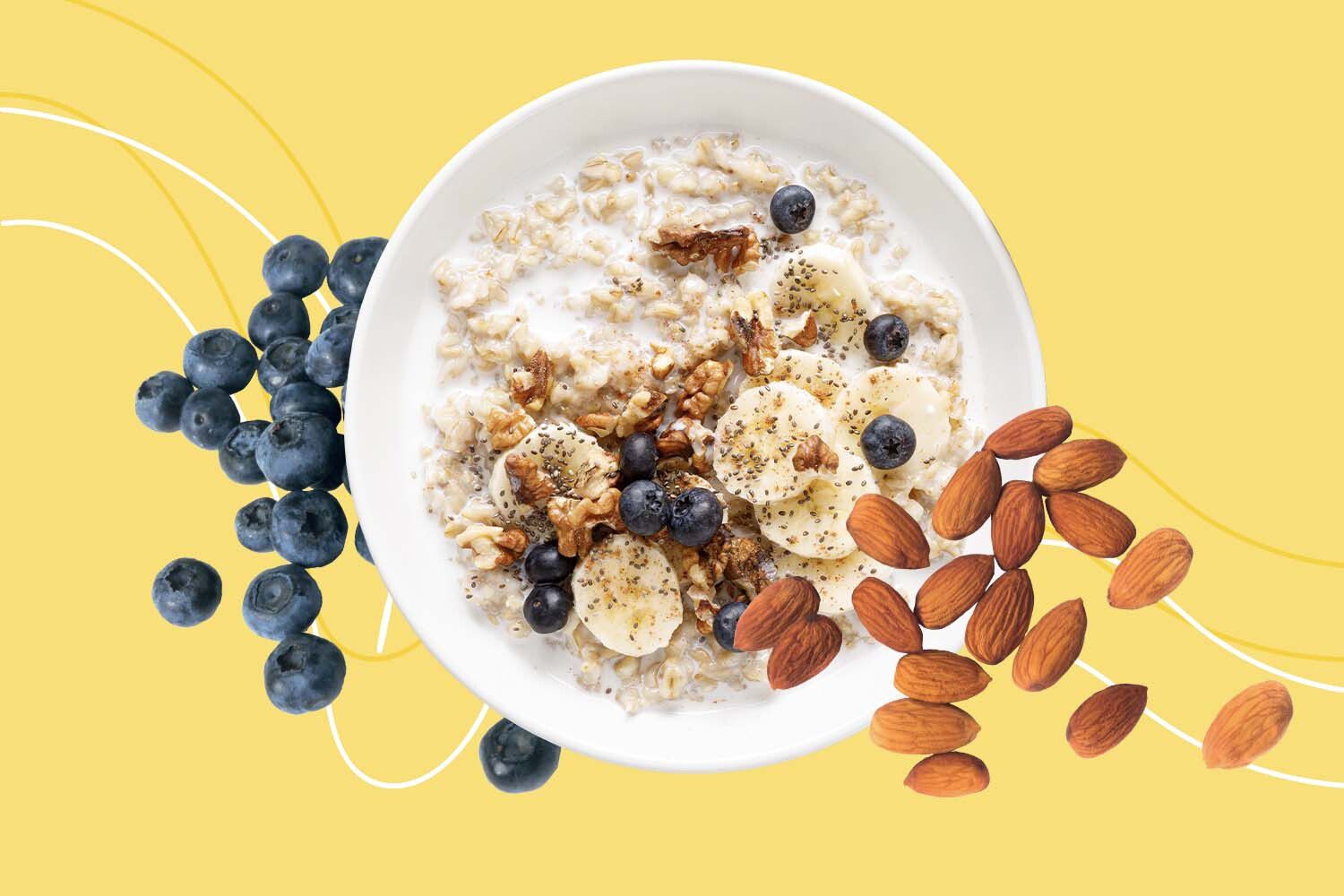
2. Savory Overnight Oats (The Breakfast Game-Changer)
Most people associate oats with sugar and fruit, but savory oats are a nutritional revelation. They provide a slow-burning carbohydrate source that keeps blood sugar stable throughout the morning.
- Prep vs. Cook Time: 2 mins (night before) / 0 mins
- Nutritional Snapshot: 380 Calories | 14g Protein | 9g Fiber
The Assembly: In a mason jar, combine 1/2 cup rolled oats, 1 tablespoon chia seeds, 1 tablespoon nutritional yeast (for a cheesy flavor), and a pinch of sea salt. Add 1 cup of unsweetened almond milk. In the morning, top with a few halved cherry tomatoes and a sprinkle of hemp hearts.
3. Mediterranean Quinoa Power Bowl
Using pre-cooked quinoa (available in many health food stores in vacuum-sealed pouches) makes this a zero-cook meal. Research suggests that incorporating legumes like chickpeas can significantly reduce long-term markers of inflammation and improve digestive health.
- Prep vs. Cook Time: 7 mins / 0 mins
- Nutritional Snapshot: 450 Calories | 18g Protein | 12g Fiber
The Assembly: Combine 1 cup of pre-cooked quinoa with 1/2 cup of rinsed canned chickpeas. Toss in a handful of pre-chopped cucumbers (many grocers sell these pre-sliced) and a spoonful of kalamata olives. Drizzle with a simple tahini-lemon dressing (whisk 1 tbsp tahini with 1 tsp lemon juice).
4. Sheet-Pan 'Dump' Roasted Vegetables & Tofu
The "dump" method is a favorite among my clients. You simply empty bags of pre-cut frozen vegetables onto a tray with cubed tofu. Frozen vegetables are often more nutrient-dense than fresh ones because they are flash-frozen at peak ripeness.
- Prep vs. Cook Time: 5 mins / 25 mins (passive)
- Nutritional Snapshot: 350 Calories | 22g Protein | 10g Fiber
The Assembly: Toss a bag of frozen "Stir-fry" or "Mediterranean" vegetable mix with a block of firm tofu (tore into chunks with your hands—no knife needed!). Season with garlic powder and smoked paprika. Roast at 400°F (200°C) until the edges are crisp.
Emily’s Pro-Tip: Don't bother pressing the tofu for sheet-pan meals. The high heat of the oven will evaporate the moisture naturally, giving you a chewy, satisfying texture with zero prep effort.
5. 3-Ingredient Peanut Noodle Salad
When you need comfort food fast, this is the answer. Soba noodles (buckwheat) or brown rice noodles cook in under 5 minutes and provide a gluten-free, high-fiber base.
- Prep vs. Cook Time: 5 mins / 5 mins
- Nutritional Snapshot: 480 Calories | 16g Protein | 7g Fiber
The Assembly: Boil the noodles and add a handful of frozen edamame to the water for the last 2 minutes of cooking. Drain and toss with a tablespoon of natural peanut butter and a splash of low-sodium tamari. If the sauce is too thick, add a tablespoon of the hot pasta water to thin it out.
6. Chia Seed Berry Compote Pudding
This serves as both a high-protein breakfast and a nutrient-dense dessert. Chia seeds are one of the best sources of plant-based Omega-3 fatty acids, which are crucial for brain health and reducing systemic inflammation.
- Prep vs. Cook Time: 3 mins / 0 mins
- Nutritional Snapshot: 290 Calories | 10g Protein | 15g Fiber
The Assembly: Mix 3 tablespoons of chia seeds with 1 cup of soy milk (soy has the highest protein content of plant milks). Stir in a half-cup of frozen mixed berries. As the berries thaw in the fridge, they release their juices, creating a natural, sugar-free "compote" that marbles through the pudding.
7. Red Lentil 'Instant' Soup
Red lentils are the "secret weapon" of the plant-based world because they disintegrate when cooked, creating a thick, creamy soup without the need for a blender.
- Prep vs. Cook Time: 2 mins / 15 mins
- Nutritional Snapshot: 310 Calories | 19g Protein | 11g Fiber
The Assembly: Add 1/2 cup of dry red split lentils to 2 cups of vegetable broth in a small pot. Add a teaspoon of curry powder. Simmer for 15 minutes. Stir in a handful of pre-washed kale at the very end until wilted.
Scientific data supports this eating pattern; individuals who follow a plant-based diet that includes occasional fish show a 43% reduced risk of colorectal cancer compared to non-vegetarians. Even for those going 100% plant-based, the high fiber content of lentils is a primary driver in cancer prevention and cardiovascular health.
Beyond the Plate: Why Your Prep Choices Matter
Choosing a plant-based lifestyle is a dual-purpose decision: it optimizes your internal biology while simultaneously protecting our external environment. Shifting from a standard Western diet—characterized by high intakes of processed meats and refined sugars—to a plant-based eating pattern can reduce individual greenhouse gas emissions by as much as 70%.
Furthermore, plant-based diets significantly lower water and land usage. For every gallon of water used to produce a pound of beef, you could produce nearly 30 pounds of lentils. When you choose a "Minimal Prep" whole-food approach, you are also reducing the waste associated with highly packaged, ultra-processed convenience foods. You aren't just saving time; you are contributing to a more sustainable global food system.
Professional Tips for Long-Term Success
To make these habits stick, you must adopt the "Don't Cook Everything" philosophy. In my years of clinical nutrition practice, I’ve found that the most successful "plant-based pros" are those who gracefully integrate high-quality prepared foods. There is no shame in buying pre-chopped onions or pre-cooked lentils.
- Supplement Wisely: While a whole-food plant-based diet is nutrient-dense, you must be diligent about Vitamin B12, Vitamin D, and Iron. B12 is not naturally occurring in plants, so look for fortified nutritional yeast or a high-quality supplement.
- The "Base + Additive" Formula: Don't look for complex recipes. Look for a base (quinoa, oats, greens), add a protein (beans, tofu, lentils), and finish with a healthy fat (nuts, seeds, avocado).
- Manage Your "Food Environment": If the canned beans are at eye level and the kale is already washed, you will eat them. Spend 10 minutes when you get home from the store "prepping the environment" rather than "prepping the food."
Explore More Evidence-Based Nutrition Guides →
FAQ
Q: Will I get enough protein on a minimal-prep plant-based diet? A: Absolutely. By centering your meals around "high-yield" legumes like lentils, chickpeas, and black beans, as well as seeds like hemp and chia, you can easily meet or exceed the RDA for protein. For example, the Red Lentil Soup and the Tofu Sheet-Pan meal both provide over 20g of protein per serving.
Q: Is "minimal prep" more expensive? A: Paradoxically, it’s often cheaper. Dry lentils, canned beans, and frozen vegetables are among the most cost-effective items in the grocery store. The "cost" is shifted from your wallet to a small amount of organization.
Q: Can I still eat plant-based if I don't like beans? A: While beans are a staple, you can rely on tofu, tempeh, quinoa, and nuts/seeds. However, I often find that people who "don't like beans" simply haven't tried them in quick, flavorful formats like the Peanut Noodle Salad (using edamame) or the Savory Oats.
Conclusion & Next Steps
Transitioning to a plant-forward way of life doesn't require a total kitchen overhaul or hours of labor. By leveraging the power of whole-food foundations—those 5-minute heroes like canned beans, frozen greens, and quick-cooking grains—you can reclaim your health without sacrificing your schedule.
Start small: pick just two of the recipes above to try this week. Whether it’s the 5-minute black bean wrap for lunch or the savory overnight oats for a busy Wednesday morning, these small shifts accumulate into significant biological wins. Remember, the goal isn't perfection; it's consistent, nutrient-dense progress.