Quick Facts
- Definition: A pescatarian diet is a plant-based eating pattern that includes seafood, eggs, and dairy but excludes red meat and poultry.
- Environmental Impact: Research indicates that fish-eaters' diets generate approximately 46% fewer greenhouse gas emissions than meat-heavy diets.
- Protein Profile: A well-structured 2,000-calorie pescatarian plan typically provides between 70g and 99g of high-quality protein daily.
- Core Focus: Whole grains, legumes, healthy fats, and high-omega-3 seafood.
If you’ve ever felt caught between the ethical pull of plant-based eating and the physiological need for high-quality, lean protein, you are not alone. As a nutrition editor, I frequently speak with readers who want to lower their carbon footprint without sacrificing the muscle-sparing benefits of animal protein. This is where the pescatarian diet shines. It is, quite literally, the "best of both worlds." By centering your plate on vibrant plants and supplemental seafood, you aren't just eating for your own longevity—you’re participating in a global movement. Research shows that switching to a pescatarian lifestyle can reduce your dietary greenhouse gas emissions by up to 46% compared to meat-centric diets.
But beyond the ethics, there is the sheer culinary joy. Transitioning to this lifestyle isn't about restriction; it’s about expansion. It’s about discovering the delicate flake of a perfectly steamed cod or the umami-rich sear of a tuna steak. In this guide, we will explore seven signature recipes designed to make your transition seamless, followed by a comprehensive 7-day meal plan that proves you can meet your protein goals—reaching upwards of 99g per day—without ever touching a piece of poultry.
The Health Science: Why Your Body Craves Omega-3s and Lean Protein
The true power of the pescatarian diet lies in its unique nutrient density. While a standard vegetarian diet is excellent for fiber and antioxidants, the inclusion of seafood introduces two critical components: long-chain Omega-3 fatty acids (EPA and DHA) and complete, highly bioavailable proteins. These fatty acids are the building blocks of brain health and cardiovascular resilience. They act as natural anti-inflammatories, helping to soothe everything from joint pain to the micro-inflammation associated with modern stress.
Many of my clients worry about protein deficiency when they drop red meat. However, the data tells a different story. A structured 2,000-calorie pescatarian meal plan provides a robust nutritional profile, typically delivering between 70g and 99g of high-quality protein daily. This is more than enough to support active lifestyles, muscle synthesis, and satiety. By leveraging seafood like salmon, tuna, and shrimp alongside plant-based powerhouses like lentils and chickpeas, you create a metabolic environment that is both lean and energized.
Nutritionist's Tip: When selecting seafood, aim for the "SMASH" list (Salmon, Mackerel, Anchovies, Sardines, and Herring) at least twice a week. These species are highest in Omega-3s and lowest in mercury, providing the ultimate nutritional "bang for your buck."
7 Signature Pescatarian Recipes for Any Skill Level
The key to a successful dietary shift is flavor. If the food doesn't taste like a "textural powerhouse," you won't stick with it. These seven recipes have been selected for their nutritional balance, ease of preparation, and sensory appeal.
1. Oven-Baked Salmon en Papillote with Fresh Herbs
This is the secret to reliably moist fish and zero cleanup. By folding a salmon fillet into a parchment paper pouch with lemon slices, asparagus, and fresh dill, you create a mini-steam chamber.
- The Benefit: The fish steams in its own juices, meaning you need very little added fat.
- Cleanup Factor: Zero pans to scrub—just toss the parchment when you’re done.
2. Loaded Shrimp Burrito Bowls
A 30-minute meal-prep hero. Sauté shrimp with cumin and smoked paprika, then layer them over a bed of cilantro-lime brown rice, black beans, and a generous scoop of avocado.
- The Benefit: High fiber from the beans combined with the lean, quick-cooking protein of shrimp.
3. Mediterranean Sea Bass with Feta & Olives
A restaurant-quality skillet meal that comes together in 20 minutes. The saltiness of the olives and the creaminess of the feta elevate the mild, buttery flavor of the sea bass.
- The Benefit: Rich in healthy monounsaturated fats from the olives and olive oil.
4. 3-Ingredient Greek Yogurt Tuna Salad
Forget the heavy mayo-laden tuna salads of the past. Use canned albacore tuna, plain Greek yogurt, and Dijon mustard for the ultimate high-protein office lunch.
- The Benefit: Greek yogurt adds a probiotic boost and doubles the protein content of the dressing.
5. Sheet Pan Cod & Roasted Root Vegetables
Minimal effort, maximal fiber. Toss cubes of sweet potato, carrots, and cod fillets in olive oil and lemon zest. Roast everything on one pan until the vegetables are caramelized and the fish is opaque.
- The Benefit: A complete meal with complex carbohydrates to keep blood sugar stable.
6. Crispy Whole Branzino with Thai Dipping Sauce
For when you want to impress. Roasting a whole fish preserves the flavor and moisture better than fillets. Serve with a "zingy" sauce made of lime juice, fish sauce, chili, and cilantro.
- The Benefit: Provides skin-on nutrients and collagen.
7. Tuna Sashimi with Fennel Apple Salad
A light, refreshing, and high-omega-3 dinner. Thinly slice sushi-grade tuna and pair it with a crunchy salad of shaved fennel and Granny Smith apples dressed in ginger-soy vinaigrette.
- The Benefit: A perfect low-calorie, high-nutrient option for warm evenings.
The 7-Day Pescatarian Meal Plan (2,000 Calories/Day)
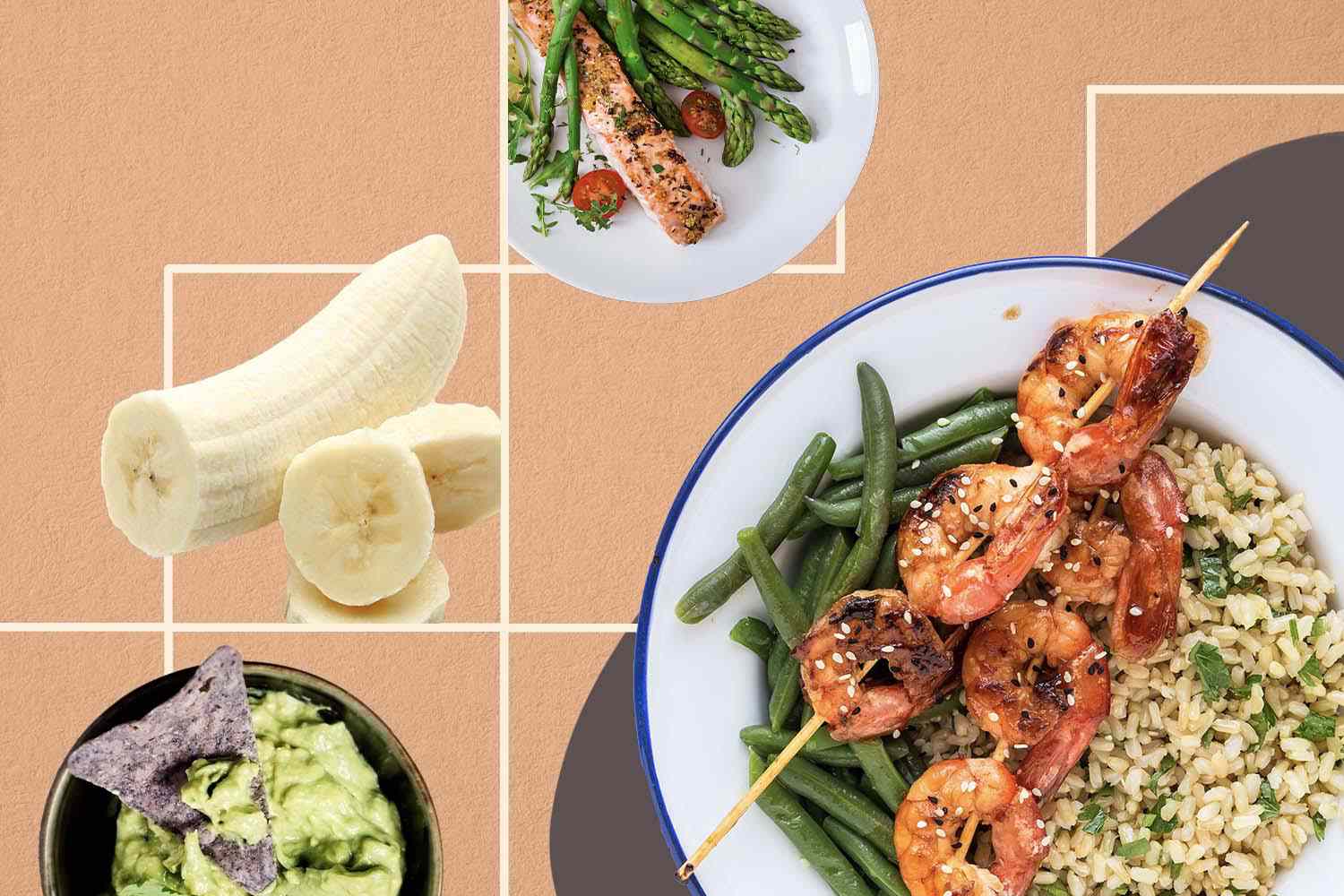
To make your transition seamless, we use the "Overlapping Component" strategy. The key to a stress-free week isn't making seven different meals, but repurposing three versatile proteins. For example, batch-cook seasoned shrimp on Sunday; use half for Monday’s burrito bowls and the other half for Wednesday’s grain bowls.
| Day | Breakfast | Lunch | Dinner | Snacks (3x daily) | Total Macros (Approx) |
|---|---|---|---|---|---|
| Mon | Overnight oats with chia seeds & berries | Greek Yogurt Tuna Salad on whole-grain wrap | Oven-Baked Salmon en Papillote | Apple/Almond butter, Edamame, Walnuts | 2000 Cal / 95g P / 210g C / 78g F |
| Tue | Two poached eggs on avocado toast | Leftover Salmon over mixed greens | Loaded Shrimp Burrito Bowl | Greek yogurt, Hummus/Carrots, Pear | 1980 Cal / 92g P / 195g C / 82g F |
| Wed | Spinach & Feta Omelet | Shrimp & Quinoa Grain Bowl | Mediterranean Sea Bass | Pumpkin seeds, Cottage cheese, Orange | 2010 Cal / 98g P / 185g C / 85g F |
| Thu | Greek yogurt with walnuts & honey | Leftover Sea Bass with roasted veg | Sheet Pan Cod & Root Vegetables | Hard-boiled egg, Berries, Almonds | 1950 Cal / 88g P / 200g C / 75g F |
| Fri | Smoked salmon & cream cheese bagel | Tuna Salad with cucumber slices | Crispy Whole Branzino & Greens | Pistachios, Apple, Low-fat cheese | 2050 Cal / 99g P / 190g C / 88g F |
| Sat | Veggie frittata with goat cheese | Chickpea & Avocado salad sandwich | Tuna Sashimi with Fennel Apple Salad | Trail mix, Protein shake, Banana | 1990 Cal / 85g P / 220g C / 72g F |
| Sun | Whole grain pancakes with blueberries | Lentil soup with crusty bread | Baked Cod with lemon & capers | Cashews, Dried apricots, Yogurt | 2020 Cal / 75g P / 240g C / 70g F |
Explore More Meal Planning Tools →
Expert Prep Tips for Beginners
Successful pescatarianism is built in the grocery store and the pantry. If you are new to this, the seafood counter can feel intimidating, but it doesn't have to be.
Buying in Bulk: Frozen vs. Fresh vs. Canned Don't turn your nose up at the freezer aisle. Often, "fresh" fish at the counter has been previously frozen and thawed anyway. Buying high-quality frozen fillets (like wild-caught salmon or cod) is more budget-friendly and ensures you always have a protein source on hand. Canned options like sardines and tuna are pantry "MVPs" for quick, high-protein lunches.
Safe Storage and Thawing Seafood is more delicate than beef. Always thaw frozen fish in the refrigerator overnight, not on the counter. If you buy fresh fish, try to cook it within 24–48 hours for the best flavor and safety.
Essential Pantry Staples To support your seafood, keep these items stocked:
- Grains: Quinoa, farro, and brown rice for hearty bases.
- Legumes: Canned chickpeas, black beans, and lentils to add "bulk" and fiber to meals.
- Healthy Fats: Extra virgin olive oil, avocado, and nuts.
- Aromatics: Lemons, garlic, fresh ginger, and herbs like dill and parsley are non-negotiable for cutting through the richness of oily fish.

FAQ
Is it safe to eat fish every day? For most people, yes, provided you vary your choices. The primary concern is mercury. To stay safe, focus on low-mercury options like salmon, shrimp, sardines, and tilapia for your daily meals, and limit high-mercury fish like swordfish or king mackerel to once a month.
How do I get enough iron without red meat? While red meat is a famous source of heme-iron, many pescatarian foods are iron-rich. Mussels, clams, and oysters are actually among the highest sources of iron in the animal kingdom. You can also get non-heme iron from spinach, lentils, and fortified cereals—just pair them with Vitamin C (like a squeeze of lemon) to boost absorption.
Can children follow a pescatarian meal plan? Absolutely. In fact, the DHA found in fatty fish is crucial for pediatric brain development. Just ensure the fish is cooked thoroughly and sticks to the low-mercury "Best Choices" list recommended by the FDA.
Conclusion
Transitioning to a pescatarian diet is one of the most impactful changes you can make for both your health and the planet. By focusing on overlapping components—like batch-cooking versatile shrimp or cod—you can turn a complex nutritional strategy into an effortless weekly routine. You aren't just eating better; you’re eating smarter, reducing your carbon footprint by nearly half while fueling your body with the most potent nutrients nature has to offer.
Ready to start your journey? Pick two recipes from our list this week and see how your body responds to the "Power of the Plate."