Our Top Picks
- Best for Comprehensive Wellness: The Oura Ring 4 remains the gold standard for daily recovery metrics and software maturity, making it the best smart ring for those who want deep, actionable insights into their circadian rhythm tracking.
- Best for Android Users on a Budget: The Samsung Galaxy Ring is a formidable challenger for those already within the Galaxy ecosystem, offering a high-quality smart ring samsung experience with the major benefit of being a best smart ring no subscription option.
- Best for Preventive Healthcare: Oura dominates for users focusing on heart rate variability and long-term trends, though the recurring oura ring membership cost is a necessary trade-off for its superior data analysis.
Before purchasing an Oura Ring, users must obtain a sizing kit to ensure a proper fit, as smart rings are not adjustable. It is recommended to wear the sizing tool for at least 24 hours on the index, middle, or ring finger to account for natural finger swelling during sleep and daily activities, ensuring your smart ring remains comfortable and accurate.
| Feature | Oura Ring 4 | Samsung Galaxy Ring |
|---|---|---|
| Compatibility | iOS and Android | Android Only |
| Monthly Fee | $5.99 (Essential for data) | $0 (No subscription) |
| Material | Titanium construction | Titanium construction |
| Battery Life | Up to 8 days | Up to 7 days |
| Primary Strength | Industry-leading sleep & readiness | Ecosystem integration & no fees |
The quest for a healthy lifestyle has moved beyond bulky chest straps and neon-lit watches. We are now in the era of screenless wellness, where technology disappears into our daily routines. As a preventive care editor, I have spent years tracking how small biometric data points can lead to massive shifts in long-term health. The Oura Ring has stood at the center of this movement, and as of late 2025, Oura dominated the smart ring category with an estimated 80% global market share.
With over 5.5 million total unit sales since its initial launch in 2015, Oura has a definitive head start in software maturity. However, the market is shifting. With new competitors and evolving hardware, there are five things you absolutely must understand before clicking "buy" on this particular piece of wearable technology.
1. The Sizing Kit is Mandatory (Not Optional)
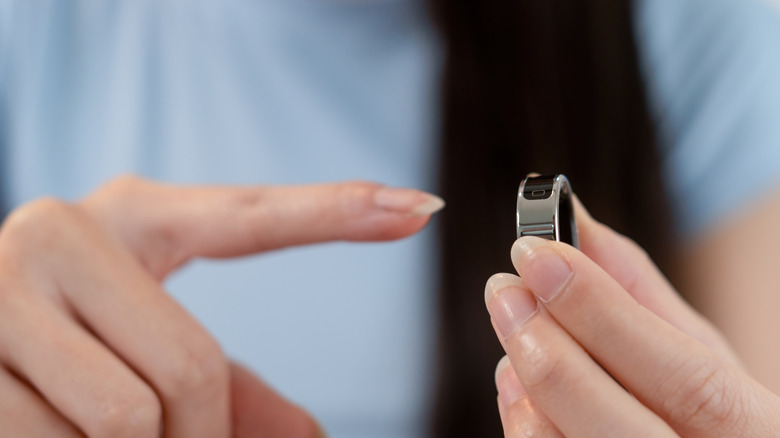
When you buy a smartwatch, the strap is adjustable. When you buy a smart ring, the hardware is static. This is the first hurdle many new users overlook. You cannot simply guess your ring size based on a piece of jewelry you wear to dinner. The internal sensors, which track everything from heart rate variability to blood oxygen saturation, require a snug, flush fit against the skin of your finger to provide accurate readings.
The smart ring sizing kit guide usually recommends the index finger for the highest accuracy, though the middle and ring fingers are also viable. I suggest wearing the plastic sizer for a full 48-hour cycle. Why? Because your body is a dynamic system. Your fingers will swell significantly during the night or after a salty meal. If the ring is too tight, it will become an overnight nuisance; if it is too loose, your biometric data will be riddled with gaps.
With the release of the Oura Ring 4, the brand introduced a recessed sensor design. Unlike the Oura 3, which had three distinct bumps, the 4 is smoother on the inside. This makes the ring feel slightly more spacious and significantly more comfortable for those with sensitive skin. However, this flush design makes the initial sizing process even more critical. Do not skip the kit—treat those 48 hours of testing like a rehearsal for a lifelong wellness habit.
2. The Subscription Reality: Monthly Costs
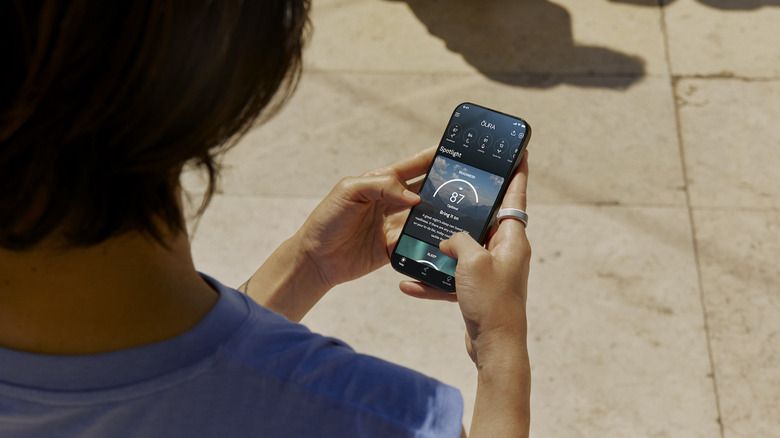
The most frequent question I receive is about the smart ring price. While the upfront cost for an Oura Ring usually starts around $349, that is only part of the financial story. To unlock the full potential of your device, there is a recurring oura ring membership cost of approximately $5.99 per month.
I like to think of this as the "Latte-Price" subscription. For the cost of one coffee a month, you receive a deep analysis of your readiness insights, detailed sleep stage breakdowns, and heart rate monitoring. Without the subscription, the Oura Ring becomes a very expensive, very basic pedometer. You lose access to:
- Detailed heart rate variability (HRV) trends.
- Nightly blood oxygen levels.
- Advanced recovery metrics and stress tracking.
- Integration with apps like Natural Cycles for hormone health.
If you are someone who hates monthly fees, you might look toward a best smart ring no subscription alternative like the various offerings from smaller start-ups or the Samsung Galaxy Ring. However, keep in mind that you are often paying for the software maturity and the massive database Oura has built over a decade. For many, the $6 fee is a worthwhile investment in preventive healthcare, but it must be factored into your long-term budget.
3. Oura vs. Samsung: The Ecosystem Choice
In the current market, the samsung galaxy ring vs oura ring debate is the primary topic for tech-savvy wellness enthusiasts. The decision often comes down to ecosystem lock-in rather than just hardware specs.
The Oura Ring is a democratic device; it offers excellent HealthKit integration for iPhone users and works just as seamlessly with Android. It is the best smart ring for people who don't want their health data tied to a specific phone manufacturer. On the other hand, the smart ring samsung is strictly for the Android crowd, specifically those within the Galaxy family. If you own a Samsung phone and watch, the Galaxy Ring integrates into your existing health dashboard without an extra subscription fee.
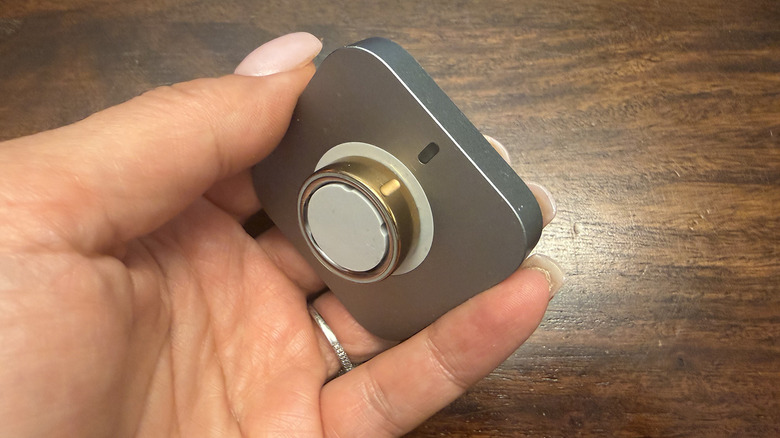
Another subtle but important difference lies in the charging experience. The oura ring 4 charging case is a sleek, stationary brushed-metal puck. It looks beautiful on a nightstand but requires a cable. In contrast, Samsung’s charging case is portable, much like an earbud case, allowing for on-the-go power. If you travel frequently, this might be a deciding factor in your wearable technology journey.
4. Performance Limitations: Gym and High-Intensity Workouts
While the Oura Ring is a master of passive health monitoring, it is not a replacement for a high-intensity sports watch. If your primary goal is tracking split times during a marathon or monitoring your heart rate during a heavy CrossFit session, the ring format has inherent flaws.
Standard rings can be uncomfortable—or even dangerous—when performing barbell movements, pull-ups, or rowing. The friction between the metal ring and a steel bar can lead to scratches on the ring's finish or "ring avulsion" injuries to your finger. Furthermore, during high-motion activities, the sensors may shift, leading to inconsistent heart rate data.
This device shines as a smart ring for sleep tracking and recovery. It is designed to tell you how your body responded to yesterday's stress, not necessarily to pace your 5k today. I often tell my readers to view the Oura as a recovery coach rather than a drill sergeant. It excels at showing how your heart rate variability recovers overnight, providing you with a readiness score that tells you when to push and when to rest.

5. Durability and Finish: Titanium vs. Ceramic
The Oura Ring 4 features a full titanium construction, which is a significant step up in both durability and aesthetics. The outer shell uses a PVD coating (Physical Vapor Deposition) to achieve finishes like Stealth, Gold, and Rose Gold. While titanium is incredibly tough, it is not indestructible. Over months of daily wear—cooking, cleaning, and gardening—micro-scratches will inevitably appear.
However, the real magic of the latest generation is the 18-pathway sensor system. Younger rings often struggle with accuracy depending on skin tone or finger shape. Oura’s new sensor array is designed to find the best signal through your skin regardless of how the ring rotates during the night. This ensures that the biometric data you see in the morning accurately reflects your actual physiological state.
When choosing a finish, consider your lifestyle. The "Stealth" (matte) and "Silver" versions tend to hide daily wear better than the high-polish Gold or Rose Gold. Regardless of the color, the flush interior ensures that you won't have sensor marks on your finger after a long night of sleep, making it one of the most comfortable long-term wellness tools on the market.

Lily’s Tip: If you’re worried about scratching your ring during a workout but still want to track your activity, consider the "Hidden Hack" of syncing your Oura app with an Apple Watch or a Garmin. The Oura app will pull the workout data from your watch and fold it into your total activity and readiness calculations, giving you the best of both worlds.
FAQ
Is there a monthly fee for a smart ring?
For the Oura Ring, yes. There is a monthly membership fee of $5.99 to access detailed health insights. However, other rings like the Samsung Galaxy Ring or the RingConn do not currently require a monthly subscription.
Is a smart ring really worth it?
It is worth it if you prioritize sleep tracking and recovery metrics over active workout coaching. For those who want a screen-free way to monitor their preventive healthcare and long-term wellness trends, it is one of the most effective tools available.
Why are people ditching their Oura rings?
The primary reasons users switch are the recurring subscription cost and the inherent limitations in tracking high-intensity gym workouts. Some users also find that a ring can be uncomfortable during manual labor or heavy weightlifting.
Which smart ring is best?
The answer depends on your phone. For iOS users, the Oura Ring 4 is the best smart ring due to its superior software. For Samsung users who want to avoid monthly fees, the Samsung Galaxy Ring is the top choice.
What are the drawbacks of smart rings?
The main drawbacks include the inability to adjust the size once purchased, potential discomfort during heavy lifting, the lack of a screen for real-time notifications, and the recurring subscription costs for certain brands.
The Oura Ring represents a shift toward a more mindful, less intrusive way of managing our health. By focusing on recovery and readiness rather than just "closing rings," it encourages a more holistic relationship with our bodies. If you can move past the subscription fee and the initial sizing process, it remains a powerful ally in the journey toward long-term wellness.