Imagine a morning ritual that dates back over 5,000 years, yet remains the most sophisticated tool in your modern longevity toolkit. Legend has it that the Chinese Emperor Shennong discovered tea when a stray leaf from a Camellia sinensis plant drifted into his pot of boiling water. Today, as we navigate the high-stress, high-toxin environment of 2026, that accidental discovery has evolved into a scientifically validated "biological shield." For the modern health-conscious individual, green tea isn't just a beverage; it is a complex delivery system for phytonutrients that safeguard your cells, sharpen your intellect, and fortify your heart.
Quick Facts
- Primary Bioactive: Epigallocatechin gallate (EGCG), a potent catechin that neutralizes free radicals.
- Cognitive Synergy: A unique blend of Caffeine and L-theanine provides focus without the "jitters."
- Heart Health: Clinical data shows average reductions of 2.99 mmHg in systolic blood pressure.
- Metabolic Impact: Linked to weight loss variations between 0.44 to 7.7 pounds over 12 weeks.
- Brewing Secret: 175°F is the "goldilocks" temperature for maximum antioxidant preservation.
1. The Molecular Shield: Catechins and Oxidative Stress
At the heart of green tea’s potency is a class of polyphenols known as catechins. While many plants contain antioxidants, green tea is uniquely rich in epigallocatechin gallate (EGCG). Green tea protects the body primarily through high concentrations of these catechins, which neutralize free radicals and reduce systemic oxidative stress. Think of oxidative stress as "biological rust"—the gradual degradation of your cells caused by pollution, processed foods, and metabolic waste. EGCG acts as a high-performance rust inhibitor.
The molecular defense provided by EGCG goes beyond simple neutralization. It influences gene expression and cell signaling pathways that slow down cellular aging. For those managing chronic inflammation, such as in cases of Inflammatory Bowel Disease (IBD), green tea serves as a gentle internal compress, dampening the inflammatory cytokines that ravage the gut lining.
Pro-tip: The Sensory Check-in High-quality green tea should have a vibrant, "living" green hue, not a muddy brown. When tasting, look for "umami"—a savory, brothy quality—followed by a clean, slightly metallic EGCG aftertaste. This astringency is the literal flavor of your cells being protected.
2. The Cognitive Shield: 'Smooth Alertness' for the Modern Brain
If you’ve ever felt the "caffeine crash" after a third cup of coffee, you’ll appreciate the sophisticated architecture of the green tea high. Green tea improves cognitive health through a synergistic combination of caffeine and L-theanine, which enhances long-duration focus and alertness while maintaining a state of calm.
Caffeine blocks adenosine, the neurotransmitter that makes you feel sleepy. Usually, this leads to a spike in adrenaline and potential anxiety. However, L-theanine—an amino acid almost exclusive to tea—crosses the blood-brain barrier to increase alpha-wave activity. This creates what researchers call "relaxed alertness." You aren't just awake; you are focused and composed. Recent longitudinal studies highlight a 64% lower chance of cognitive impairment in middle-aged and older adults who consume green tea regularly, suggesting it acts as a long-term buffer against neurodegenerative decline.

3. The Cardiovascular & Metabolic Guard
The "Shield" metaphor is perhaps most accurate when discussing the heart. Your arteries are lined with a delicate layer of cells called the endothelium. When these cells become dysfunctional, plaque builds up, leading to hypertension and heart disease. Green tea polyphenols improve endothelial function, allowing blood vessels to dilate more effectively.
By the Numbers: Heart & Metabolism
- Blood Pressure: A comprehensive meta-analysis of healthy adults found that green tea consumption results in average reductions of 2.99 mmHg in systolic blood pressure and 0.95 mmHg in diastolic blood pressure.
- Weight Management: In randomized controlled trials, green tea consumption over a 12-week period was associated with weight loss variations ranging from 0.44 to 7.7 pounds compared to control groups.
- Cholesterol: Regular intake is associated with a significant reduction in LDL (the "bad") cholesterol without affecting the beneficial HDL cholesterol.
In terms of metabolism, green tea acts as a "thermogenic tilt." It doesn't replace a workout, but it slightly increases the rate at which your body burns fat for energy—a process known as fat oxidation. This is a gentle metabolic nudge rather than a radical transformation, making it a sustainable tool for long-term weight maintenance.
4. Immune Resilience and Cancer Prevention
Beyond the heart and brain, green tea plays a critical role in "immunomodulation." It doesn't just "boost" the immune system (which can sometimes lead to overactivity and allergies); it tunes it. The polyphenols in green tea promote the proliferation of T-cells and natural killer (NK) cells, the body’s primary defense against viral infections and mutated cells.
Epidemiological evidence has long suggested that green tea-drinking populations have lower rates of certain cancers. While we must be careful not to label it a "cure," the evidence for its protective effects against breast, prostate, and colorectal cancers is compelling. EGCG appears to inhibit the growth of tumor cells and induce apoptosis (programmed cell death) in damaged cells before they can become problematic. Furthermore, green tea acts as a prebiotic, fostering a healthy gut microbiota, which is the foundation of about 70% of your immune system.
5. Practical Mastery: Brewing for Maximum Potency
To treat green tea as medicine, you must treat the brewing process as a lab protocol. Many people dislike green tea because they have been drinking "burnt" tea. Using boiling water (212°F) sears the delicate leaves, releasing bitter tannins and destroying the fragile EGCG molecules.
For maximum antioxidant extraction, research suggests cold steeping green tea for approximately two hours, while hot tea should be steeped at 175°F for 2-3 minutes to balance flavor and health properties.
Brewing Methods Comparison
| Method | Temperature | Steeping Time | Best For | Benefit |
|---|---|---|---|---|
| Hot Brew | 175°F (80°C) | 2–3 Minutes | Morning Ritual | Quick release of L-theanine for immediate focus. |
| Cold Brew | Cold/Room Temp | 2 Hours | Daily Hydration | Maximum EGCG extraction with minimal bitterness. |
| Matcha | 175°F (80°C) | Whisk 1 min | Pre-Workout | Consuming the whole leaf; 10x the antioxidants of brewed tea. |
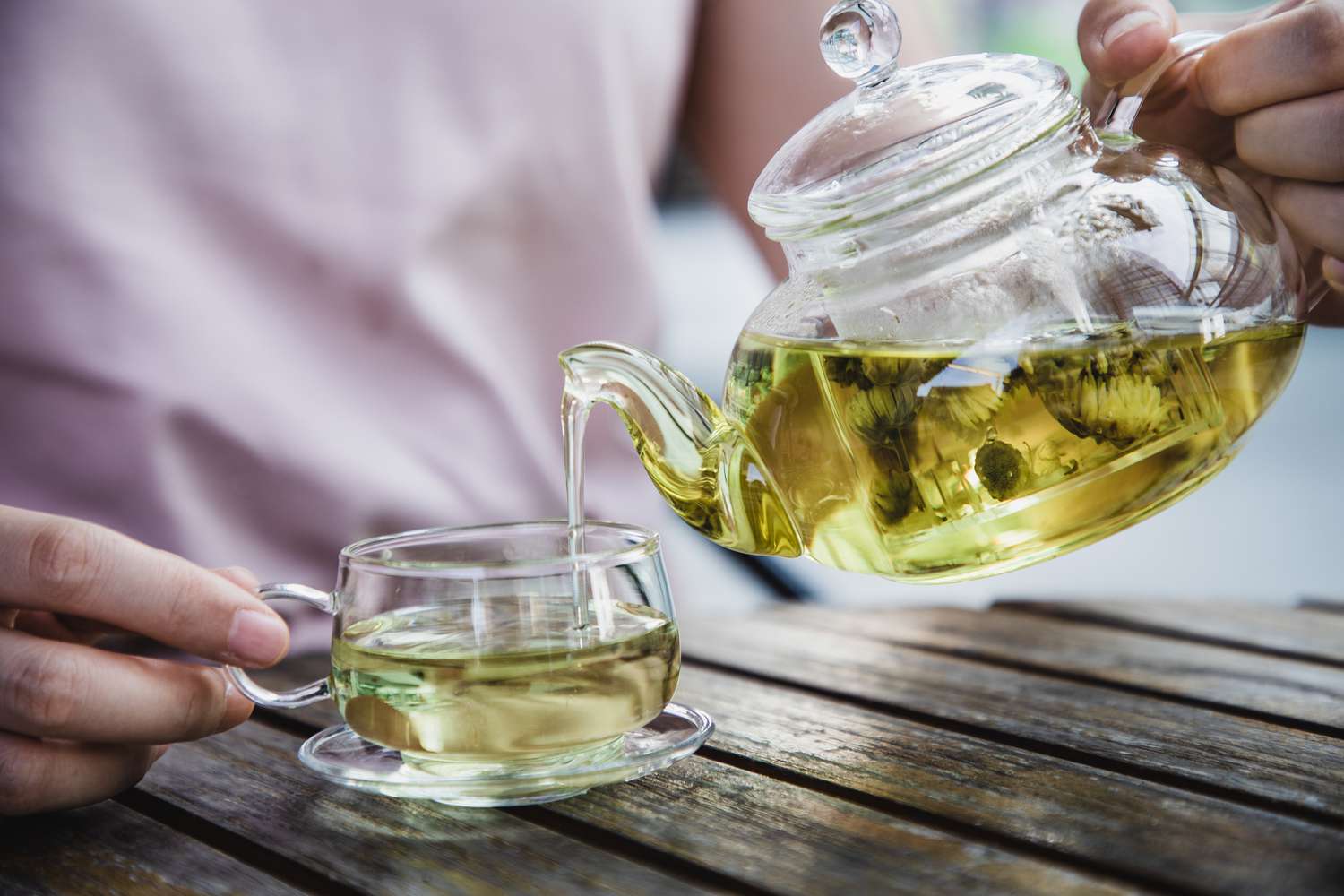
Pro-tip: Format Matters If you choose Dragon Well (Longjing), expect a nutty, toasted-chestnut profile. If you opt for Sencha, be prepared for a grassy, oceanic "spinach-like" brightness. Each variety offers a slightly different polyphenol fingerprint, so rotating your teas is the best strategy for broad-spectrum protection.
Safety and Side Effects: When the Shield Becomes a Burden
Even the best shield can be heavy if used improperly. While green tea is remarkably safe for the general population, there are nuances to consider:
- Caffeine Sensitivity: Though lower than coffee, green tea still contains enough caffeine to cause insomnia or jitters in sensitive individuals. Avoid drinking it after 3:00 p.m. to protect your sleep architecture.
- The Tannin Factor: High concentrations of tannins can irritate the stomach lining if consumed on an empty stomach, potentially leading to acid reflux or nausea.
- Iron Absorption: Green tea can inhibit the absorption of non-heme iron (from plant sources). If you are iron-deficient, wait at least one hour after a meal before enjoying your cup.
- Critical Warning: High-dose green tea extracts (supplements) have been linked to liver toxicity in rare cases. Always opt for the brewed beverage over pills, and consult your doctor if you are on blood pressure or blood-thinning medications.
FAQ
Q: Does adding lemon or milk change the health benefits?
A: Lemon is a fantastic addition! The vitamin C increases the bioavailability of the catechins, helping your body absorb more EGCG. However, avoid adding milk, as the proteins (casein) can bind with the polyphenols and reduce their antioxidant capacity.
Q: Can I get the same benefits from decaf green tea?
A: Decaffeination processes often strip away a significant portion of the antioxidants. If you must go decaf, look for a "CO2-processed" version, which preserves more of the beneficial catechins compared to chemical solvent methods.
Q: How many cups a day is the "therapeutic" dose?
A: Most clinical research suggesting significant heart and metabolic benefits points toward a range of 3 to 5 cups per day.
Start Your Shield Today
Building your health shield doesn't require a radical lifestyle overhaul. It starts with a single, mindful choice. Tomorrow morning, swap your second cup of coffee for a high-quality Sencha or a whisked bowl of Matcha. Pay attention to the water temperature, notice the grassy aroma, and feel the "smooth alertness" settle in. Your cells—and your future self—will thank you.