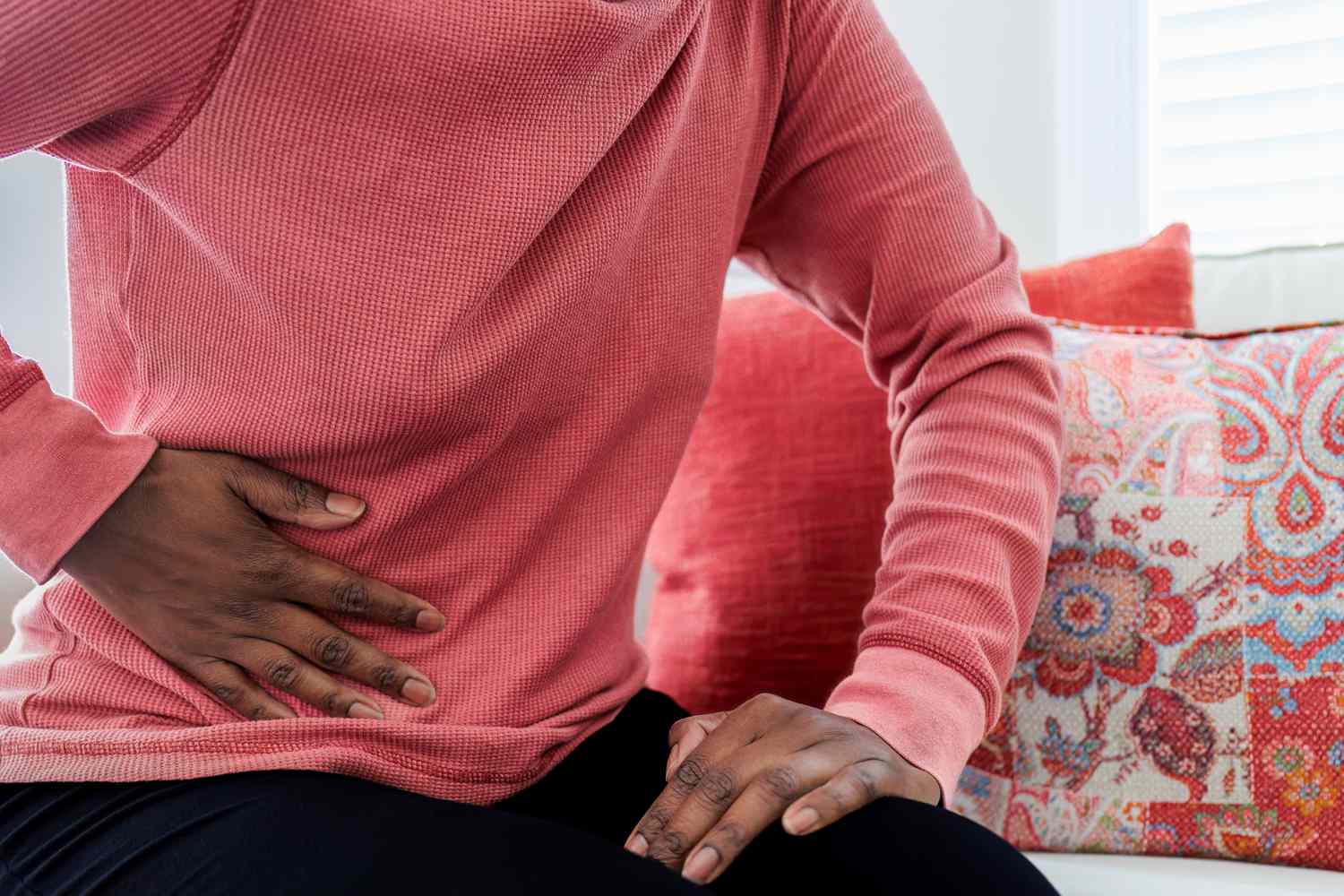
We’ve all been there: the post-lunch "food coma" where the couch feels like a magnetic force, or the post-dinner slump that makes focusing on anything but the television feel impossible. While it is tempting to surrender to the lethargy, this period—known in the medical world as the post-prandial state—is actually the most critical window for your metabolic health.
The spike in blood sugar that follows a meal is a natural physiological response, but when those spikes are frequent and sharp, they can lead to systemic inflammation, insulin resistance, and long-term cardiovascular strain. However, there is a remarkably simple, zero-cost intervention that works better than almost any "hack" on the market: the post-meal walk.
Walking after a meal stimulates muscle contractions that signal the body to pull glucose from the bloodstream for energy, effectively blunting post-prandial blood sugar spikes. To balance blood sugar naturally, research suggests starting a 10-20 minute walk within 15 to 20 minutes after finishing a meal. This timing aligns with the peak of glucose absorption, allowing your muscles to clear the sugar before it can linger and cause oxidative stress. Even consistent post-meal walking can reduce blood glucose levels by up to 30 mg/dL in both healthy individuals and those managing type 2 diabetes.
The Science: Why Your Muscles Are 'Glucose Sponges'
To understand why walking is so effective, we have to look at how our cells process energy. Normally, the body relies on the hormone insulin to act as a "key," unlocking cells so they can accept glucose from the blood. However, when we are sedentary after eating, this process can be slow, leading to high circulating sugar levels.
Movement changes the game through an insulin-independent pathway. When you walk, your large muscle groups—specifically your glutes, hamstrings, and quadriceps—contract. These contractions trigger the migration of GLUT4 transporters to the surface of the muscle cells. Think of these as "glucose sponges" that soak up sugar directly from the blood to fuel your stride, even if your body is struggling with insulin sensitivity.
Furthermore, because these muscles are the largest in the human body, they have a massive capacity for storage and utilization. By engaging them shortly after eating, you are essentially opening a high-volume drain for the sugar entering your system. Studies have shown that a 15-minute walk at a moderate pace after eating burns roughly 50 calories, but its metabolic value far exceeds that caloric burn. It’s not just about "burning off" the meal; it’s about optimizing how your body partitions that energy.
5 Key Health Benefits of the Post-Meal Stroll
While glucose control is the headline act, the holistic benefits of a post-meal stroll ripple through every system in the body.
1. Superior Glycemic Control The primary benefit is the smoothing of the "peaks and valleys" of your blood sugar curve. Sharp spikes followed by "crashes" are what lead to the irritability, brain fog, and intense sugar cravings often experienced two hours after eating. By walking, you maintain a more stable baseline, which protects your blood vessels and reduces the long-term risk of metabolic syndrome.
2. Enhanced Digestive Motility Walking isn't just good for your blood; it's good for your gut. Physical activity stimulates the muscles of the GI tract, a process known as peristalsis. This helps move food and gas through the system more efficiently, which can significantly reduce common complaints like bloating, heaviness, and indigestion.
3. Long-term Weight Management While 50 calories per walk might seem modest, the cumulative effect is profound. Over a year, three 15-minute walks a day (after breakfast, lunch, and dinner) can account for nearly 55,000 extra calories burned. More importantly, by keeping insulin levels lower, you encourage the body to stay in a "fat-burning" state rather than a "fat-storage" state.
4. Metabolic Efficiency and Mitochondria Consistent low-intensity movement like walking helps build more mitochondria—the powerhouses of your cells. The more mitochondria you have, and the healthier they are, the better your body becomes at processing energy even when you are at rest. You are essentially "training" your metabolism to be more flexible.
5. Heart Health and Blood Pressure Post-meal walking has been shown to lower LDL (bad) cholesterol and resting systolic blood pressure. The gentle aerobic demand improves circulation and arterial stiffness, making it a cornerstone of preventive cardiovascular care.

The Golden Window: Timing and Duration for Maximum Impact
If you want to maximize the benefits for your blood sugar, timing is everything. The goal is to catch the glucose "wave" as it enters the bloodstream.
- When to start: Ideally, you should lace up your shoes within 15 to 20 minutes of your last bite. If you wait more than an hour, the peak glucose spike may have already occurred, and while the walk is still healthy, its "blunting" effect on that specific meal is diminished.
- The Power of the 'Micro-Walk': Don't feel discouraged if you don't have 30 minutes. Recent meta-analyses published in journals like Sports Medicine show that even micro-walks as short as two to five minutes significantly reduce insulin and glucose fluctuations compared to standing or sitting.
- Intensity Guidelines: This is not the time for a high-intensity sprint. In fact, intense exercise right after eating can sometimes divert too much blood away from the digestive tract, causing upset. Aim for a "Zone 2" pace: brisk enough that you are breathing a bit harder, but easy enough that you could still hold a comfortable conversation with a friend.
Customized Post-Meal Routines for Every Lifestyle
We often view wellness as something that requires a gym membership or an hour of free time, but the post-meal walk is the ultimate "lifestyle snack." Here is how to fit it into your specific day:
| Duration | Primary Benefit | Best For... |
|---|---|---|
| 2-5 Minutes | Immediate Glucose Blunt | Office workers; "Micro-breaks" during busy days. |
| 10-15 Minutes | Digestion & Glycemic Stability | The standard post-dinner routine for families. |
| 30+ Minutes | Weight Loss & Aerobic Fitness | Weekend mornings or those seeking maximum insulin sensitivity. |
The Office Worker: The 'Block-Around' If you work in a corporate environment, use the 10 minutes after lunch to walk around the block or use the stairs. If you’re in back-to-back meetings, suggest a "walking meeting." Not only does it help your blood sugar, but the movement also boosts creative problem-solving and focus for the afternoon ahead.
The Busy Parent: The 'Digest and Dial' For parents, the post-dinner window is often chaotic. Try to incorporate the children into the walk, or use that 10-minute stroll to catch up on a phone call with a friend or relative. It turns a health chore into a moment of social connection.
The Performance Seeker: The Power-Walk If you are actively trying to improve your metabolic health or lose weight, aim for a consistent 30-minute brisk walk after your largest meal of the day (usually dinner). This provides the most significant boost to insulin sensitivity and ensures a better night's sleep by helping to regulate your circadian rhythm.
Safety First: Precautions for Specific Groups
While walking is one of the safest forms of exercise, certain individuals should take extra care:
- Individuals with Diabetes: If you take insulin or certain oral medications that increase insulin production, be aware of the risk of hypoglycemia (low blood sugar). Always carry a fast-acting glucose source and check your levels pre-walk. Many experts recommend ensuring your blood sugar is at least 100 mg/dL before starting.
- GERD and Acid Reflux: If you suffer from severe reflux, keep your post-meal walk very gentle. Vigorous movement can sometimes worsen symptoms. Keep your chest upright and avoid bending over during your stroll.
- Footwear and Hydration: Even for a short walk, supportive shoes are vital to prevent joint strain. Additionally, drinking water after a meal helps your kidneys flush excess sodium and supports the overall metabolic process.
Lily’s Tip: "Don’t let the 'all-or-nothing' mentality stop you. If you can’t manage 15 minutes, do two. The goal isn't perfection; it's the consistent signal to your body that movement follows nourishment. That signal, repeated over weeks and months, is what builds a resilient metabolism."
FAQ
Does it matter which meal I walk after? While walking after any meal is beneficial, the walk after your largest or most carb-heavy meal (often dinner) usually yields the most significant results for glucose control. Walking after breakfast is also an excellent way to set your metabolic tone and circadian clock for the day.
Can I use a treadmill or a walking pad instead? Absolutely. The physiological mechanism—muscle contraction—remains the same whether you are on a trail, a sidewalk, or a walking pad in your living room. If the weather is poor or safety is a concern, an indoor walking pad is an excellent investment for metabolic health.
What if I truly cannot walk right now? If walking isn't an option, any low-impact movement helps. Gentle stretching, doing a few sets of "calf raises" while sitting at your desk, or even light household chores like doing the dishes or folding laundry provide enough muscle activation to assist with glucose clearance compared to lying on the couch.
Start Your 10-Minute Habit Today Building a healthier lifestyle doesn't require a radical overhaul. It starts with the very next meal. Once you finish eating, set a timer for 15 minutes, put on your shoes, and step outside. Your blood sugar, your energy levels, and your future self will thank you.