Quick Facts
- Project Codename: Project N50
- Production Timeline: Manufacturing is slated to begin in early 2026
- Official Release: Target launch window set for 2027
- Primary Material: High-end acetate frame construction for a premium feel
- Architecture: AI-only wearable focusing on visual intelligence without a built-in display
- Core Function: Sophisticated iPhone accessory utilizing Apple Intelligence and voice-activated Siri commands
- Camera Design: Vertically oriented oval lenses optimized for first-person perspective capture
Apple’s upcoming smart glasses with camera are set to redefine wearable tech. Moving away from the bulky Vision Pro design, the new Project N50 hardware focuses on a sleek, everyday look. The most striking feature is a vertical oval camera design optimized for computational photography and visual intelligence. Utilizing premium acetate instead of standard plastic, the hardware prioritizes high-resolution image capture and seamless integration with Apple Intelligence, ensuring the device functions as a sophisticated extension of the iPhone's existing imaging capabilities.
The Oval Camera: Engineering Behind the Shape
When analyzing the leaked schematics of Project N50, the most discussed hardware element is the vertical oval camera. While typical eyewear favors circular or rectangular accents, Apple has reportedly chosen an oval geometry for several architectural reasons. Primarily, this shape facilitates a vertical camera orientation. In an era dominated by TikTok, Reels, and YouTube Shorts, capturing content in a 9:16 aspect ratio is the priority for the modern creator. By orienting the sensors vertically within an oval housing, Apple allows for a more natural first-person perspective capture that fits the mobile-first consumption habits of current users.
Beyond social media utility, the oval shape serves a functional role in computational photography. Unlike traditional cameras that rely on large glass elements, smart glasses must pack sophisticated sensors into a very slim temple. Apple’s upcoming smart glasses are reportedly designed with vertically oriented oval camera lenses and integrated surrounding lights to signal recording status to bystanders, a move intended to enhance privacy transparency. This integration of privacy indicator LEDs within the oval housing ensures that the technology remains unobtrusive yet socially responsible.
The oval design also provides more internal volume for the camera module's heat dissipation and stabilization components compared to a tight circular cut. By utilizing the vertical space of the frame's hinge area, Apple can implement a wider 122-degree field of view, ensuring that what the user sees is exactly what the camera captures. This level of hardware-software synergy is a hallmark of the iPhone camera pipeline, now miniaturized for the face.
Premium Hardware: Acetate Frames vs. Plastic Competitors
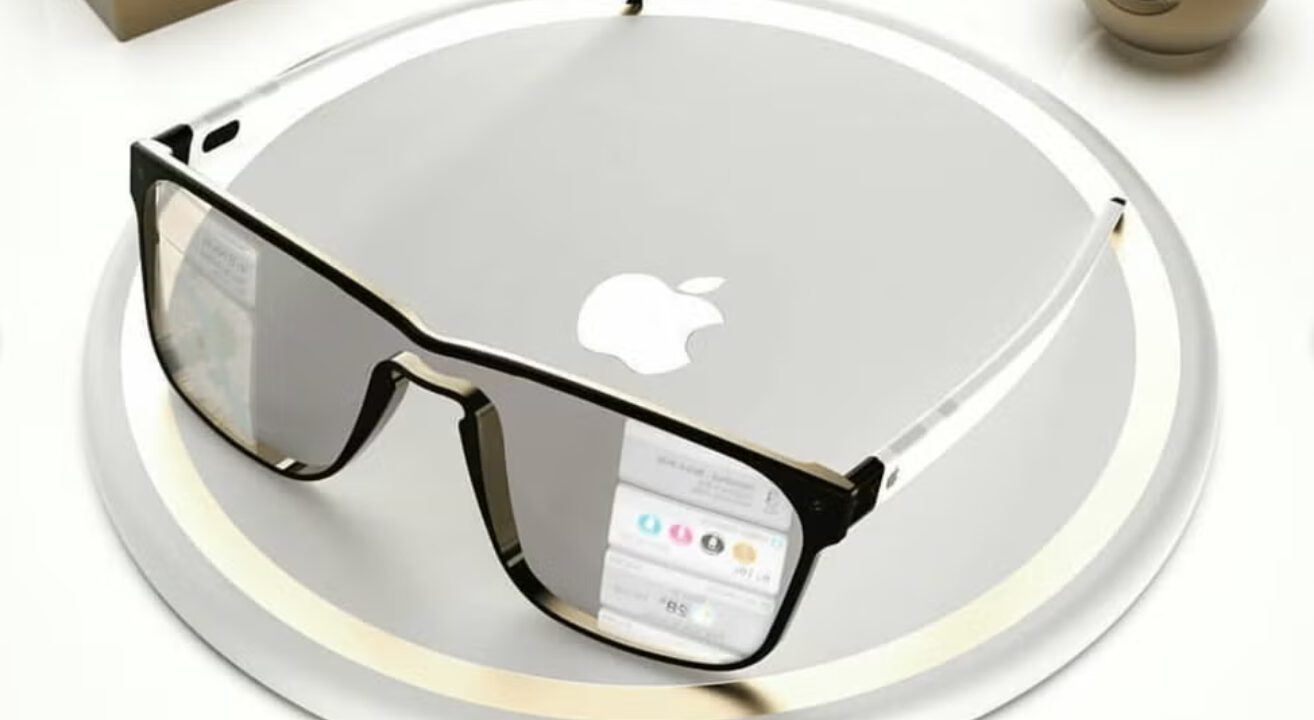
One of the biggest differentiators for upcoming smart glasses with cameras 2027 is the choice of material. While many competitors use standard injection-molded plastics to keep weight down, Apple is leaning into its lifestyle tech accessories positioning by utilizing premium acetate. Acetate frame construction offers a deeper luster, better durability, and a more "organic" feel against the skin, which is essential for a device meant to be worn all day.
Apple is reportedly testing four distinct frame styles for its hardware prototypes, specifically incorporating larger and smaller oval or circular designs alongside rectangular versions to offer a wider variety of aesthetic options than current competitors. This variety suggests that Apple views this device not just as a gadget, but as a genuine fashion piece. Whether a user prefers a classic Wayfarer-inspired look or a more modern circular aesthetic, the goal is to make the technology invisible until it is needed.
This material choice also influences the weight and balance of the glasses. By using high-quality acetate, Apple can hide the internal wiring and battery components more effectively than thin plastic frames would allow. The result is a pair of smart glasses with camera that looks indistinguishable from high-end designer eyewear, catering to professionals and fashion-conscious users who might find the current crop of best smart glasses with camera a bit too "techy" for daily use.
Ecosystem Lock-in: iOS 27 and Apple Intelligence
The Project N50 hardware is not intended to be a standalone computer like the Vision Pro. Instead, it is being developed as a high-end iPhone accessory. This strategic choice allows the glasses to remain lightweight and comfortable because the heavy lifting—the processing, data crunching, and AI model execution—happens on the iPhone in the user's pocket. To use these glasses, experts anticipate a requirement for at least an iPhone 15 Pro or newer, running iOS 27.
The true power of the device lies in Apple Intelligence. By combining the smart glasses with camera and bluetooth with the power of the iPhone, users gain access to real-time contextual awareness technology. Imagine walking through a new city; the oval camera identifies a historical landmark or a menu in a foreign language, and the glasses provide audio feedback via Siri. This visual intelligence allows the user to interact with the world hands-free, making it perhaps the best ai smart glasses without display for those who value battery life over visual overlays.
This ecosystem integration ensures that features like Photos, iCloud, and Find My are baked into the core experience. Unlike third-party wearables that require separate apps and accounts, the Apple smart glasses will feel like a natural extension of the user's digital life. For smart glasses with camera for iphone users, this level of seamlessness is the primary reason to wait for the 2027 release rather than opting for current market leaders.
Competitive Analysis: Apple vs. Meta Ray-Ban
The smart glasses market is currently dominated by the Meta Ray-Ban series, which has proven that there is a massive appetite for camera-equipped frames. In fact, AI-integrated smart glasses accounted for 88% of total global smart glasses shipments in the second half of 2025, underscoring the market shift toward camera-equipped wearables that Apple's new hardware is designed to address.
| Feature | Meta Ray-Ban (2nd Gen) | Apple Smart Glasses (Project N50) |
|---|---|---|
| Material | Lightweight Plastic | Premium In-house Acetate |
| Camera Shape | Circular / Hidden | Vertical Oval |
| Display | None | None (AI-centric) |
| Ecosystem | Meta View App | Deep iOS 27 Integration |
| Privacy Signal | Single LED | Integrated Oval LED Ring |
| Frame Options | Limited Styles | Four Distinct Geometries |
While Meta focuses on lightweight social sharing and quick captures, Apple is positioning its hardware as a premium lifestyle accessory. The lack of a display in both devices is a strategic move to prioritize battery life and wearable comfort. However, Apple's focus on material quality and the depth of its Apple Intelligence platform suggests a higher price point—likely around $499—compared to Meta's more accessible pricing.
The battery life for the Apple prototype is expected to land in the 3-4 hour range of active use, which is comparable to the current best smart glasses with camera. However, by offloading the display components, Apple ensures the glasses remain slim enough for all-day wear without the "face-heavy" feel that plagues current smart glasses with display prototypes.
FAQ
What do smart glasses with camera do?
These devices allow users to take photos, record videos, and interact with artificial intelligence from a first-person perspective. By placing the camera at eye level, they capture life exactly as the user sees it, while also providing voice-activated assistance for navigation, translation, and object identification through systems like Apple Intelligence.
Is it legal to wear camera glasses?
Yes, in most public spaces where there is no expectation of privacy, wearing smart glasses is legal. However, laws vary by region regarding recording. Most manufacturers, including Apple, include privacy indicator LEDs that glow or flash when the camera is active to inform bystanders that a recording is taking place.
Can you tell if someone is wearing smart glasses?
With older models, the "tech" look was obvious. However, Apple's use of acetate frame construction and different style options like Wayfarer or circular designs makes the hardware look like regular high-end eyewear. The main giveaway is usually the small camera lens located in the corner of the frame and the privacy light when active.
Where are smart glasses not allowed?
Generally, smart glasses with camera are restricted in areas where any recording device would be banned. This includes movie theaters, locker rooms, public restrooms, and some high-security government buildings. Some private businesses, like casinos or medical clinics, may also ask users to remove them.
What makes Apple's new $499 glasses so special?
The value lies in the vertical oval camera optimized for modern video and the deep integration with the iPhone ecosystem. Unlike other brands, Apple's glasses will leverage the full power of Apple Intelligence for contextual awareness, wrapped in a premium acetate frame that feels like a luxury accessory rather than a plastic gadget.
The Verdict: To Wait or Not to Wait?
If you are looking for the best smart glasses with camera today, the market has several capable options that focus on social media sharing. However, if you are a dedicated iPhone user, waiting for the upcoming smart glasses with cameras 2027 might be the wiser investment. The combination of premium acetate, the unique vertical oval camera design, and the seamless integration with iOS 27 represents a significant leap forward in wearable technology.
Apple isn't just making a camera you wear on your face; they are creating a new way to interact with the world through visual intelligence. For those who prioritize design, privacy transparency, and the Apple ecosystem, the Project N50 glasses promise to be the definitive accessory of the late 2020s.