Most fitness trackers on the market today are digital leeches. They suck up your personal biometric data, lock it behind a "premium" paywall, and charge you a monthly subscription for the privilege of seeing your own heart rate. It’s a cycle of passive data collection that serves the corporation more than the athlete.
But the industry is shifting. We are moving from a "Pay-to-Track" era to an "Earn-while-you-Train" era.
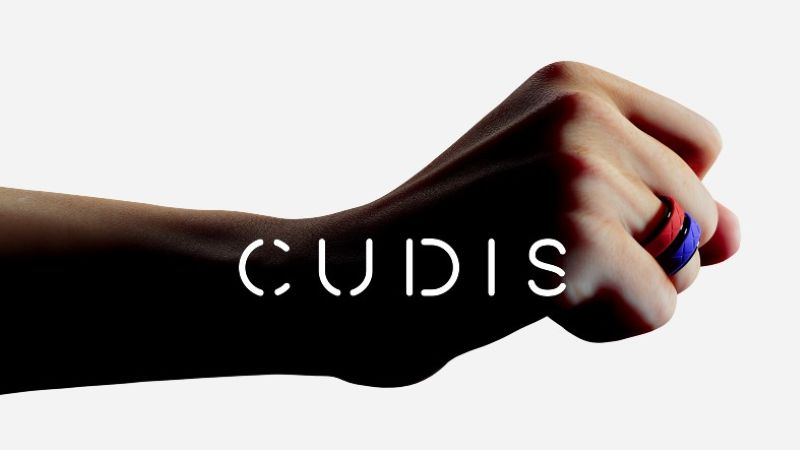
The CUDIS Sporty Ring is the first wearable I’ve tested that treats your health data as an asset rather than a commodity. It is a 3-gram, aerospace-grade titanium wearable that combines advanced biometric tracking with a blockchain-based reward system. By sharing anonymized health data through a DePIN (decentralized physical infrastructure) model, the ring actually pays you for hitting your wellness goals. Best of all? It requires zero monthly subscription fees, offers a massive 10-day battery life, and is built to survive the most grueling high-intensity training sessions.
Design and Durability: Built for the High-Performance Athlete
When you’re deep into a set of heavy deadlifts or halfway through a 10-mile trail run, the last thing you want is a clunky piece of tech digging into your skin. Most smartwatches are intrusive. Most smart rings are too thick. The CUDIS Sporty Ring, however, is engineered for performance.
Constructed from aerospace-grade titanium, the ring weighs exactly 3 grams—literally lighter than a standard paperclip. In my testing, it disappeared on my finger within minutes. But don't let the weight fool you; this is a rugged piece of equipment. With a 5ATM water resistance rating, it’s fully submersible up to 50 meters, making it as viable for a recovery swim as it is for a sweat-drenched CrossFit WOD.
What sets the "Sporty" series apart is versatility. While the core of the ring is high-tech titanium, it comes with 12 interchangeable silicone band options. This isn’t just about aesthetics; it’s about functionality. If you’re hitting the gym, you can swap to a high-grip silicone texture that won't scratch against barbells, then switch back to a sleek metallic finish for a post-workout dinner.
Technical Specifications at a Glance:
- Weight: 3 grams (Ultra-lightweight)
- Material: Aerospace-grade titanium interior with customizable outer bands.
- Water Resistance: 5ATM (Swim-proof and sweat-proof).
- Size Options: Standard ring sizes with a sizing kit included.
- Durability: Scratch-resistant and hypoallergenic.
Biometric Accuracy & AI Coaching: Beyond the Numbers
As a trainer, I tell my athletes that data is useless without context. Knowing your resting heart rate is fine, but knowing why it spiked and how to lower it is where the real progress happens. The CUDIS Ring tracks over 30 sports activities, but its real power lies in its deep-dive biometrics.
By utilizing the high capillary density in your fingers, the ring provides more accurate readings than most wrist-based trackers. It monitors:
- HRV (Heart Rate Variability): The gold standard for measuring recovery and nervous system readiness.
- Blood Oxygen (SpO2): Critical for high-altitude training and monitoring respiratory health.
- Sleep Cycles: Granular breakdowns of REM, Light, and Deep sleep.
CUDIS integrates this data with "Klarity Health," a platform that connects you to licensed specialists and a ChatGPT-powered AI coach. If the ring detects that your HRV is low and your sleep was fragmented, the AI doesn't just give you a red bar; it suggests a specific active recovery protocol or a breathing exercise to get you back on track. It’s like having a digital performance coach on call 24/7.
The DePIN Model: Crypto Meets Cardio
This is the "X-factor" that makes CUDIS a category-killer. Most wearables collect your data and sell it to third parties; you never see a dime. CUDIS utilizes a DePIN (Decentralized Physical Infrastructure) model built on the Solana blockchain to flip the script.
When you wear the ring and sync your data, you are contributing to a decentralized network of health information. This data is anonymized and encrypted, ensuring your privacy. In return for this contribution, you earn "CUDIS Points" and cryptocurrency rewards.
Think of it as "Mining with your Pulse." By completing daily "Health Quests"—such as hitting 10,000 steps, maintaining a consistent sleep schedule, or completing a workout—you unlock rewards. Depending on the market adoption of the token and your level of activity, the shared health data has a projected potential value of up to $5,000 annually. For the proactive "health investor," this means the ring doesn't just pay for itself; it becomes a revenue stream for your fitness lifestyle.
Battery Life & Performance vs. Competitors
In the world of wearables, battery life is the ultimate bottleneck. If your tracker is sitting on a charger, it isn't tracking your recovery. Most premium smartwatches struggle to hit the 48-hour mark. Even the leading smart rings usually tap out after 5 or 6 days.
The CUDIS Sporty Ring features a 10-day battery life. That is 5x longer than most smartwatches. During my two-week testing period, I only had to charge it once. This longevity is crucial for long-term data consistency, especially for sleep tracking, where many users forget to put their device back on after a morning charge.
Furthermore, CUDIS eliminates the "subscription fatigue" that has soured many users on the Oura Ring. While Oura charges roughly $69.99 per year just to access your own data, CUDIS is a one-time investment. You own the hardware, and you own the data.
Comparison: How CUDIS Stacks Up
| Feature | CUDIS Sporty Ring | Oura Ring 4 | Samsung Galaxy Ring |
|---|---|---|---|
| Material | Aerospace Titanium | Titanium | Titanium |
| Weight | 3g | 4-6g | 2.3-3g |
| Battery Life | Up to 10 Days | Up to 8 Days | Up to 7 Days |
| Monthly Fee | $0 (No Subscription) | $5.99/month | $0 |
| Reward System | Yes (Crypto/DePIN) | No | No |
| Price | $399 | $349 + Sub | $399 |
The data is clear. While the upfront cost of the CUDIS is comparable to the Samsung Galaxy Ring, the addition of the crypto-earning model and the superior battery life gives it a massive edge for anyone who views fitness through a "results-driven" lens.
Final Verdict: Is the CUDIS Sporty Ring Worth It?
If you are a passive user who just wants to see a step count once a week, this might be overkill. But if you are a fitness enthusiast, a tech-native athlete, or someone who is tired of being "productized" by big tech, the CUDIS Sporty Ring is a game-changer.
Pros:
- Extreme Portability: At 3 grams, it's the most comfortable high-performance wearable I’ve used.
- Monetization: The DePIN model allows you to earn while you burn. The $5,000 annual potential value is a massive incentive.
- No Hidden Fees: You buy it once, and it’s yours. No monthly "tax" on your health data.
- Elite Battery: 10 days of juice means you can focus on your training, not your charging cable.
Cons:
- Upfront Cost: At $399, it is a premium investment.
- Crypto Volatility: The value of your rewards is tied to the blockchain market, which can fluctuate.
Ideal for: Fitness-focused individuals who want to monetize their lifestyle, crypto-native users looking for real-world utility, and athletes who demand a "set-it-and-forget-it" battery experience.
The CUDIS Sporty Ring represents the future of the Quantified Self. It stops treating you like a data source and starts treating you like a partner. If you’re ready to break the cycle of subscriptions and start earning from your effort, this is the ring to get.
FAQ
1. How do I actually receive my crypto rewards? The CUDIS Ring syncs with a dedicated app on the Solana blockchain. As you reach your daily health milestones and share anonymized data, you accumulate CUDIS Points within the app, which can then be converted into tokens or used within the CUDIS ecosystem for various rewards.
2. Is my health data private if it’s on a blockchain? Yes. The DePIN model uses decentralized encryption. Your data is stripped of personally identifiable information (PII) before it is shared. You retain ownership of your data, and you are the only one who can authorize its use in the rewards pool.
3. Does the ring work with both iOS and Android? Absolutely. The CUDIS app is designed for cross-platform compatibility, ensuring that regardless of your device, you get the full suite of AI coaching and biometric analysis.